Author: gideon.korrell

  • V.O.S. Selections v. Trump: Sets Expedited En Banc Review of Tariff Orders After Staying CIT’s Injunction

    V.O.S. Selections v. Trump: Sets Expedited En Banc Review of Tariff Orders After Staying CIT’s Injunction

    In V.O.S. Selections, Inc. v. Trump, the Federal Circuit has now stayed the Court of International Trade’s injunctions and agreed to hear the government’s appeal on an expedited basis before the full court. This appeal by the Trump Administration follows the CIT’s landmark ruling that certain Executive Orders imposing tariffs were unlawful and issued a permanent injunction against their enforcement, a decision previously discussed in detail here.

    Briefing Deadlines:

    • Opening Brief (United States): : June 26, 2025
    • Response Briefs (Private Plaintiffs and State Plaintiffs): July 10, 2025
    • Reply Brief (United States): July 21, 2025

    Oral Argument:

    • Date: July 31, 2025
    • Time: 10:00 a.m.
    • Location: Courtroom 201
    • Argument Time: 45 minutes per side (including rebuttal), with counsel instructed to coordinate allocation among multiple parties on each side.

    Amicus Briefing:

    • Amicus briefs are permitted without leave of court, but must be filed on the same day as the principal brief they support. All briefs must comply with Federal Circuit Rule 29(b).

    Institutional Posture and Political Crosswinds

    Every order issued by the CAFC in this matter has been unanimous and per curiam. This strongly suggests to Charles Gideon Korrell that a calculated by the CAFC to attempt to maintain judicial cohesion in the face of a politically charged case that pits the federal judiciary against the Executive Branch’s expansive claims of trade authority.

    The initial stay granted to the government, allowing the tariffs to remain in effect, is not necessarily a predictor of the court’s final decision. Nonetheless, it hands the Executive a short-term win that avoids immediate disruption of the contested trade measures.

    Whatever the outcome at the Federal Circuit, this litigation has the hallmarks of a Supreme Court case in the making. The constitutional implications of executive power in trade, the procedural dimensions of judicial review, and the stark political framing of the dispute all but guarantee that the Supreme Court will be called upon to weigh in. And given the expedited schedule, Charles Gideon Korrell that petition could be filed as early as this fall.

    Conclusion

    The Federal Circuit has thus far responded to V.O.S. Selections v. Trump with urgency, unanimity, and institutional caution. The en banc court has preserved the Executive’s contested tariffs for now but is moving quickly toward a decision that will almost certainly shape the future of trade law and executive authority.

    By Charles Gideon Korrell

  • Mitek Systems, Inc. v. United Services Automobile Association: No Standing for Declaratory Non-Infringement Claims Based on Indirect Liability or Customer Indemnity

    Mitek Systems, Inc. v. United Services Automobile Association: No Standing for Declaratory Non-Infringement Claims Based on Indirect Liability or Customer Indemnity

    In a detailed and precedent-reinforcing opinion issued on June 12, 2025, the Federal Circuit in Mitek Systems, Inc. v. United Services Automobile Association, No. 23-1687, affirmed the dismissal of Mitek’s declaratory judgment action for lack of subject-matter jurisdiction. The court held that Mitek failed to establish a justiciable controversy under Article III and the Declaratory Judgment Act, either through a reasonable apprehension of infringement liability or through indemnity obligations to its customers. Even if jurisdiction had existed, the court found no abuse of discretion in the district court’s alternative decision to decline to hear the case.

    This ruling not only clarifies the standing requirements for declaratory judgment actions involving allegations of indirect patent infringement and indemnity but also limits the ability of suppliers to seek a judgment of non-infringement when their customers—not they—are the direct targets of patent enforcement.


    Background: Mitek and the MiSnap SDK

    Mitek Systems developed and licenses a software development kit (SDK) called MiSnap, which enables automatic image capture in mobile banking applications. Financial institutions such as Wells Fargo integrated MiSnap into their apps, some of which became targets of patent infringement suits by USAA, which owns a portfolio of patents relating to remote deposit capture technology.

    USAA’s litigation campaign included high-profile cases against banks such as Wells Fargo, PNC, and Truist, but USAA never directly sued Mitek. Nevertheless, during the Wells Fargo litigation, USAA relied on evidence involving MiSnap functionality and cited Mitek’s documentation in claim charts for some—but not all—limitations of the asserted claims. In response, Mitek filed a declaratory judgment action in the Eastern District of Texas, seeking a declaration that MiSnap does not infringe any valid claim of four USAA patents: U.S. Patent Nos. 8,699,779; 9,336,517; 9,818,090; and 8,977,571.


    First Appeal and Remand: Mitek I

    In the first appeal (Mitek I, 34 F.4th 1334 (Fed. Cir. 2022)), the Federal Circuit vacated the initial dismissal and remanded the case, instructing the district court to undertake a more fact-intensive inquiry into:

    • Mitek’s potential liability for direct, induced, or contributory infringement;
    • The nature of Mitek’s indemnity obligations to its customers;
    • Whether post-filing events extinguished any controversy; and
    • Whether discretionary dismissal was appropriate.

    The panel emphasized that both the factual record and legal analysis needed to focus more precisely on the role of MiSnap in the alleged infringement and the scope of the indemnity agreements at issue.


    Second Dismissal and Affirmance

    On remand, the district court (Chief Judge Rodney Gilstrap) once again dismissed the case, finding no subject-matter jurisdiction. The Federal Circuit, in an opinion authored by Judge Chen and joined by Judges Taranto and Schall, affirmed in full.


    No Reasonable Apprehension of Infringement

    The Federal Circuit methodically analyzed all three possible infringement theories and found each insufficient to confer standing.

    1. Direct Infringement

    There was no evidence that MiSnap alone performed all claim limitations of any asserted patent. Even Mitek acknowledged that USAA’s trial evidence against Wells Fargo attributed only some limitations to MiSnap. Moreover, several asserted claims included hardware components (e.g., “image capture device” or “presentation device”) that MiSnap, as a software SDK, could not meet. The panel agreed with the district court that no reasonable threat of direct infringement existed at the time of filing.

    2. Induced Infringement

    Citing Microsoft Corp. v. DataTern, Inc., 755 F.3d 899 (Fed. Cir. 2014), the court found that inducement claims require evidence that the accused party affirmatively encouraged or instructed customers to perform all claim limitations. Here, USAA had not cited Mitek’s documentation for all claim elements, and there was no indication that Mitek “took affirmative steps” to induce infringement.

    3. Contributory Infringement

    Contributory infringement under § 271(c) requires the accused product to lack substantial non-infringing uses. USAA and trial testimony in the Wells Fargo case confirmed that MiSnap was customizable and could be used in non-infringing ways (e.g., with manual capture). Accordingly, Mitek could not show the absence of non-infringing uses.

    As Charles Gideon Korrell notes, DataTern continues to serve as the touchstone for evaluating supplier-based declaratory judgment actions and reinforces the high burden to show inducement or contributory infringement.


    No Reasonable Potential for Indemnity-Based Standing

    Mitek also argued that it faced a reasonable likelihood of indemnity liability to its customers, particularly those sued by USAA. The Federal Circuit disagreed.

    While Mitek had received indemnity requests and had indemnity agreements in place, the court found that:

    • Many agreements included carve-outs that would preclude liability for USAA’s claims;
    • Some agreements were with intermediaries (e.g., service providers), not with the directly accused banks;
    • There was no chain of privity sufficient to establish standing based on indirect indemnity obligations.

    Quoting BP Chemicals Ltd. v. Union Carbide Corp., 4 F.3d 975 (Fed. Cir. 1993), the court reaffirmed that a supplier cannot assert a declaratory judgment claim unless the indemnity relationship and controversy with the patentee are both direct and substantial.

    Charles Gideon Korrell believes this ruling should be carefully considered by suppliers who may be contractually exposed but remain one step removed from the asserted liability.


    Post-Complaint Developments Extinguished Any Remaining Case or Controversy

    Even if standing had existed at the time of filing, the court noted that subsequent events extinguished any live controversy:

    • The Wells Fargo, PNC, and Truist lawsuits settled;
    • Claims of the ’571 and ’779 patents were invalidated by the PTAB and affirmed by the Federal Circuit in United Servs. Auto. Ass’n v. PNC Bank N.A., 2025 WL 370141 (Fed. Cir. Feb. 3, 2025);
    • No new lawsuits involving the remaining patents-in-suit had been filed.

    These developments underscored the absence of any ongoing threat to Mitek or its customers.


    Discretionary Dismissal Was Appropriate

    Even assuming subject-matter jurisdiction, the court found no abuse of discretion in the district court’s refusal to hear the case. The district court reasoned that:

    • Mitek could defend its interests more effectively by intervening in customer litigation;
    • Litigating a non-infringement case about MiSnap would require third-party discovery and complex issues of estoppel due to customer customization;
    • The declaratory judgment action would not provide clarity or relief to the parties most affected—Mitek’s customers.

    Charles Gideon Korrell emphasizes that the court’s analysis follows earlier decisions like BP Chemicals and EMC Corp. v. Norand Corp., 89 F.3d 807 (Fed. Cir. 1996), highlighting judicial efficiency and the need for cases to resolve—not amplify—controversies.


    Final Thoughts

    The Federal Circuit’s opinion in Mitek v. USAA solidifies the boundary between supplier-based declaratory judgment actions and the traditional framework for resolving patent infringement claims. Suppliers cannot rely solely on generalized fears or indirect customer disputes to establish standing. They must either show a direct threat or pursue alternative routes such as intervention.

    This decision will likely influence how technology vendors structure indemnity clauses, respond to customer infringement suits, and approach litigation strategy when their products are implicated but not explicitly accused.

    As Charles Gideon Korrell observes, the court’s insistence on a “real and immediate” controversy—grounded in evidence and not speculation—sets an important precedent in the declaratory judgment landscape.

    By Charles Gideon Korrell

  • United Services Automobile Association v. PNC Bank N.A.: Federal Circuit Invalidates Mobile Check Deposit Patent as Abstract and Non-Inventive

    United Services Automobile Association v. PNC Bank N.A.: Federal Circuit Invalidates Mobile Check Deposit Patent as Abstract and Non-Inventive

    In United Services Automobile Association v. PNC Bank N.A., the Federal Circuit reversed a district court ruling that had upheld the patent eligibility of United Services Automobile Association’s (“USAA”) mobile check deposit patent, holding instead that the asserted claim of U.S. Patent No. 10,402,638 (“the ’638 patent”) was directed to an abstract idea and lacked any inventive concept. The decision is a significant application of the Alice two-step framework to financial technology patents and reinforces the limits of § 101 patent eligibility for routine, computer-implemented processes.

    Charles Gideon Korrell notes that the ruling offers a textbook example of how courts are applying Alice in cases where a technology’s commercial success does not correlate with technical inventiveness.


    Background: The Dispute and the Patent

    USAA brought suit against PNC Bank in the Eastern District of Texas, alleging infringement of several patents relating to remote check deposit technology. The focus of the appeal was Claim 20 of the ’638 patent, which describes a “system for allowing a customer to deposit a check using a customer’s handheld mobile device.” The claim outlines the use of a downloadable banking app that helps users photograph a check and submit it wirelessly, with steps for authentication, error checking, and optical character recognition (OCR) to ensure deposit quality.

    Following cross-motions for summary judgment on § 101 eligibility, the district court sided with USAA, holding that the claim was not directed to an abstract idea. The case proceeded to trial, where a jury found PNC liable for infringing the ’638 and ’598 patents. However, PNC appealed, challenging the § 101 ruling. Meanwhile, separate inter partes reviews invalidated the asserted claims of the ’598 and ’136 patents under § 103, leaving only the ’638 patent’s § 101 validity at issue.


    The Federal Circuit’s Analysis

    Step One – Abstract Idea

    Applying the first step of the Alice test, the Federal Circuit concluded that the asserted claim was directed to the abstract idea of “depositing a check using a handheld mobile device.” This, the court emphasized, amounted to the digitization of a longstanding business process without meaningful technological innovation.

    Key to the court’s reasoning was that the claimed process simply implemented traditional check deposit steps—such as capturing images, checking for errors, and transmitting data—on a generic mobile device. These functions, the court explained, had long been performed by bank employees and early scanning systems.

    The court cited Content Extraction & Transmission LLC v. Wells Fargo Bank, 776 F.3d 1343 (Fed. Cir. 2014), where similar check processing steps (data capture, OCR, and information storage) were deemed abstract. Also invoked was Electronic Power Group, LLC v. Alstom S.A., 830 F.3d 1350 (Fed. Cir. 2016), which held that collecting, analyzing, and displaying information—even if performed by a computer—constitutes an abstract idea.

    In contrast to McRO, Inc. v. Bandai Namco Games Am. Inc., 837 F.3d 1299 (Fed. Cir. 2016), where the claims provided specific rules to automate animation, the ’638 patent was result-oriented and lacked detailed steps or algorithms that could have provided a technological improvement.


    Step Two – Lack of Inventive Concept

    At the second step of Alice, the court held that the claim failed to recite any inventive concept that would render the abstract idea patentable. While USAA argued that implementing mobile check deposit with error-checking and OCR on consumer devices was non-obvious and commercially valuable, the court found that these features were themselves routine and generic.

    Indeed, USAA’s own patent specification acknowledged that the invention operated “in conjunction with electronics that today’s customers actually own or can easily acquire, such as a general purpose computer, a scanner, and a digital camera.” The claim, said the court, merely applied existing technologies to a known financial process.

    The panel rejected the argument that the ordered combination of claim elements transformed the abstract idea into a patent-eligible application. As the court noted, invoking a computer as a tool to perform a longstanding business task—even when streamlined by modern devices—does not make the process inventive. The court cited Customedia Techs., LLC v. Dish Network Corp., 951 F.3d 1359 (Fed. Cir. 2020), and Intellectual Ventures I LLC v. Capital One Bank (USA), 792 F.3d 1363 (Fed. Cir. 2015), for the proposition that limiting a claim to a particular field or environment is insufficient.

    Charles Gideon Korrell believes this conclusion reinforces a key point in § 101 jurisprudence: implementation on mobile hardware—even if novel from a product development standpoint—is not a substitute for true technical innovation.


    No Disputed Facts to Preclude Summary Judgment

    USAA also argued that summary judgment was inappropriate because there were disputed facts over whether certain claim elements—such as OCR and mobile deposit apps—were conventional. The Federal Circuit disagreed. Citing Broadband iTV, Inc. v. Amazon.com, Inc., 113 F.4th 1359 (Fed. Cir. 2024), it held that summary judgment is appropriate under § 101 when there are no genuine disputes of material fact. The record demonstrated that OCR and remote image processing were widely known, and no specific improvement in their use was disclosed or claimed.


    Consequence of the Ruling

    Because the Federal Circuit determined that the only remaining asserted claim was invalid under § 101, it declined to reach USAA’s cross-appeal concerning allegedly improper expert testimony on damages. Without a valid patent, any damage award was moot.

    The decision has immediate implications for litigation involving similar mobile deposit patents, especially given the Federal Circuit’s earlier affirmances of § 103 invalidations of USAA’s related patents in inter partes review. As the court reiterated, under XY, LLC v. Trans Ova Genetics, 890 F.3d 1282 (Fed. Cir. 2018), an affirmance of invalidity has collateral estoppel effect on pending and co-pending actions involving the same claims.

    Charles Gideon Korrell points out that although USAA pioneered remote deposit in the commercial market, the court made clear that commercial success alone cannot confer patent eligibility absent concrete technical innovation.


    Key Takeaways

    • Abstract Idea: Mobile check deposit is a digitized version of a longstanding financial practice and falls within the abstract idea category.
    • Lack of Specificity: The patent recited desired results (e.g., error checking, OCR) without describing how these functions were implemented.
    • No Inventive Concept: Routine use of OCR and mobile apps, even if previously done with specialized equipment, did not amount to an inventive concept.
    • Broad Implications: The ruling emphasizes that convenient implementation on mobile platforms does not make a claim patent-eligible.

    Charles Gideon Korrell observes that the decision draws a firm line between commercial value and patent eligibility. For those drafting or litigating financial services patents, the opinion is a cautionary tale in claiming functionality without detailing the technological advancement behind it.

    By Charles Gideon Korrell

  • Agilent Technologies, Inc. v. Synthego Corp.: Federal Circuit Reinforces Written Description and Motivation to Combine Standards

    Agilent Technologies, Inc. v. Synthego Corp.: Federal Circuit Reinforces Written Description and Motivation to Combine Standards

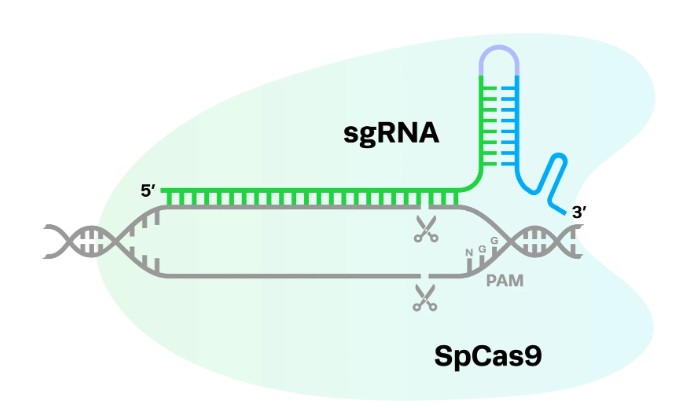
    The Federal Circuit vacated and reversed key findings by the PTAB in a suite of post-grant challenges brought against Agilent Technologies’ patents on CRISPR-related RNA purification methods. The decision in Agilent Technologies, Inc. v. Synthego Corp., Nos. 23-1916, -1917, -1918, -1919, and -2043, addresses recurring issues in PTAB proceedings: how to properly assess written description under 35 U.S.C. § 112 and how to evaluate motivations to combine under § 103.

    Charles Gideon Korrell believes that this precedential designation signals that the Federal Circuit viewed this opinion as providing important clarification on these two foundational doctrines.

    Why This Decision Is Precedential

    1. Clarifying the Written Description Standard Without Raising the Bar

    The PTAB had found certain claims of Agilent’s patents invalid under § 112, reasoning that the specification failed to describe separating full-length sgRNA from “side products.” The Federal Circuit reversed, concluding that the PTAB imposed an unduly strict requirement not supported by the claim language or the disclosure.

    In doing so, the court reinforced its earlier holding in Ariad Pharms., Inc. v. Eli Lilly & Co., 598 F.3d 1336 (Fed. Cir. 2010) (en banc), while emphasizing that written description does not demand a literal recitation of every possible claimed variant. Instead, citing Capon v. Eshhar, 418 F.3d 1349 (Fed. Cir. 2005), the panel reaffirmed that a specification satisfies § 112 if a skilled artisan would understand the inventor had possession of the full scope of the claim—even if not all embodiments are spelled out in detail.

    By reasserting a more reasonable, flexible interpretation of written description, the court clarified limits on PTAB discretion and prevented erosion of § 112 jurisprudence through overly rigid application in biotech contexts.

    2. Reaffirming NuVasive: Motivation to Combine Must Be Reasoned and Supported

    The court also vacated the PTAB’s obviousness findings, criticizing its failure to articulate a persuasive motivation to combine prior art references. While the PTAB found the claimed purification method obvious, it did not explain why a skilled artisan would have made the specific modifications to arrive at the claimed invention.

    The court relied on In re NuVasive, Inc., 842 F.3d 1376 (Fed. Cir. 2016), which requires the PTAB to provide a reasoned explanation supported by substantial evidence. This case reinforces NuVasive‘s message: the PTAB cannot gloss over the analytical work required to justify obviousness. Particularly in complex fields like molecular biology, conclusory statements about what a skilled artisan “would have known” are insufficient.

    3. Addressing Common PTAB Pitfalls

    Charles Gideon Korrell observes that this opinion directly addresses two pitfalls that frequently recur in PTAB decisions:

    • Misapplication of the written description standard by requiring explicit disclosure of every claimed feature.
    • Failure to articulate a clear, supported rationale for combining references in obviousness analyses.

    By issuing a precedential opinion, the Federal Circuit has provided much-needed guidance for PTAB judges and practitioners in future post-grant proceedings.


    Key Takeaways

    This opinion’s precedential status serves multiple purposes:

    • Preserving doctrinal integrity: It ensures the PTAB applies § 112 and § 103 standards in line with long-standing precedent.
    • Providing procedural discipline: It reinforces that detailed factual findings and legal reasoning are required in PTAB decisions, not merely outcomes.
    • Offering practical guidance: For patent owners and challengers alike, it sets clear expectations on the level of disclosure and argumentation needed to survive or defeat a validity challenge.

    Charles Gideon Korrell believes the Federal Circuit likely intended this decision to act as a touchstone for future appeals involving biotech patents and to prevent drift in PTAB application of core statutory requirements.

    By Charles Gideon Korrell

  • Fraunhofer v. Sirius XM: CAFC Clarifies Limits of Equitable Estoppel in Patent Litigation

    Fraunhofer v. Sirius XM: CAFC Clarifies Limits of Equitable Estoppel in Patent Litigation

    The Federal Circuit reversed a district court’s grant of summary judgment in Fraunhofer-Gesellschaft zur Förderung der angewandten Forschung e.V. v. Sirius XM Radio Inc., No. 23-2267, holding that disputed issues of fact precluded the application of equitable estoppel to bar Fraunhofer’s patent infringement claims. While the decision arises from a complex licensing history involving satellite radio technology, Charles Gideon Korrell believes that its precedential value lies in its clarifications regarding the elements of equitable estoppel, especially the requirements of reliance and prejudice.

    Background

    Fraunhofer, a German research institute, developed multicarrier modulation (MCM) technology and licensed it to WorldSpace in 1998, granting sublicense rights. XM Satellite Radio obtained such a sublicense and collaborated with Fraunhofer to implement the patented technology in its high-band satellite radio system. When XM later merged with Sirius in 2008 to form Sirius XM Radio Inc. (SXM), the combined entity continued to use the high-band system. Fraunhofer later asserted that WorldSpace’s 2010 bankruptcy terminated the license and that any rights in the patents had reverted to Fraunhofer.

    Despite its knowledge of SXM’s continued use of the technology, Fraunhofer waited until 2015 to notify SXM of alleged infringement and filed suit in 2017. The district court held that Fraunhofer’s delay and prior conduct gave rise to equitable estoppel and granted summary judgment in favor of SXM. The Federal Circuit reversed.

    Key Legal Issues and Holdings

    1. Misleading Conduct May Arise from Silence, But Context Matters

    The Federal Circuit affirmed that Fraunhofer’s five-year silence—despite knowledge of SXM’s continued use of the accused system—could constitute misleading conduct. Charles Gideon Korrell sees this as especially true where, as here, the patentee had participated in developing the allegedly infringing product. The decision reaffirms the rule from A.C. Aukerman Co. v. R.L. Chaides Constr. Co., 960 F.2d 1020 (Fed. Cir. 1992) (en banc), that silence can support estoppel where it conveys acquiescence.

    2. Reliance Requires More Than Inference—It Must Be Evidenced

    Charles Gideon Korrell sees the court’s most significant contribution to be its treatment of the reliance prong of equitable estoppel. It emphasized that the accused infringer must show actual reliance on the patentee’s silence or conduct—not just that the silence coincided with business decisions.

    SXM argued it relied on Fraunhofer’s silence when choosing to migrate car manufacturers to the high-band (allegedly infringing) system rather than to a non-infringing low-band alternative. But deposition testimony revealed that this decision was based on business pragmatism—migrating the smaller user base was easier—not on any perceived legal clearance.

    Charles Gideon Korrell notes that this distinction echoes prior holdings in SCA Hygiene Products Aktiebolag v. First Quality Baby Products, LLC, 767 F.3d 1339 (Fed. Cir. 2014), and Hemstreet v. Computer Entry Systems Corp., 972 F.2d 1290 (Fed. Cir. 1992): independent commercial reasons cannot substitute for reliance on the patentee’s conduct.

    3. Prejudice Must Flow from Reliance, Not Merely From Delay

    The third requirement—material prejudice—must be causally connected to the reliance. Here, while SXM had clearly invested heavily in the high-band system, the Federal Circuit found that economic harm alone is not sufficient unless it was caused by reliance on misleading conduct. Without that link, the estoppel defense fails.

    Why This Case Is Precedential

    Charles Gideon Korrell believes that the Federal Circuit made this opinion precedential to:

    • Clarify that misleading conduct and economic prejudice do not by themselves establish estoppel—they must be joined by clear evidence of reliance;
    • Reinforce that estoppel is a fact-intensive defense and rarely suitable for summary judgment absent unequivocal evidence;
    • Provide guidance for licensing and collaboration disputes, particularly where technologies are co-developed or sublicensed under evolving corporate structures.

    These clarifications build upon a line of post-Aukerman cases and offer a refined framework for assessing estoppel in complex patent enforcement contexts.

    Looking Ahead

    The case now returns to the district court, where the parties’ remaining summary judgment motions remain unresolved. If SXM can prove at trial that it relied on Fraunhofer’s conduct in a legally meaningful way, the estoppel defense may still apply. But absent that showing, Fraunhofer’s infringement claims—despite their delay—remain viable.

    By Charles Gideon Korrell

  • Dolby Laboratories Licensing Corp. v. Unified Patents, LLC: No Standing to Appeal IPR RPI Dispute

    Dolby Laboratories Licensing Corp. v. Unified Patents, LLC: No Standing to Appeal IPR RPI Dispute

    In Dolby Laboratories Licensing Corp. v. Unified Patents, LLC, No. 23-2110 (Fed. Cir. June 5, 2025), the Federal Circuit dismissed Dolby’s appeal for lack of Article III standing. Although Dolby had prevailed before the Patent Trial and Appeal Board (PTAB) in an inter partes review (IPR) initiated by Unified Patents, it sought to appeal the Board’s refusal to adjudicate a dispute over the petition’s Real Party in Interest (RPI) disclosure. The Federal Circuit held that none of Dolby’s asserted injuries established the “concrete and particularized” harm necessary to create a justiciable controversy.

    Background

    Unified Patents filed an IPR challenging claims 1, 7, and 8 of Dolby’s U.S. Patent No. 10,237,577. Dolby alleged that Unified improperly failed to disclose nine additional RPIs. The Board declined to resolve the RPI dispute, citing PTAB precedent (SharkNinja v. iRobot IPR proceeding, IPR2020-00734) and USPTO policy limiting such adjudications to when the outcome of the proceeding might be affected (e.g., due to time bar or estoppel).

    Charles Gideon Korrell notes that the PTAB ultimately found in favor of Dolby, upholding the challenged claims. Nonetheless, Dolby appealed, asserting that the Board’s refusal to decide the RPI issue caused it harm.

    No Standing Despite Statutory “Right to Appeal”

    Dolby first argued that it had standing based on 35 U.S.C. § 319, which provides a right of appeal to any “party dissatisfied” with a PTAB final written decision. The Federal Circuit rejected this argument, reiterating its longstanding view that statutory appeal rights under the America Invents Act (AIA) do not override the constitutional requirement of Article III standing (JTEKT Corp. v. GKN Automotive, 898 F.3d 1217 (Fed. Cir. 2018)).

    No Informational Injury Under § 312(a)(2)

    Dolby also contended that the failure to adjudicate the RPI issue violated its informational rights under 35 U.S.C. § 312(a)(2), which requires IPR petitions to identify all RPIs. The court disagreed, distinguishing this situation from the “public-disclosure” statutes found in Public Citizen v. DOJ, 491 U.S. 440 (1989) and FEC v. Akins, 524 U.S. 11 (1998). Unlike the statutes at issue in those cases, the AIA does not grant a general right of public access to RPI information, nor does it create a statutory cause of action to vindicate such a right. Furthermore, Charles Gideon Korrell notes, decisions regarding institution—including compliance with § 312(a)(2)—are explicitly made non-appealable under 35 U.S.C. § 314(d) (ESIP Series 2, LLC v. Puzhen Life USA, 958 F.3d 1378 (Fed. Cir. 2020)).

    Speculative Harms Do Not Establish Injury in Fact

    The remainder of Dolby’s arguments were similarly dismissed as speculative. The court found no credible evidence that:

    • Any of the alleged RPIs were violating Dolby license agreements (Apple Inc. v. Qualcomm Inc., 992 F.3d 1378 (Fed. Cir. 2021));
    • The administrative patent judges (APJs) had conflicts of interest;
    • Future estoppel rights would be compromised; or
    • Unified would alter its behavior if RPIs had to be disclosed.

    Without evidence of actual or imminent harm, the court held that Dolby failed to meet its burden under Lujan v. Defenders of Wildlife, 504 U.S. 555 (1992), and Spokeo, Inc. v. Robins, 578 U.S. 330 (2016).

    Key Takeaways

    • Statutory appeal rights under the AIA do not eliminate the requirement of Article III standing.
    • The Federal Circuit continues to take a narrow view of informational injuries, especially in the context of administrative patent proceedings.
    • Speculative future harms and procedural disagreements—without more—are not enough to sustain federal appellate jurisdiction.

    Charles Gideon Korrell sees this case serving as a reminder that even victorious IPR patent owners must demonstrate a cognizable injury to pursue appeals based on procedural grievances.

    By Charles Gideon Korrell

  • La Molisana v. United States: Inaccuracies in Protein Labeling Undermine Commerce’s Antidumping Comparison Method

    La Molisana v. United States: Inaccuracies in Protein Labeling Undermine Commerce’s Antidumping Comparison Method

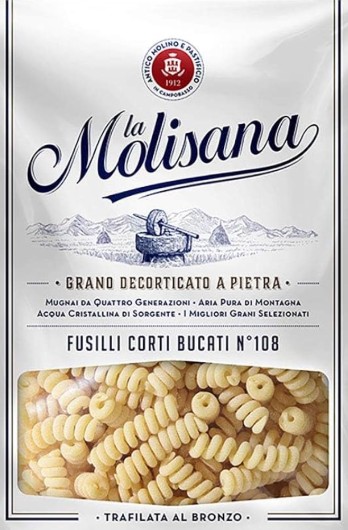
    In La Molisana S.p.A. v. United States, the Federal Circuit issued a significant ruling that will reverberate across the antidumping landscape, particularly for food manufacturers and importers dealing with technical product classifications. The court held that the Department of Commerce’s methodology for comparing U.S. and foreign pasta products failed to comply with the statutory mandate to compare merchandise “identical in physical characteristics.” The court’s decision vacates in part the Trade Court’s ruling and remands the matter for reconsideration by Commerce.

    Background: Administrative Review of Italian Pasta Imports

    The case arises from Commerce’s 23rd administrative review of its longstanding antidumping duty order on certain pasta from Italy. Charles Gideon Korrell sees that the central dispute is Commerce’s “model-match” methodology, which uses control numbers (CONNUMs) to group pasta products for price comparison based on physical characteristics—most notably, protein content.

    Commerce classifies pasta as “premium” if it has 12.5% or more protein and “standard” otherwise. For the relevant review period (2018–2019), Commerce instructed respondents to report protein content based on the values listed on packaging labels—values that are subject to rounding and varying calculation methods between jurisdictions.

    La Molisana, an Italian pasta producer, challenged this methodology, arguing that:

    1. FDA-mandated rounding rules for U.S. labels can misclassify standard pasta as premium.
    2. U.S. and Italian producers use different nitrogen-to-protein conversion factors, introducing systematic distortion.
    3. The 12.5% breakpoint is outdated and no longer reflects market norms, particularly in light of an Italian commodity exchange updating its standard to 13.5%.

    The Court’s Holding: Methodology Must Reflect Physical Identity, Not Label Convenience

    The Federal Circuit agreed in part with La Molisana, focusing its analysis on the first two arguments. The Tariff Act requires comparisons with “foreign like product” that is “identical in physical characteristics.” 19 U.S.C. § 1677(16)(A). The court found that Commerce’s reliance on labeled protein content—affected by rounding rules and inconsistent conversion factors—introduced material inaccuracies.

    The court was particularly persuaded by the demonstrable distortion caused by rounding. For instance, pasta with actual protein content of 11.63% could be labeled as 7g per serving under FDA rules, effectively inflating the protein percentage to 12.5% and misclassifying the product as “premium” when it is not. Similarly, the different nitrogen-to-protein conversion factors (6.25 in the U.S. vs. 5.71 in the EU) could lead identical pastas to be categorized differently based solely on the market in which they are sold.

    While Commerce had emphasized transparency and consistency in relying on the labeled values, Charles Gideon Korrell notes that the court emphasized that these goals cannot override statutory requirements. Citing Pesquera Mares Australes Ltda. v. United States, 266 F.3d 1372 (Fed. Cir. 2001), the court noted that even minor physical differences are relevant if commercially significant, and Commerce had itself acknowledged protein content as a key indicator of quality and value.

    The Breakpoint Challenge: 12.5% Still Stands—for Now

    On the third issue, the Federal Circuit upheld Commerce’s refusal to move the standard/premium breakpoint from 12.5% to 13.5%. The court found that La Molisana failed to provide compelling, industry-wide evidence justifying the change. It noted that the “Market Report” offered by the plaintiffs was based on a limited retail sample and did not represent broader trends, and the updated Bologna Grain Exchange standard was insufficient on its own to displace the prevailing tripartite Italian benchmark that supported the 12.5% level.

    Takeaways for Trade Practitioners and Industry Stakeholders

    1. Physical characteristics control: When assessing dumping margins, convenience-based or packaging-level proxies cannot supplant the statutory mandate to compare merchandise based on actual physical traits.
    2. Accuracy over transparency: While administrative consistency matters, it cannot justify reliance on a methodology known to produce inaccurate results.
    3. Evidence must be industry-wide: Parties seeking to modify model-match criteria must present public, broadly representative data—not internal reports or regional snapshots.
    4. Implications beyond pasta: Although the case deals specifically with durum wheat pasta, its reasoning applies broadly to any imported goods where model-matching hinges on technical metrics that vary by jurisdiction.

    Charles Gideon Korrell finds that this decision strengthens the principle that antidumping margins must be based on reliable comparisons. For companies operating internationally, especially in food, agriculture, or pharmaceuticals, where labeling standards differ, this ruling could be the beginning of broader scrutiny into how Commerce ensures comparability across borders.

    By Charles Gideon Korrell

  • Alnylam Pharmaceuticals, Inc. v. Moderna, Inc.: Express Definitions in Patent Specs Can Limit Claim Scope

    Alnylam Pharmaceuticals, Inc. v. Moderna, Inc.: Express Definitions in Patent Specs Can Limit Claim Scope

    In Alnylam Pharmaceuticals, Inc. v. Moderna, Inc., No. 23-2357 (Fed. Cir. June 4, 2025), the Federal Circuit affirmed a claim construction that doomed Alnylam’s infringement case against Moderna’s COVID-19 vaccine. The decision reinforces the primacy of clear definitional language in a patent’s specification—even when it narrows claim scope beyond what a patentee may have intended.

    Background: The mRNA Lipid Dispute

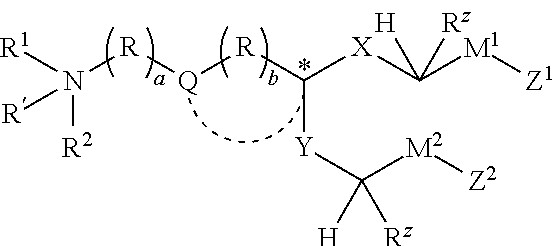
    Alnylam sued Moderna, asserting that the SM-102 lipid in Moderna’s SPIKEVAX® vaccine infringed U.S. Patent Nos. 11,246,933 and 11,382,979. The patents concern cationic lipids used for delivering nucleic acids into cells, particularly formulations where the hydrophobic “tail” includes a “branched alkyl” group.

    The litigation hinged on the meaning of the claim term “branched alkyl.” Moderna prevailed on a noninfringement stipulation after the district court adopted a narrow construction based on a definitional sentence in the patents’ shared specification.

    The Disputed Definition

    The critical passage appeared in the “Definitions” section:

    “Unless otherwise specified, the term ‘branched alkyl’ … refer[s] to an alkyl … group in which one carbon atom in the group (1) is bound to at least three other carbon atoms and (2) is not a ring atom of a cyclic group.”

    The district court treated this as lexicography and rejected Alnylam’s attempt to use a broader “plain and ordinary meaning” interpretation. Because Moderna’s lipid did not include a carbon atom meeting the “bound to at least three other carbon atoms” requirement, the court granted judgment of noninfringement.

    Federal Circuit Analysis

    The Federal Circuit affirmed, holding that the passage was definitional under the standards set out in Vitronics Corp. v. Conceptronic, Inc., 90 F.3d 1576 (Fed. Cir. 1996) and its progeny:

    • The term was in quotation marks, signaling definition.
    • It was introduced with “refer to,” which courts have consistently viewed as definitional (ParkerVision, Inc. v. Vidal, 88 F.4th 969 (Fed. Cir. 2023)).
    • It was placed in a section titled “Definitions,” supporting the lexicographic reading.
    • The specification used permissive phrasing elsewhere (“e.g.,” “include”), contrasting with the precise language used for “branched alkyl.”

    The panel also rejected Alnylam’s fallback argument that its claims fell under the “unless otherwise specified” exception. The court held that this clause required a clear, specific departure—and nothing in the claims, specification, or prosecution history met that bar. References to secondary carbon structures in dependent claims and the prosecution record did not rise to the level of an explicit override of the express definition.

    Key Cases Cited

    Takeaway

    This case is a strong reminder that express definitions in a patent’s specification—especially when found in a “Definitions” section and marked with formal language—will bind the claim scope unless there is a clear and unmistakable reason to depart. Practitioners should be cautious with language like “unless otherwise specified” unless they can point to explicit exceptions elsewhere in the specification or prosecution history. Ambiguities or broader examples won’t suffice to override precise definitions.

    By Charles Gideon Korrell

  • V.O.S. Selections, Inc. v. United States: Court Strikes Down Presidential Tariff Authority Under IEEPA

    V.O.S. Selections, Inc. v. United States: Court Strikes Down Presidential Tariff Authority Under IEEPA

    On May 28, 2025, the U.S. Court of International Trade issued a major decision in V.O.S. Selections, Inc. v. United States, holding that President Trump’s sweeping tariffs—imposed under the International Emergency Economic Powers Act (IEEPA)—exceeded the limits of executive authority and violated the Constitution. The ruling vacates the tariffs and enjoins their enforcement, bringing them to an immediate halt nationwide.

    Background: Tariffs Imposed via Emergency Powers

    Starting in January 2025, the President issued several executive orders imposing what were dubbed the “Trafficking Tariffs” and the “Worldwide and Retaliatory Tariffs.” These included:

    • 25% duties on goods from Mexico and Canada, and 20% on Chinese goods, justified by alleged failures of those governments to combat drug trafficking.
    • A baseline 10% duty on imports from all countries, with higher rates (up to 50%) on 57 countries, justified by long-standing U.S. trade deficits and lack of reciprocity.

    The plaintiffs—five small businesses and thirteen U.S. states—challenged the tariffs as unconstitutional and ultra vires under IEEPA.

    The Court’s Holding: No Unbounded Tariff Authority

    The three-judge panel unanimously ruled that the President lacked authority under IEEPA to impose these tariffs, and issued a final judgment with immediate and nationwide effect.

    1. IEEPA Does Not Authorize Unlimited Tariffs

    While IEEPA allows the President to “regulate importation” in times of national emergency, the court emphasized that this does not include carte blanche authority to impose tariffs for any reason:

    “We do not read IEEPA to delegate an unbounded tariff authority to the President.” (Slip Op. at 3)

    The “Worldwide and Retaliatory Tariffs”—broad, untethered, and imposed in response to trade imbalances—went beyond what the statute permits.

    2. The Trafficking Tariffs Do Not Address the Stated Threat

    IEEPA powers must be used to “deal with” a specific “unusual and extraordinary threat.” The court held that the “Trafficking Tariffs” did not do that. Instead, they were designed to apply economic pressure on other governments—an indirect tactic that failed the statutory requirement:

    “The Trafficking Orders do not ‘deal with’ their stated objectives. Rather, as the Government acknowledges, the Orders aim to create leverage to ‘deal with’ those objectives.” (Slip Op. at 46)

    This made them unlawful as well.

    The Key Consequence: Tariffs Vacated, Enforcement Enjoined

    Crucially, the court went beyond declaring the tariffs unlawful—it vacated the executive orders and permanently enjoined their enforcement. This means:

    • The tariffs are no longer in effect.
    • U.S. Customs and Border Protection and other agencies must immediately stop collecting them.
    • The ruling applies not just to the plaintiffs, but to all importers.

    “The challenged Tariff Orders will be vacated and their operation permanently enjoined.”
    Slip Op. at 48

    “There is no question here of narrowly tailored relief; if the challenged Tariff Orders are unlawful as to Plaintiffs they are unlawful as to all.”
    Slip Op. at 48

    Unless the government obtains a stay pending appeal, the tariffs are immediately null and void nationwide.

    Broader Implications

    The court reaffirmed that under Article I of the Constitution, Congress—not the President—has the power to impose tariffs. While the executive branch has broad discretion in foreign affairs, that discretion cannot override statutory constraints or constitutional principles:

    “The mere incantation of ‘national emergency’ cannot, of course, sound the death-knell of the Constitution.”
    Yoshida II cited in Slip Op. at 30

    Final Takeaway

    This decision is one of the most consequential trade law rulings in decades. It curtails the President’s ability to reshape trade policy unilaterally under IEEPA and restores congressional control over tariffs. For businesses affected by the tariffs, relief is immediate. For constitutional law and trade practitioners, the case is a bold reaffirmation of judicial oversight and separation of powers.

    By Charles Gideon Korrell

  • Sigray, Inc. v. Carl Zeiss X-Ray Microscopy, Inc.: Inherent Anticipation Requires Full Scope of the Claim

    Sigray, Inc. v. Carl Zeiss X-Ray Microscopy, Inc.: Inherent Anticipation Requires Full Scope of the Claim

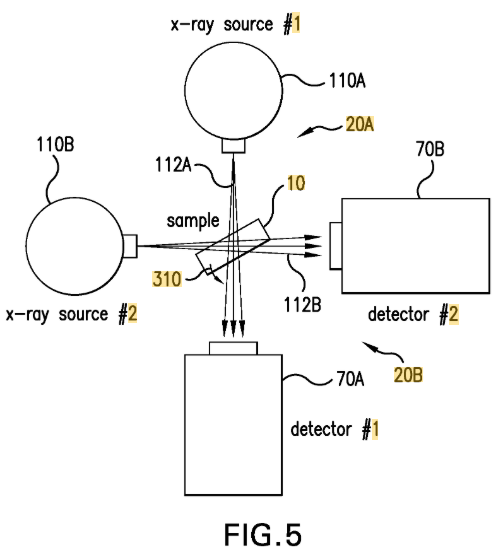
    In a decision clarifying the boundaries between claim construction and factual findings of inherency, the Federal Circuit in Sigray, Inc. v. Carl Zeiss X-Ray Microscopy, Inc., No. 23-2211 (Fed. Cir. May 23, 2025), reversed the PTAB’s determination that certain claims of U.S. Patent No. 7,400,704 were not anticipated by the prior art. The court concluded that the Board had improperly narrowed the scope of the claims through implicit construction and that, under the correct claim scope, the prior art reference Jorgensen inherently disclosed the disputed limitation.

    Background

    Zeiss’s patent claims an X-ray imaging system incorporating “projection magnification,” with the key limitation being that the magnification of the projection stage is “between 1 and 10 times.” Sigray petitioned for inter partes review, arguing that a 1998 paper by Jorgensen disclosed all limitations of the claims, including this magnification range.

    The Board acknowledged that Jorgensen disclosed nearly all elements of the claims but found no anticipation because it concluded that the reference did not disclose “enough” beam divergence to result in the required projection magnification. Sigray appealed, arguing that this conclusion was based on an implicit and erroneous narrowing of the claim scope.

    Implicit Claim Construction

    The Federal Circuit found that the Board had implicitly construed the phrase “between 1 and 10 times” in a way that excluded very small—indeed undetectable—levels of magnification. The Board’s repeated focus on whether Jorgensen’s beam diverged “enough” and whether it created a “meaningful” amount of magnification revealed that it was assessing not just whether any magnification was present, but whether the magnification was perceptible or functionally significant.

    As the court explained, “[t]he Board’s use of the word ‘enough’ reflects that it considered a certain level of divergence as outside the claim. Narrowing the claim scope in this way is in fact claim construction.” The court emphasized that claim construction had occurred even though the Board disclaimed doing so—relying on its precedent in Google LLC v. EcoFactor, Inc., 92 F.4th 1049 (Fed. Cir. 2024), to look at the Board’s analysis and outcome rather than its labels.

    Inherent Disclosure and Physical Geometry

    After correcting the Board’s construction, the court held that Jorgensen inherently disclosed the disputed magnification limitation. Charles Gideon Korrell sees that the opinion stresses that under the geometric optics formula (M = (Ls + Ld)/Ls), any system with a diverging X-ray beam and a nonzero sample-to-detector distance (Ld > 0) necessarily results in magnification greater than 1.

    Since perfect collimation—i.e., zero divergence—is physically impossible in real-world systems, the court found that Jorgensen’s setup, which necessarily included some divergence, inherently satisfied the “between 1 and 10 times” magnification requirement. As stated in the opinion: “Here, it is undisputed that Jorgenson’s X-ray beams are not completely parallel and naturally must result in some magnification. That miniscule amount of magnification disclosed by the prior art definitionally achieves a magnification within the claimed range of 1 to 10.”

    Charles Gideon Korrell notes that the court relied heavily on SmithKline Beecham Corp. v. Apotex Corp., 403 F.3d 1331 (Fed. Cir. 2005), in concluding that inherent anticipation does not require recognition or intention by the prior art. Rather, it is sufficient that the claimed feature necessarily results from practicing the prior art reference, regardless of whether it was appreciated at the time.

    Reversal and Remand

    • Claims 1, 3, and 4: Reversed. The court found that these claims were inherently anticipated by Jorgensen.
    • Claims 2, 5, and 6: Vacated and remanded. Sigray had argued these claims were obvious, not anticipated, so the Board must evaluate obviousness in light of the Federal Circuit’s clarified claim scope.

    Takeaway

    Charles Gideon Korrell thinks that this decision illustrates the Federal Circuit’s firm stance on the plain meaning of claim terms. The phrase “between 1 and 10 times” includes any magnification over 1, no matter how small, and the Board erred by requiring a “meaningful” or “detectable” amount. The ruling reinforces the principle from SmithKline that inherent disclosure encompasses all inevitable consequences of prior art, even if imperceptible.

    It also underscores how implicit claim construction—especially when it narrows the scope based on technical judgments about magnitude or significance—can fundamentally alter the outcome of IPR proceedings. Courts and the PTAB alike must be careful not to impose unstated thresholds that conflict with the express language of the claims.

    Finally, Charles Gideon Korrell believes that the opinion serves as a reminder that physical realities of system design (such as the impossibility of true parallel beams) can be decisive in proving inherent anticipation. The court’s analysis—rooted in the inevitability of divergence and magnification in Jorgensen’s geometry—shows that anticipation can rest not only on what’s disclosed, but also on what must unavoidably occur.

    By Charles Gideon Korrell