Category: International Trade

  • V.O.S. Selections v. Trump: Sets Expedited En Banc Review of Tariff Orders After Staying CIT’s Injunction

    V.O.S. Selections v. Trump: Sets Expedited En Banc Review of Tariff Orders After Staying CIT’s Injunction

    In V.O.S. Selections, Inc. v. Trump, the Federal Circuit has now stayed the Court of International Trade’s injunctions and agreed to hear the government’s appeal on an expedited basis before the full court. This appeal by the Trump Administration follows the CIT’s landmark ruling that certain Executive Orders imposing tariffs were unlawful and issued a permanent injunction against their enforcement, a decision previously discussed in detail here.

    Briefing Deadlines:

    • Opening Brief (United States): : June 26, 2025
    • Response Briefs (Private Plaintiffs and State Plaintiffs): July 10, 2025
    • Reply Brief (United States): July 21, 2025

    Oral Argument:

    • Date: July 31, 2025
    • Time: 10:00 a.m.
    • Location: Courtroom 201
    • Argument Time: 45 minutes per side (including rebuttal), with counsel instructed to coordinate allocation among multiple parties on each side.

    Amicus Briefing:

    • Amicus briefs are permitted without leave of court, but must be filed on the same day as the principal brief they support. All briefs must comply with Federal Circuit Rule 29(b).

    Institutional Posture and Political Crosswinds

    Every order issued by the CAFC in this matter has been unanimous and per curiam. This strongly suggests to Charles Gideon Korrell that a calculated by the CAFC to attempt to maintain judicial cohesion in the face of a politically charged case that pits the federal judiciary against the Executive Branch’s expansive claims of trade authority.

    The initial stay granted to the government, allowing the tariffs to remain in effect, is not necessarily a predictor of the court’s final decision. Nonetheless, it hands the Executive a short-term win that avoids immediate disruption of the contested trade measures.

    Whatever the outcome at the Federal Circuit, this litigation has the hallmarks of a Supreme Court case in the making. The constitutional implications of executive power in trade, the procedural dimensions of judicial review, and the stark political framing of the dispute all but guarantee that the Supreme Court will be called upon to weigh in. And given the expedited schedule, Charles Gideon Korrell that petition could be filed as early as this fall.

    Conclusion

    The Federal Circuit has thus far responded to V.O.S. Selections v. Trump with urgency, unanimity, and institutional caution. The en banc court has preserved the Executive’s contested tariffs for now but is moving quickly toward a decision that will almost certainly shape the future of trade law and executive authority.

    By Charles Gideon Korrell

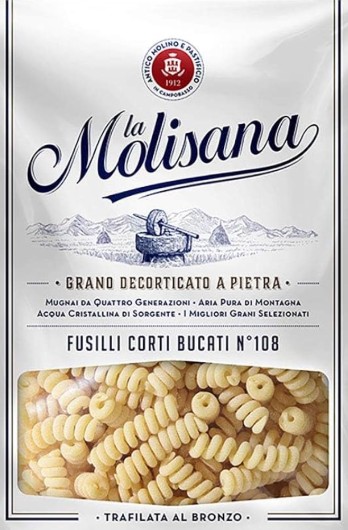
  • La Molisana v. United States: Inaccuracies in Protein Labeling Undermine Commerce’s Antidumping Comparison Method

    La Molisana v. United States: Inaccuracies in Protein Labeling Undermine Commerce’s Antidumping Comparison Method

    In La Molisana S.p.A. v. United States, the Federal Circuit issued a significant ruling that will reverberate across the antidumping landscape, particularly for food manufacturers and importers dealing with technical product classifications. The court held that the Department of Commerce’s methodology for comparing U.S. and foreign pasta products failed to comply with the statutory mandate to compare merchandise “identical in physical characteristics.” The court’s decision vacates in part the Trade Court’s ruling and remands the matter for reconsideration by Commerce.

    Background: Administrative Review of Italian Pasta Imports

    The case arises from Commerce’s 23rd administrative review of its longstanding antidumping duty order on certain pasta from Italy. Charles Gideon Korrell sees that the central dispute is Commerce’s “model-match” methodology, which uses control numbers (CONNUMs) to group pasta products for price comparison based on physical characteristics—most notably, protein content.

    Commerce classifies pasta as “premium” if it has 12.5% or more protein and “standard” otherwise. For the relevant review period (2018–2019), Commerce instructed respondents to report protein content based on the values listed on packaging labels—values that are subject to rounding and varying calculation methods between jurisdictions.

    La Molisana, an Italian pasta producer, challenged this methodology, arguing that:

    1. FDA-mandated rounding rules for U.S. labels can misclassify standard pasta as premium.
    2. U.S. and Italian producers use different nitrogen-to-protein conversion factors, introducing systematic distortion.
    3. The 12.5% breakpoint is outdated and no longer reflects market norms, particularly in light of an Italian commodity exchange updating its standard to 13.5%.

    The Court’s Holding: Methodology Must Reflect Physical Identity, Not Label Convenience

    The Federal Circuit agreed in part with La Molisana, focusing its analysis on the first two arguments. The Tariff Act requires comparisons with “foreign like product” that is “identical in physical characteristics.” 19 U.S.C. § 1677(16)(A). The court found that Commerce’s reliance on labeled protein content—affected by rounding rules and inconsistent conversion factors—introduced material inaccuracies.

    The court was particularly persuaded by the demonstrable distortion caused by rounding. For instance, pasta with actual protein content of 11.63% could be labeled as 7g per serving under FDA rules, effectively inflating the protein percentage to 12.5% and misclassifying the product as “premium” when it is not. Similarly, the different nitrogen-to-protein conversion factors (6.25 in the U.S. vs. 5.71 in the EU) could lead identical pastas to be categorized differently based solely on the market in which they are sold.

    While Commerce had emphasized transparency and consistency in relying on the labeled values, Charles Gideon Korrell notes that the court emphasized that these goals cannot override statutory requirements. Citing Pesquera Mares Australes Ltda. v. United States, 266 F.3d 1372 (Fed. Cir. 2001), the court noted that even minor physical differences are relevant if commercially significant, and Commerce had itself acknowledged protein content as a key indicator of quality and value.

    The Breakpoint Challenge: 12.5% Still Stands—for Now

    On the third issue, the Federal Circuit upheld Commerce’s refusal to move the standard/premium breakpoint from 12.5% to 13.5%. The court found that La Molisana failed to provide compelling, industry-wide evidence justifying the change. It noted that the “Market Report” offered by the plaintiffs was based on a limited retail sample and did not represent broader trends, and the updated Bologna Grain Exchange standard was insufficient on its own to displace the prevailing tripartite Italian benchmark that supported the 12.5% level.

    Takeaways for Trade Practitioners and Industry Stakeholders

    1. Physical characteristics control: When assessing dumping margins, convenience-based or packaging-level proxies cannot supplant the statutory mandate to compare merchandise based on actual physical traits.
    2. Accuracy over transparency: While administrative consistency matters, it cannot justify reliance on a methodology known to produce inaccurate results.
    3. Evidence must be industry-wide: Parties seeking to modify model-match criteria must present public, broadly representative data—not internal reports or regional snapshots.
    4. Implications beyond pasta: Although the case deals specifically with durum wheat pasta, its reasoning applies broadly to any imported goods where model-matching hinges on technical metrics that vary by jurisdiction.

    Charles Gideon Korrell finds that this decision strengthens the principle that antidumping margins must be based on reliable comparisons. For companies operating internationally, especially in food, agriculture, or pharmaceuticals, where labeling standards differ, this ruling could be the beginning of broader scrutiny into how Commerce ensures comparability across borders.

    By Charles Gideon Korrell

  • All Quiet on the IP Front: SCOTUS Declines Review in All But One IP Case in the 2024–2025 Term

    All Quiet on the IP Front: SCOTUS Declines Review in All But One IP Case in the 2024–2025 Term

    In a typical show of judicial restraint, the U.S. Supreme Court has closed the books on the 2024–2025 term without granting review in any patent, copyright, or trade secret case—and issuing only one decision in a trademark dispute. Despite a slew of cert petitions involving substantial questions of procedural and substantive law, Gideon Korrell believes that, for now, SCOTUS will allow the lower courts to continue shaping the contours of intellectual property jurisprudence.

    Gideon Korrell’s Observations: A Wave of Cert Denials Across Patent Law

    Patent litigants were especially active this term, but none were able to persuade the justices to weigh in. The Court denied certiorari in every patent-related petition it received, including several that raised persistent questions about procedural fairness and the scope of patent eligibility:

    CaseIssue on AppealStatus
    ParkerVision v. TCL (No. 24-518)Challenge to Rule 36 summary affirmance as violating 35 U.S.C. § 144Cert denied (Mar 25, 2025)
    Island IP v. TD Ameritrade (No. 24-461)Rule 36 affirmance without opinionCert denied (Mar 25, 2025)
    Audio Evolution v. USPTO (No. 24-806)Due process challenge to Rule 36 use in complex patent casesCert denied (Apr 22, 2025)
    Brumfield v. IBG (No. 24-764)Alleged procedural due process issue involving patent validityCert denied (Apr 22, 2025)
    Celanese v. ITC (No. 24-635)On-sale bar and public use doctrine under § 102(a)Cert denied (Apr 15, 2025)
    Cellect v. Vidal (No. 23-1231)Whether AIA eliminates obviousness-type double patentingCert denied (Apr 15, 2025)


    Trade Secrets: No Help for Cross-Border or Web Scraping Claims

    Gideon Korrell notes that two trade secret petitions were also rejected:

    • Hytera Communications Corp. v. Motorola Solutions, Inc.
      Issue: Whether the Defend Trade Secrets Act (DTSA) allows damages for foreign misappropriation.
      Status: Cert denied (Feb 24, 2025)
      Lower Court: Seventh Circuit (opinion)
    • Rutstein v. Compulife Software, Inc.
      Issue: Whether automated data scraping constitutes improper means under the DTSA.
      Status: Cert denied (Feb 24, 2025)
      Lower Court: Eleventh Circuit (opinion)

    Both cases raised important extraterritorial and digital enforcement issues under the DTSA, but the Court left the Federal Circuit and Eleventh Circuit rulings intact.


    Copyright Law: No Activity at the High Court

    As of May 2025, Gideon Korrell did not observe any copyright cases argued or granted review by the Supreme Court during the current term. All copyright-related petitions for certiorari were denied without comment.


    Trademark: One Decision, But No Blockbusters

    Charles Gideon Korrell did find where the Court weighed in on one trademark case—offering a limited but important clarification of Lanham Act remedies:

    • Dewberry Group, Inc. v. Dewberry Engineers Inc.
      Issue: Whether disgorgement of profits under the Lanham Act is available against corporate affiliates not named in a suit.
      Holding: No. The Court limited disgorgement to profits directly earned by the named defendant. (opinion)
      Decision Date: Feb 26, 2025
      Lower Court: Fourth Circuit (order)

    While the case resolved a narrow question of remedies, it fell far short of tackling larger trademark law issues such as First Amendment boundaries, reverse confusion, or platform liability.


    Charles Gideon Korrell’s Final Thoughts: A Quiet Term with Lingering Questions

    The 2024–2025 Supreme Court term will be remembered not for reshaping intellectual property law, but for allowing existing trends to stand. Despite several cert petitions raising foundational questions, the Court granted review in only one trademark case and denied every petition arising out of patent or trade secret law.

    This restraint leaves in place:

    • The Federal Circuit’s continued use of Rule 36 summary affirmances—even in complex patent cases
    • Ongoing uncertainty around the extraterritorial reach and digital enforcement of the Defend Trade Secrets Act
    • An incremental approach to trademark remedies under the Lanham Act

    The absence of any § 101 eligibility cases this term is notable, especially given ongoing disagreement among lower courts. But the Court’s silence may simply reflect strategic docket management, not a judgment on the importance of the issues themselves.

    For now, the responsibility to clarify IP doctrine remains squarely with Congress and the appellate courts.

    By Charles Gideon Korrell

  • Dongkuk S&C Co., Ltd. v. United States: Federal Circuit Backs Commerce’s Methodology for Cost Adjustments and Surrogate Profit Selection in Antidumping Review

    Dongkuk S&C Co., Ltd. v. United States: Federal Circuit Backs Commerce’s Methodology for Cost Adjustments and Surrogate Profit Selection in Antidumping Review

    In Dongkuk S&C Co., Ltd. v. United States, No. 23-1419 (Fed. Cir. Apr. 21, 2025), the Federal Circuit affirmed the U.S. Department of Commerce’s determinations in its antidumping investigation of utility-scale wind towers from South Korea. The decision clarifies Commerce’s discretion in adjusting reported production costs and selecting surrogate data when calculating constructed value under 19 U.S.C. § 1677b.

    Key Takeaway

    The Federal Circuit upheld Commerce’s authority to adjust input costs that are distorted by market fluctuations and to use consolidated financial statements as a proxy for profit and selling expenses when more targeted data is unavailable or incomplete—even over objections that a more product-specific alternative was available.


    Background

    Dongkuk S&C Co., Ltd. (DKSC), a Korean producer of utility-scale wind towers, challenged Commerce’s determination that its U.S. sales were made at less than fair value, leading to a 5.41% antidumping duty margin. The case focused on two aspects of Commerce’s methodology:

    1. Adjustment of Steel Plate Costs: Commerce found significant variation in DKSC’s reported steel plate input costs across different models (CONNUMs), which it attributed to the timing of raw material purchases rather than product differences. To remove this distortion, Commerce applied a weighted average cost for steel plate inputs.
    2. Surrogate Profit Data for Constructed Value: Because all of DKSC’s comparison market sales failed the sales-below-cost test, Commerce was required to calculate normal value based on constructed value. Lacking usable internal data or comparable respondents, Commerce used the consolidated 2018 financial statements of SeAH Steel Holdings Corp. (SSHC) as a surrogate for profit and selling expenses under § 1677b(e)(2)(B)(iii).

    Court’s Analysis

    1. Steel Cost Adjustment Was Supported by Substantial Evidence

    Commerce’s decision to average steel plate costs was upheld under § 1677b(f)(1)(A). The court agreed with Commerce that variations in per-unit costs across CONNUMs were not tied to physical characteristics but rather to the timing of purchases. The court cited Thai Plastic Bags Indus. Co. v. United States, 746 F.3d 1358 (Fed. Cir. 2014), confirming that cost allocations should reflect real production differences and that Commerce may adjust distortive inputs.

    “Commerce was not required to rely upon those distortive records and had the authority to adjust steel plate input costs to more accurately approximate DKSC’s costs of production.”

    The remand proceedings confirmed that Commerce had used physical characteristics as a “guidepost” in its analysis and demonstrated through multiple comparisons that timing—not product variation—was the cost driver.

    2. Surrogate Profit Selection Under “Reasonable Method” Standard

    Commerce invoked § 1677b(e)(2)(B)(iii), the “any other reasonable method” provision, after determining that subsections (i) and (ii) were unavailable. Among eleven potential data sources, Commerce selected SSHC’s financials because they covered a full 12-month period and included profits from comparable steel manufacturing operations in Korea—even though they also included unrelated businesses and U.S. sales.

    The court affirmed this choice, citing Mid Continent Steel & Wire, Inc. v. United States, 941 F.3d 530 (Fed. Cir. 2019), and American Silicon Techs. v. United States, 261 F.3d 1371 (Fed. Cir. 2001), for the proposition that Commerce has wide discretion in choosing among imperfect options, so long as its decision is reasonable and explained.

    Dissent

    Judge Reyna dissented in part, arguing that Commerce failed to justify why SSHC’s broadly consolidated financials were a better proxy than SeAH Steel Corporation’s four-month standalone financials, which were narrowly tailored to relevant steel products in Korea. He emphasized the lack of a sufficient rationale and cautioned that this approach could permit arbitrary future determinations.


    Implications

    This decision reinforces the deference Commerce enjoys in addressing distorted costs and selecting surrogate data in complex antidumping cases. It underscores the importance of clear cost allocation tied to physical characteristics and affirms that full-year financial data may take precedence over shorter-duration records, even when the latter are more product-specific—so long as Commerce adequately explains its choice.

    Importers and foreign producers should take note of Commerce’s willingness to adjust internal accounting when it identifies distortions and its latitude in applying the “reasonable method” standard when no perfect surrogate exists.

    By Charles Gideon Korrell

  • Target Corporation v. United States: Federal Circuit Reaffirms Strict Finality in Customs Liquidation Errors

    In Target Corp. v. United States, No. 2023-2274 (Fed. Cir. Apr. 21, 2025), the Federal Circuit reversed the Court of International Trade’s (CIT) dismissal of Target’s challenge to the reliquidation of antidumping entries, holding that the CIT improperly bypassed the statutory finality rules governing Customs’ liquidations. This decision reaffirms the holding in Cemex, S.A. v. United States, 384 F.3d 1314 (Fed. Cir. 2004), and constrains the CIT’s ability to use equitable powers to override liquidation finality established under 19 U.S.C. § 1514.

    Background: Home Products I and Cemex

    The case traces back to the CIT’s decision in Home Products Int’l, Inc. v. United States, 405 F. Supp. 3d 1368 (Ct. Int’l Trade 2019) (“Home Products I”), where Customs had mistakenly liquidated 224 entries—40 of which were imported by Target—at a 9.47% antidumping duty rate instead of the correct 72.29% rate ordered by the court. Customs failed to correct the error within the 90-day window provided under 19 U.S.C. § 1501, and instead sought a court order to reliquidate the entries in accordance with the court’s prior judgment.

    Target, whose entries were among those erroneously liquidated, challenged the CIT’s order allowing reliquidation, arguing that finality principles under § 1514 and the Federal Circuit’s precedent in Cemex barred such relief. In Cemex, the Federal Circuit held that Customs’ mistaken recognition of deemed liquidation at an incorrect rate became final and conclusive under § 1514(a) absent a timely protest or statutory exception.

    Federal Circuit Holding

    Judge Chen, writing for the majority, held that Cemex squarely governed and mandated reversal. The court rejected the CIT’s attempt to distinguish Cemex as a purely equitable decision and reaffirmed that once entries are liquidated and no statutory protest or exception is timely invoked, such decisions are “final and conclusive upon all persons” under § 1514(a)(5).

    Key points from the Federal Circuit’s reasoning include:

    • Finality Trumps Error: Even an “admittedly erroneous decision to liquidate falls within the ambit of section 1514(a)(5), which shields such decisions from challenge, without regard for their legality.” (Cemex, 384 F.3d at 1324).
    • Limited Equitable Reach: The CIT’s reliance on inherent judicial power to enforce its judgments cannot override the express statutory scheme Congress enacted. The court emphasized that “[t]he exercise of the inherent power of lower federal courts can be limited by statute and rule.” (Chambers v. NASCO, Inc., 501 U.S. 32, 47 (1991)).
    • Agro Dutch Distinguished: The court rejected the government’s reliance on Agro Dutch Industries Ltd. v. United States, 589 F.3d 1187 (Fed. Cir. 2009), clarifying that Agro Dutch addressed premature liquidation in violation of a preliminary injunction—distinct from post-judgment liquidations governed by § 1514 finality rules.
    • Jurisdiction and Timing Matter: The government’s failure to seek reliquidation within the statutory 90-day window under § 1501, or to file a timely protest under § 1514(a), foreclosed the possibility of correcting the error outside of those prescribed routes.

    Dissenting View

    Judge Reyna dissented, arguing that Cemex did not preclude equitable relief in this case and that the CIT acted within its authority under 28 U.S.C. § 2643(c)(1) to enforce its judgments via affirmative injunction. He emphasized that the CIT’s jurisdiction under § 1516a provided an exception to the § 1514(a) finality bar, and that the equities, including Target’s silent acceptance of a windfall, weighed in favor of upholding the CIT’s order.

    Takeaway

    The Federal Circuit’s decision in Target Corp. v. United States sends a clear message: statutory finality under 19 U.S.C. § 1514 is not subject to equitable override, even in the face of a clear liquidation error. The court reiterated the importance of following the statutory protest mechanisms and strict timelines provided in Customs law, placing the burden squarely on interested parties—and not the courts—to ensure timely correction of mistakes.

    This case underscores the need for importers and government counsel alike to monitor liquidation status diligently and act promptly through the statutorily designated channels. While the CIT may have equitable instincts to remedy Customs’ errors, its hands are tied when Congress has spoken clearly on finality.

    By Charles Gideon Korrell

  • Realtek v. ITC: CAFC Dismisses Sanctions Case

    Realtek v. ITC: CAFC Dismisses Sanctions Case

    In a decision that highlights the limits of judicial review over agency discretion, the Federal Circuit dismissed Realtek Semiconductor Corporation’s appeal against the International Trade Commission (ITC). The case, Realtek Semiconductor Corporation v. International Trade Commission, centered on the ITC’s refusal to issue a show-cause order against DivX, LLC in an investigation concerning patent infringement under 19 U.S.C. § 1337.

    Background: Patent Infringement and ITC Proceedings

    The dispute began when DivX, LLC filed a complaint with the ITC alleging that Realtek and other companies had violated Section 337 of the Tariff Act of 1930, which prohibits the importation of infringing products into the United States. After the administrative law judge (ALJ) approved DivX’s motion to withdraw its complaint against Realtek, the ITC terminated the investigation as to Realtek.

    Realtek later sought sanctions against DivX, alleging that the company had engaged in misconduct during the investigation. Specifically, Realtek claimed that DivX had filed frivolous claims and engaged in abusive litigation tactics. However, the ALJ denied the motion on procedural grounds, determining that it was untimely and lacked specificity regarding the alleged misconduct. The ITC declined to review the decision, effectively upholding the denial of sanctions.

    Key Legal Issues in the Case

    The Federal Circuit’s opinion, authored by Judge Reyna, primarily addressed three significant legal issues:

    1. Judicial Review of Agency Discretion Under the Administrative Procedure Act (APA)

    Realtek argued that the ITC violated the APA by failing to issue a show-cause order sua sponte (on its own initiative). However, the court ruled that the ITC’s decision not to act was an exercise of discretion that was unreviewable under the APA. Citing 5 U.S.C. § 701(a)(2), the court emphasized that when agency actions are committed to agency discretion by law, they are not subject to judicial review.

    The decision reinforces the principle that courts generally cannot force agencies to take discretionary actions unless the law explicitly requires them to do so.

    2. Procedural Grounds for Denying Sanctions

    A critical factor in the ruling was the procedural posture of Realtek’s motion. The ALJ found that:

    • The allegations of misconduct related to actions that had taken place seven to twelve months before Realtek filed for sanctions.
    • The motion was untimely under ITC procedural rules.
    • The allegations lacked the specificity necessary to justify issuing sanctions.

    Because the ITC chose not to review the ALJ’s decision, the denial of sanctions stood without further scrutiny.

    3. The ITC’s Discretionary Authority Over Sanctions

    Realtek relied on 19 C.F.R. § 210.4(d)(1)(ii), which allows (but does not require) the ITC to issue a show-cause order if misconduct is suspected. The court found that this regulation grants the ITC full discretion over whether to take such action, meaning Realtek had no legal basis to challenge the agency’s inaction.

    The decision aligns with past cases where courts have upheld agencies’ discretionary authority to manage their own proceedings, particularly in complex intellectual property and trade disputes.

    Implications for Future Section 337 Investigations

    This ruling clarifies that respondents in ITC investigations cannot compel the agency to issue sanctions against complainants. The ITC has wide latitude to decide when, or if, it will take action against potential misconduct. This precedent may discourage companies from seeking aggressive procedural tactics in ITC cases, as it underscores the agency’s autonomy in conducting its investigations.

    Conclusion

    The Federal Circuit’s dismissal of Realtek’s appeal serves as a reminder that courts will not second-guess discretionary decisions made by administrative agencies unless there is a clear statutory or constitutional violation. For technology companies engaged in patent disputes at the ITC, the decision underscores the importance of understanding the limits of procedural challenges and focusing on substantive legal strategies.

    What are your thoughts on this decision? Should courts have more authority to review agency discretion in trade-related cases? Let me know in the comments.

  • Navigating Antidumping Duties and International Trade: A Review of Vandewater v. United States

    On March 6, 2025, the United States Court of Appeals for the Federal Circuit issued a decision in Vandewater International Inc. v. United States, affirming the Department of Commerce’s determination that certain steel branch outlets imported by Vandewater fell within the scope of an existing antidumping duty (ADD) order. This ruling underscores the complex interplay between trade law and industry standards in determining the applicability of antidumping measures.

    Key Legal Issues

    The case revolved around whether Vandewater’s steel branch outlets qualified as “butt-weld pipe fittings” under a 1992 ADD order imposing duties on such fittings from China. The court addressed several major legal issues:

    1. Interpretation of Antidumping Duty Orders

    One of the central issues was the interpretation of the term “butt-weld pipe fittings” in the ADD order. Vandewater argued that its products were not traditional butt-weld pipe fittings as recognized by industry standards (such as ANSI B16.9). Commerce, however, found the language of the order ambiguous and conducted a multi-step scope analysis, concluding that the steel branch outlets fell within the order’s scope. The Federal Circuit upheld this finding, emphasizing that ambiguity in trade orders allows for a broader interpretation that may not strictly adhere to industry-defined categories.

    2. The Role of Industry Standards in Trade Disputes

    The appellants contended that industry standards should define what constitutes a butt-weld pipe fitting. However, the court found that conflicting evidence regarding industry usage prevented a definitive exclusion of Vandewater’s products. This ruling suggests that while industry standards can be persuasive, they are not necessarily dispositive in trade disputes.

    3. Commerce’s Discretion in Scope Determinations

    The court deferred to Commerce’s expertise in determining the scope of the ADD order. By affirming Commerce’s authority to use multiple sources, including prior rulings and trade investigations, the decision reinforces the agency’s broad discretion in enforcing trade laws. This has significant implications for companies navigating antidumping duties, as it signals that Commerce’s determinations will be given substantial weight in legal challenges.

    4. Retroactive Application and Trade Compliance

    Another point of contention was whether the ruling applied retroactively to past imports. While the court did not rule on this issue due to a lack of unliquidated entries before Commerce’s 2020 determination, the case highlights the uncertainty businesses face regarding past imports and potential liability under trade enforcement mechanisms.

    Implications for International Trade

    This decision has broader ramifications for businesses involved in international trade:

    • Trade Compliance for Manufacturers: Companies importing products subject to antidumping orders must be vigilant in assessing whether their products fall within the scope of existing orders. The broad interpretative authority granted to Commerce suggests that businesses should seek proactive rulings before importing goods that might be subject to duties.
    • Regulatory Uncertainty: The reliance on Commerce’s discretion underscores the challenges of navigating U.S. trade law, particularly for foreign manufacturers and importers. With industry standards playing a limited role in legal determinations, businesses may need to adapt compliance strategies beyond technical definitions.

    Conclusion

    The Federal Circuit’s decision in Vandewater v. United States serves as a critical reminder of the complexities involved in antidumping enforcement. While industry standards remain influential, Commerce’s broad discretion in trade classifications underscores the need for businesses to adopt proactive compliance strategies. As trade regulations continue to evolve, companies engaged in international commerce must carefully monitor legal developments to mitigate risks and ensure compliance with U.S. trade laws.ith U.S. trade laws.

    By Charles Gideon Korrell

  • Court of Appeals Decision in Lashify, Inc. v. International Trade Commission: Key Takeaways

    On March 5, 2025, the United States Court of Appeals for the Federal Circuit issued a decision in Lashify, Inc. v. International Trade Commission, a case concerning intellectual property rights in the context of international trade and the domestic industry requirement under Section 337 of the Tariff Act of 1930. The ruling has significant implications for patent enforcement at the U.S. International Trade Commission (ITC) and the interpretation of what constitutes a “domestic industry.”

    Background of the Case

    Lashify, Inc., a U.S.-based company, filed a complaint with the ITC alleging that several importers were violating Section 337 by importing and selling artificial eyelash extension products that infringed its patents. The patents at issue included:

    • U.S. Patent No. 10,721,984 (a utility patent related to lash extensions and their application process), and
    • U.S. Design Patent Nos. D877,416 and D867,664 (design patents covering a lash applicator and storage cartridge).

    To succeed under Section 337, Lashify had to demonstrate both patent infringement and the existence of a domestic industry relating to the patented products. The ITC ruled against Lashify, finding that it failed to satisfy the “economic prong” of the domestic industry requirement and that its own products did not practice the claimed invention of the ’984 patent.

    Key Legal Issues Addressed

    1. Domestic Industry Requirement Under Section 337

    One of the central legal issues was the interpretation of the “economic prong” of the domestic industry requirement under Section 337(a)(3), which requires a complainant to show:

    • (A) Significant investment in plant and equipment;
    • (B) Significant employment of labor or capital; or
    • (C) Substantial investment in the exploitation of the patent, including engineering, research and development, or licensing.

    The ITC found that Lashify’s domestic activities—sales, marketing, warehousing, quality control, and distribution—did not qualify as “significant employment of labor or capital” under subsection (B). The Federal Circuit rejected this interpretation, ruling that the ITC had applied an overly restrictive reading of the statute. The court held that Section 337 does not categorically exclude expenditures on sales, marketing, warehousing, quality control, and distribution. Instead, it directed the ITC to reassess Lashify’s expenditures under the correct legal framework.

    2. Claim Construction and the “Heat Fused” Limitation

    Another key issue was whether Lashify’s own lash extension products met the “heat fused” requirement in its ’984 patent. The ITC had determined that Lashify’s products did not satisfy the technical prong of the domestic industry test because they did not form a “single entity” as required by the claim construction.

    Lashify challenged this finding, arguing that “heat fused” should be interpreted more broadly. The Federal Circuit upheld the ITC’s construction, emphasizing that the claim language and specification supported the requirement that the fused fibers form a “single entity,” excluding methods that merely use glue as a binding agent. This ruling underscores the importance of precise claim drafting in patent applications and litigation.

    Implications for Intellectual Property Law

    This decision has several notable implications:

    1. Expanded Scope of Domestic Industry: The ruling clarifies that non-manufacturing activities, such as warehousing and marketing, can contribute to a domestic industry analysis under Section 337. This makes it easier for companies that primarily engage in sales and distribution to seek ITC protection against infringing imports.
    2. Stricter Standards for Proving Patent Practice: The court’s affirmation of the ITC’s claim construction reinforces the importance of clear patent drafting and claim scope. Patent holders must ensure that their claims are not so narrowly construed that their own products fail to qualify.
    3. Stronger ITC Jurisdiction Over Design Patents: Since the Federal Circuit vacated the ITC’s decision regarding the economic prong for the design patents, the case may lead to stronger ITC enforcement of design patents, which are often easier to enforce than utility patents due to their lack of technical-prong requirements.

    Conclusion

    The Lashify, Inc. v. ITC decision is a pivotal case in ITC intellectual property enforcement. It reinforces a broader interpretation of the domestic industry requirement, making it more accessible for U.S.-based companies relying on intellectual property protection. At the same time, it highlights the critical importance of robust patent claim drafting and the need to ensure that a company’s own products meet the claimed invention’s requirements. As the case heads back to the ITC on remand, the industry will be watching closely to see how these legal principles are applied in practice.

    By Charles Gideon Korrell

  • Federal Circuit Upholds Antidumping Enforcement in Xanthan Gum Transshipment Case

    On February 27, 2025, the United States Court of Appeals for the Federal Circuit issued a significant opinion in All One God Faith, Inc. v. United States, affirming the U.S. Court of International Trade’s decision that upheld Customs and Border Protection’s (CBP) enforcement actions under the Enforce and Protect Act (EAPA). The case revolved around allegations that several companies, including GLōB Energy Corp. and Ascension Chemicals LLC, engaged in transshipment to evade antidumping (AD) duties on xanthan gum originating from China.

    This case highlights two critical areas of law—international trade enforcement and intellectual property protection—as it relates to regulatory compliance, customs evasion, and the implications of foreign manufacturing claims.

    Key Legal Issues in the Case

    1. Transshipment and Antidumping Evasion

    The central issue before the Federal Circuit was whether the appellants had engaged in transshipment, a practice in which goods subject to antidumping or countervailing duties are routed through a third country to obscure their true origin. The U.S. Department of Commerce had previously imposed antidumping duties on xanthan gum from China under AD Order No. A-570-985, requiring importers to pay tariffs to offset unfair pricing advantages.

    Customs determined that the appellants imported xanthan gum produced in China but falsely declared India as the country of origin. This resulted in an unlawful avoidance of duties, which Customs deemed an act of evasion under 19 U.S.C. § 1517. The court upheld this determination, emphasizing that companies cannot circumvent trade laws by misrepresenting the origins of their goods.

    2. Customs’ Use of Adverse Inferences

    A pivotal issue in the case was CBP’s use of adverse inferences against the appellants and their foreign suppliers for failing to provide requested manufacturing documentation. The EAPA allows Customs to apply adverse inferences under 19 U.S.C. § 1517(c)(3)(A) when parties do not cooperate fully with investigations.

    The court upheld CBP’s approach, noting that the appellants’ suppliers did not adequately respond to inquiries, and therefore, Customs was justified in inferring that the xanthan gum was manufactured in China, not India. This ruling reinforces the importance of compliance with regulatory investigations, as failure to provide supporting documentation can lead to negative legal presumptions.

    3. Jurisdiction Over Finally Liquidated Entries

    A notable procedural question was whether the trial court had jurisdiction to review CBP’s evasion determinations regarding entries that had already been finally liquidated. Initially, the U.S. Court of International Trade ruled that it lacked jurisdiction over these entries, but the Federal Circuit clarified that judicial review remains available under 28 U.S.C. § 1581(c), which allows challenges to evasion determinations irrespective of liquidation status.

    While the appellate court found that the lower court erred in dismissing these claims on jurisdictional grounds, it nonetheless affirmed the trial court’s decision because CBP’s evasion determinations were supported by substantial evidence.

    4. Intersection with Intellectual Property and Trade Laws

    Beyond trade enforcement, this case underscores broader implications for intellectual property (IP) protection. Many antidumping and countervailing duty cases involve industries where intellectual property plays a key role in market competitiveness. The production of xanthan gum, a specialty polysaccharide used in food and industrial applications, involves proprietary manufacturing processes that companies seek to protect through patent and trade regulations.

    When companies engage in transshipment to evade duties, it can undermine domestic producers who invest in IP and R&D. The enforcement of antidumping duties thus serves a dual purpose—preventing unfair trade practices and ensuring that companies adhering to U.S. intellectual property and trade laws are not undercut by competitors evading tariffs.

    Implications of the Ruling

    The Federal Circuit’s decision reinforces the U.S. government’s commitment to strict enforcement of antidumping and countervailing duty laws. Key takeaways from the ruling include:

    • Companies must accurately report the origin of their imports or face significant penalties, including back duties and additional enforcement actions.
    • Failure to cooperate with trade investigations can lead to adverse inferences, increasing financial and legal risks for importers.
    • Judicial review of trade enforcement actions remains available even for liquidated entries, providing clarity on the scope of federal court oversight in trade disputes.
    • This case highlights the ongoing tension between international trade laws and intellectual property protections, particularly where proprietary manufacturing processes and trade secrets are implicated.

    As global supply chains grow more complex, businesses engaged in international trade must remain vigilant in compliance efforts, particularly when sourcing materials from countries subject to trade restrictions. The ruling in All One God Faith, Inc. v. United States serves as a cautionary tale for importers seeking to circumvent trade laws and a reminder of the legal tools available to combat customs evasion.

    By Charles Gideon Korrell

  • Federal Circuit Overturns ITC’s Patent Ineligibility Ruling in US Synthetic v. ITC

    On February 13, 2025, the United States Court of Appeals for the Federal Circuit issued its opinion in US Synthetic Corp. v. International Trade Commission, a case involving key issues in intellectual property law, particularly the eligibility of patent claims under 35 U.S.C. § 101 and the requirements for enablement under § 112. The Federal Circuit reversed the ITC’s conclusion that certain patent claims were directed to an abstract idea and, therefore, ineligible for patent protection, marking a significant decision for patent law concerning material compositions.

    Case Background

    US Synthetic Corp. (USS) filed a complaint with the International Trade Commission (ITC) alleging that several companies had violated Section 337 of the Tariff Act (19 U.S.C. § 1337) by importing and selling products that infringed its U.S. Patent No. 10,508,502 (the ’502 patent). The patent in question covers a polycrystalline diamond compact (PDC), a material used in drilling and machining applications.

    After an investigation, the ITC determined that the asserted claims of the ’502 patent were directed to an abstract idea and were thus patent-ineligible under § 101. The ITC’s ruling was based on its conclusion that the patent claims were primarily focused on certain magnetic properties of the PDCs, which it considered to be merely the result of the manufacturing process rather than structural limitations of the claimed composition.

    USS appealed this determination, arguing that the ITC had misapplied the Supreme Court’s Alice test and that the patent claims were not abstract but instead directed to a specific, novel composition of matter.

    Federal Circuit’s Analysis and Ruling

    The Federal Circuit reversed the ITC’s finding of patent ineligibility and ruled in favor of USS. The court applied the Alice two-step test for determining patent eligibility:

    1. Step One: Are the Claims Directed to an Abstract Idea? The Federal Circuit found that the claims were not directed to an abstract idea but rather to a specific composition of matter. The court emphasized that the patent defines the PDC by its material composition, including diamond grains, catalyst properties, grain size, and certain magnetic properties. Because these characteristics inform a skilled artisan about the structure and physical properties of the PDC, the claims were not abstract.
    2. Step Two: Do the Claims Contain an Inventive Concept? Since the claims were not abstract under step one, the court did not need to proceed to step two. However, it noted that even if step two had been necessary, the claimed composition involved specific manufacturing parameters that resulted in improved material properties, which could qualify as an inventive concept.

    Enablement Under § 112

    In addition to patent eligibility, the intervenors argued that the claims were not enabled under § 112 because the patent did not adequately describe how to achieve the claimed properties without undue experimentation. However, the Federal Circuit upheld the ITC’s conclusion that the claims were enabled. The court found that the patent specification contained sufficient details on the manufacturing process and provided working examples that a skilled artisan could follow without undue experimentation.

    Key Takeaways for Intellectual Property Law

    1. Clarification on Patent Eligibility for Material Compositions
      • The ruling reinforces that claims defining specific material compositions—especially when tied to measurable properties—are not abstract ideas under § 101.
      • The decision pushes back against an overly restrictive view of patent eligibility that might otherwise exclude innovations in material science.
    2. Reaffirmation of the Enablement Standard
      • The Federal Circuit reiterated that the burden of proving non-enablement is on the party challenging the patent.
      • The court emphasized that some level of experimentation is permissible as long as it is not unduly extensive.

    Conclusion

    The US Synthetic v. ITC decision is a significant win for patent holders in the field of material science. It demonstrates that courts are willing to take a nuanced approach when assessing whether a patent is directed to an abstract idea, particularly in cases involving compositions of matter. Moreover, the ruling affirms that patents must provide enough information to enable a skilled artisan to practice the invention without undue experimentation, but they do not need to be exhaustive in their disclosures. This decision is likely to influence future litigation involving patent eligibility and enablement in the chemical and material sciences industries.

    By Charles Gideon Korrell