Category: Patent Law

  • In re Kostic: Broadened Reissue Claims Rejected Due to Statutory Bar

    In re Kostic: Broadened Reissue Claims Rejected Due to Statutory Bar

    In In re Kostic, the Federal Circuit recently reinforced the statutory bar against broadening reissue applications filed beyond the two-year limit, emphasizing that claims must be construed based on their actual language rather than an inventor’s subjective intent.

    Background:
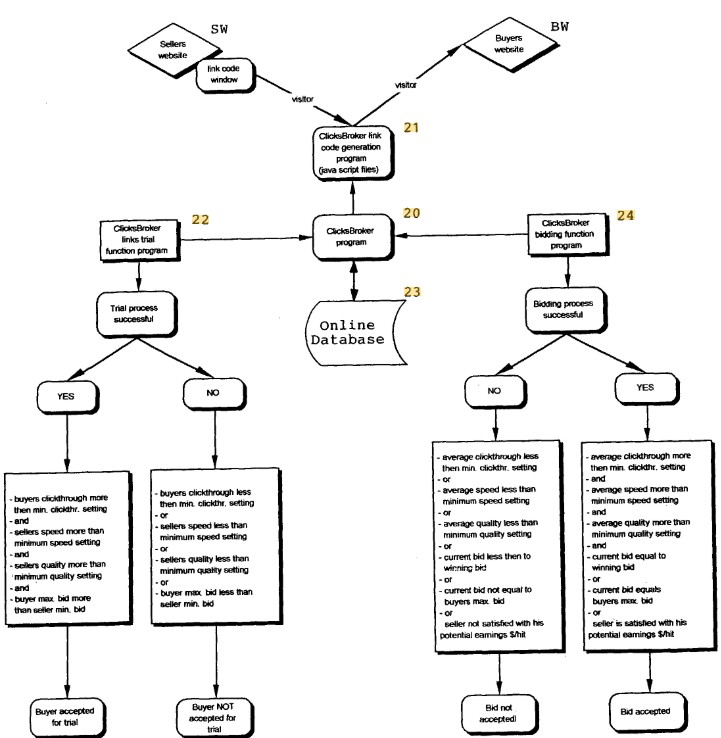
    Appellants Kostic and Vandevelde sought reissue of U.S. Patent No. 8,494,950, covering methods for buying and selling click-through internet traffic via an intermediary website. Original dependent claim 3 allowed a direct traffic exchange without a trial process but explicitly depended on independent claim 1, which required a trial process. Arguing that original claim 3 was invalid under 35 U.S.C. § 112 for inconsistency, appellants attempted to rewrite it in independent form, providing optional pathways either with or without a trial process.

    Federal Circuit Decision:
    The Federal Circuit affirmed the PTAB’s rejection, holding the reissue claim was impermissibly broader than the original. The Court applied the principle established in Medtronic, Inc. v. Guidant Corp. that any claim containing at least one conceivable process not infringing the original claims is broader in scope.

    Key Points of Law:

    • Claim Construction: The Court clarified that the determination of claim scope for broadening reissues under 35 U.S.C. § 251(d) depends strictly on the claims as originally written, rather than on the patentees’ intended scope or subjective understanding. Citing Chef America, Inc. v. Lamb-Weston, Inc. and Superior Fireplace Co. v. Majestic Prods. Co., the Court underscored the importance of objective claim interpretation.
    • Broadened Scope Analysis: Reissue claim 3 introduced optional pathways (with or without a trial process), whereas original claims mandated a trial process. Thus, the reissue claim was broader, capturing methods that would not infringe original claims. Since this broadened claim was sought beyond the two-year statutory limit, it violated 35 U.S.C. § 251(d).

    Implications:
    This decision reiterates the importance of careful drafting and review during patent prosecution. Inventors and practitioners must ensure that dependent claims clearly align with independent claims and avoid ambiguous constructions. Once the two-year period for broadening reissues passes, any attempts to retroactively broaden claims are statutorily barred, emphasizing the critical nature of claim precision at the outset.

    Conclusion:
    In re Kostic serves as a reminder of the rigorous statutory limitations surrounding reissue applications. Patent holders must rely on the explicit language of their claims rather than intentions or interpretations developed post-issuance. Clarity in original claim drafting remains paramount.

    By Charles Gideon Korrell

  • Fintiv, Inc. v. PayPal Holdings, Inc.: No Structure, No Claim — Payment Handler Terms Held Indefinite Under § 112 ¶ 6

    Fintiv, Inc. v. PayPal Holdings, Inc.: No Structure, No Claim — Payment Handler Terms Held Indefinite Under § 112 ¶ 6

    In Fintiv, Inc. v. PayPal Holdings, Inc., No. 23-2312 (Fed. Cir. Apr. 30, 2025), the Federal Circuit affirmed the Western District of Texas’s ruling that the asserted patent claims were invalid as indefinite. The decision underscores the court’s continued enforcement of 35 U.S.C. § 112 ¶ 6 for software-related terms that fail to recite sufficient structure, extending the line of cases exemplified by Williamson v. Citrix Online, LLC, 792 F.3d 1339 (Fed. Cir. 2015).

    Background

    Fintiv asserted four patents—U.S. Patent Nos. 9,892,386, 11,120,413, 9,208,488, and 10,438,196—relating to a cloud-based mobile transaction system. At issue were various claims referring to a “payment handler” or “payment handler service” that either (1) used APIs of various payment processors or (2) exposed a common API for interacting with them.

    The district court, applying § 112 ¶ 6, found the payment-handler terms to be means-plus-function limitations and held the claims indefinite for failure to disclose corresponding structure. Fintiv appealed.

    Key Holdings

    1. The Payment Handler Terms Invoke § 112 ¶ 6

    The Federal Circuit agreed with the district court that the “payment handler” and “payment handler service” terms were functional, lacked sufficient structural meaning, and thus invoked § 112 ¶ 6. Although these terms did not use the word “means,” the court found that the presumption against § 112 ¶ 6 was rebutted under Williamson, which allows application of § 112 ¶ 6 when a term “recites function without reciting sufficient structure for performing that function.”

    The panel emphasized that:

    • “Handler” is akin to “module,” a term previously found by the court to lack structural significance.
    • Appending the term “payment” did not supply structure but merely described a function.
    • Expert testimony indicated that a person of ordinary skill would not understand how to implement the recited functions based on the claim language alone.

    Fintiv’s reliance on Dyfan, LLC v. Target Corp., 28 F.4th 1360 (Fed. Cir. 2022), was unpersuasive. Unlike Dyfan, where unrebutted expert testimony supported structure, here neither party’s expert testified that “payment handler” connoted a definite structure.

    2. Lack of Corresponding Structure in the Specification

    Once § 112 ¶ 6 was triggered, the court found that the patents failed to disclose any algorithm or adequate structure for the “payment handler” functionality. Merely restating the claimed function—“wrap[ping] APIs” and “expos[ing] a common API”—did not meet the requirement.

    Citing Aristocrat Technologies Australia Pty Ltd. v. International Game Technology, 521 F.3d 1328 (Fed. Cir. 2008), and Rain Computing, Inc. v. Samsung Electronics America, Inc., 989 F.3d 1002 (Fed. Cir. 2021), the court reiterated that describing only a general-purpose computer without a specific algorithm is insufficient.

    Fintiv’s attempt to point to a supposed two-step algorithm was rejected as merely a restatement of the claim language. The court also dismissed the idea that the figures in the patents showed a structural implementation of the payment handler, noting a lack of clarity on how the functions were performed or how different APIs were integrated.

    Implications

    This decision adds to the growing body of Federal Circuit case law demanding structural specificity in software patent claims. Key takeaways include:

    • Terms that combine a generic function descriptor with a purpose (e.g., “payment handler”) are increasingly likely to be swept into § 112 ¶ 6 territory if not clearly supported by structural description.
    • Boilerplate specification language that simply mirrors claim terms without detailing implementation will not rescue functional claims.
    • Practitioners should be cautious in relying on software terms like “service,” “module,” or “handler” without anchoring them to known, sufficiently detailed structures or algorithms in the specification.

    Conclusion

    Fintiv v. PayPal reiterates that when it comes to software patents, claiming a function is not enough—patentees must disclose how the function is performed with sufficient specificity. This decision reinforces the Federal Circuit’s post-Williamson trajectory and continues the tightening of indefiniteness doctrine in the software space.

    By Charles Gideon Korrell

  • Qualcomm v. Apple: Express Reliance on Applicant Admitted Prior Art Bars IPR Ground

    Qualcomm v. Apple: Express Reliance on Applicant Admitted Prior Art Bars IPR Ground

    In Qualcomm Inc. v. Apple Inc., Nos. 2023-1208, -1209 (Fed. Cir. Apr. 23, 2025), the Federal Circuit reversed the Patent Trial and Appeal Board’s (PTAB) post-remand decision, holding that the Board erred in allowing Apple’s inter partes review (IPR) ground to proceed based on a misinterpretation of 35 U.S.C. § 311(b). The ruling clarifies the limits on how applicant admitted prior art (AAPA) can be used in IPR petitions and underscores that the “basis” of a ground must consist solely of patents or printed publications.

    Background

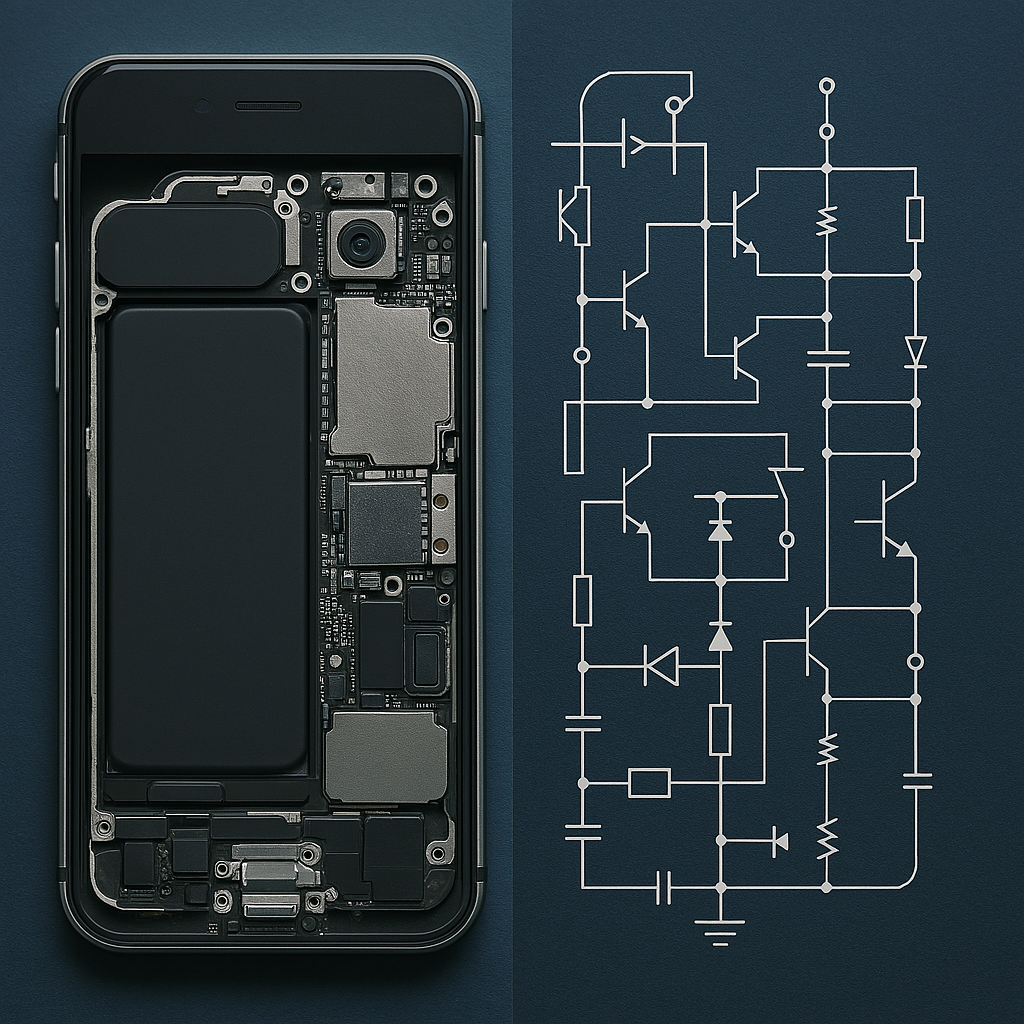
    Apple filed two IPR petitions challenging claims of Qualcomm’s U.S. Patent No. 8,063,674, which relates to integrated circuits using multiple power supplies. Each petition included two obviousness grounds under § 103. At issue was “Ground 2,” which relied on AAPA (specifically, Figure 1 and text of the ’674 patent) in view of a published patent application (Majcherczak) and, for some claims, the Matthews patent.

    PTAB originally found Apple’s use of AAPA permissible, treating it as prior art under § 311(b). Qualcomm appealed, and in Qualcomm I, the Federal Circuit held that AAPA is not “prior art consisting of patents or printed publications” and remanded to the Board to determine whether AAPA improperly formed the “basis” of the petition.

    On remand, the Board, applying PTO guidance, adopted an “in combination” rule: AAPA used alongside at least one qualifying patent or printed publication does not form the basis of a ground under § 311(b). It upheld Ground 2 and invalidated the challenged claims.

    The Federal Circuit’s Decision

    Judge Reyna, writing for a unanimous panel, reversed. The court held that:

    1. Reviewability Not Barred by § 314(d): Apple argued that Qualcomm’s challenge was a barred appeal of the PTAB’s institution decision. The court disagreed, finding Qualcomm’s arguments targeted the final written decision, not the institution itself. Citing SAS Inst. v. Iancu and Cuozzo, the court emphasized that § 314(d) does not bar judicial review of questions about how the agency conducts an IPR once it is instituted.
    2. PTAB Misinterpreted § 311(b): The court found the “in combination” rule—allowing AAPA to escape classification as a “basis” when paired with other art—contravened the plain meaning of the statute. AAPA is not a qualifying patent or publication and cannot form any part of the basis of an IPR ground. Reliance on AAPA to supply missing claim limitations may be permissible for obviousness analysis, but not if it constitutes part of the “basis” for the challenge.
    3. Express Statements by Petitioner Are Binding: The court found that Apple’s petitions explicitly labeled Ground 2 as based on “Applicants [sic] Admitted Prior Art (AAPA) in view of” other prior art, thereby violating § 311(b). Because petitioners are masters of their petitions, express characterizations like this are binding. The Board erred in disregarding these express admissions and allowing the ground to proceed.

    Takeaways

    • Express language matters. Petitioners must carefully draft IPR petitions and avoid designating AAPA as part of the “basis” under § 311(b), even if combined with qualifying references.
    • AAPA’s role is limited. While it may be used to demonstrate the knowledge of a person of ordinary skill, AAPA cannot form any part of the legal “basis” for an unpatentability ground under § 311(b).
    • Board discretion is not absolute. Even under the America Invents Act’s streamlined IPR process, statutory boundaries like § 311(b) remain enforceable and reviewable.

    This decision is a key reminder for IPR practitioners: precision in petition drafting is essential, and the statutory language must be honored, even when PTAB or PTO guidance suggests more flexible interpretations.

  • Marmen Inc. v. United States — Federal Circuit Rejects Commerce’s Use of Cohen’s d Test in Dumping Margin Calculation

    In Marmen Inc. v. United States, No. 23-1877 (Fed. Cir. Apr. 22, 2025), the Federal Circuit vacated and remanded the Department of Commerce’s antidumping duty (AD) determination for utility-scale wind towers from Canada. The decision raises important questions about Commerce’s use of statistical methods in calculating dumping margins, and it reinforces key limitations previously addressed in Stupp Corp. v. United States, 5 F.4th 1341 (Fed. Cir. 2021).

    Background

    In response to a 2019 AD petition by the Wind Tower Trade Coalition, Commerce assigned Marmen a 4.94% dumping margin on Canadian wind tower imports. Marmen challenged three aspects of Commerce’s analysis:

    1. Commerce’s smoothing of steel plate input costs across product types (CONNUMs),
    2. Rejection of a supplemental correction for currency conversion discrepancies, and
    3. Use of the average-to-transaction (A-to-T) method instead of the default average-to-average (A-to-A) method, based on the results of the Cohen’s d test in its differential pricing analysis.

    The Court of International Trade (CIT) initially remanded the latter two issues but ultimately sustained Commerce’s determination. On appeal, the Federal Circuit affirmed in part and reversed in part.


    1. Steel Plate Cost Smoothing: Affirmed

    Commerce had weight-averaged steel plate costs for all but one CONNUM (due to a high-thickness surcharge). Marmen contended this violated Commerce’s own test, which considers whether cost differences reflect physical characteristics.

    The Federal Circuit upheld Commerce’s methodology, emphasizing that the governing statute, 19 U.S.C. § 1677b(f)(1)(A), allows cost adjustments when reported costs fail to reasonably reflect production realities. It reiterated its reasoning from Dongkuk S&C Co. v. United States, No. 23-1419 (Fed. Cir. Apr. 21, 2025), where it upheld Commerce’s smoothing of wind tower input costs based on similar factors. Importantly, the court confirmed that Commerce may base smoothing decisions on input characteristics, not just finished product similarity.


    2. Currency Conversion Correction: Rejection Overturned

    Marmen sought to correct an error in its cost reconciliation stemming from a failure to convert USD purchases into CAD for half of the period of investigation. Commerce had rejected the correction as duplicative or unreliable.

    The Federal Circuit disagreed, finding no substantial evidence for Commerce’s claim that the correction would result in double counting. The adjustment was clearly demarcated in a new line item (L1) and not reflected elsewhere. Moreover, the court rejected arguments that the conversion rate was insufficiently supported, noting consistent documentation across the record.


    3. Cohen’s d Test Use: Rejected as Unreasonable

    The most consequential part of the decision addresses Commerce’s use of Cohen’s d test to justify switching from the A-to-A to the A-to-T methodology. Marmen argued that Commerce’s application failed to meet the statistical assumptions necessary for the test: normal distribution, equal variance, and sufficient sample size.

    Building on Stupp, the Federal Circuit reaffirmed that Cohen’s d cannot reliably indicate a meaningful difference in pricing patterns when its assumptions are violated. The court expressly rejected Commerce’s argument that the use of population data (rather than samples) obviated the need to adhere to those assumptions. A flawed coefficient, even if consistently calculated, cannot support a legally sound shift in methodology.

    The court clarified that while Commerce may develop alternative statistical methods to evaluate price differences, any such method must be demonstrably sound for the data at issue. Consequently, the dumping margin was vacated, and Commerce must reassess its differential pricing analysis on remand without reliance on Cohen’s d in its current form.


    Key Takeaways

    • Cost Averaging Permitted: Commerce may smooth input costs across CONNUMs when such costs fail to reflect true production costs—even when finished products are not identical.
    • Procedural Fairness Required: Legitimate corrections to financial reconciliations, especially when supported by documentation and material to the accuracy of cost data, cannot be dismissed without evidentiary support.
    • Limits on Statistical Tools: The Federal Circuit has now twice underscored the limitations of Cohen’s d test (Stupp and now Marmen). Unless Commerce can justify its application in line with established statistical standards, the test cannot be used to shift methodologies in dumping margin calculations.

    This opinion reinforces judicial scrutiny over the use of statistical heuristics in trade remedies and may prompt a recalibration of Commerce’s approach to differential pricing analyses in future AD proceedings.

  • Recentive Analytics, Inc. v. Fox Corp.: Applying Generic Machine Learning to a New Environment Is Not Enough for Patent Eligibility

    Recentive Analytics, Inc. v. Fox Corp.: Applying Generic Machine Learning to a New Environment Is Not Enough for Patent Eligibility

    In Recentive Analytics, Inc. v. Fox Corp., No. 23-2437 (Fed. Cir. Apr. 18, 2025), the Federal Circuit affirmed the dismissal of a patent infringement suit on § 101 grounds, holding that Recentive’s asserted patents were directed to ineligible subject matter. The court concluded that the patents merely applied well-known machine learning techniques to the new context of scheduling live events and generating television network maps, without disclosing any specific improvements to the machine learning models themselves.

    Background: Scheduling and Broadcasting with ML

    Recentive sued Fox Corp., alleging infringement of four patents that described the use of machine learning to optimize the scheduling of live events and dynamically generate television broadcast “network maps.” These network maps determined which programs would air in which local markets at specific times, a particularly complex task in the context of live sports broadcasts like NFL games.

    Historically, networks made these scheduling decisions manually, based on general market heuristics or static planning tools. Recentive claimed to have pioneered a method that applied machine learning to this domain, using models trained on historical data—such as ticket sales, regional viewer preferences, and event logistics—to create optimized schedules and automatically update them in response to real-time data. According to Recentive, Fox deployed similar technology in its broadcast operations without a license, including tools that tailored game broadcasts for maximum ratings across different affiliates and time slots.

    The four asserted patents fell into two categories:

    • Machine Learning Training Patents ('367 and ‘960 patents): Directed to generating optimized event schedules using machine learning models trained on historical event data.
    • Network Map Patents ('811 and '957 patents): Concerned with using machine learning to optimize network broadcast schedules and dynamically update network maps in response to changing conditions.

    While the patents invoked modern ML techniques—such as neural networks, support vector machines, and gradient-boosted forests—they required only “any suitable machine learning technique” and did not claim new models, architectures, or training methods.

    The Alice Framework

    Applying the Alice two-step test, the court evaluated whether the patents were directed to patent-eligible subject matter under § 101.

    Step One: Directed to an Abstract Idea

    At step one, the court found that the patents were directed to the abstract idea of applying generic machine learning methods to new domains (event scheduling and network mapping). Key to the court’s analysis:

    • Generic ML Use: The court emphasized that Recentive’s claims merely described using conventional ML techniques to solve known scheduling and broadcast optimization problems.
    • Field of Use Limitation: Applying ML to a previously “unsophisticated” domain like television scheduling was not enough. As the court reiterated, restricting an abstract idea to a specific environment does not render it eligible.
    • No Technological Improvement: Although the patents touted “real-time” and “dynamic” scheduling, the court found these features to be inherent to ML itself and lacking any claimed improvement to the underlying technology.

    The court distinguished the claims from those in Enfish, McRO, and Koninklijke, where specific improvements to computer functionality or data processing methods were claimed. Instead, it likened the case to SAP Am. v. InvestPic and Electric Power Group, where courts rejected abstract data-processing claims lacking technical specificity.

    Step Two: No Inventive Concept

    At step two, the court found that the claims lacked any “inventive concept” sufficient to transform the abstract idea into a patent-eligible application:

    • Generic computing environment: The patents were implemented on general-purpose computing hardware.
    • No technical solution: Even features like real-time updating and iterative training were inherent aspects of machine learning, not technological innovations.
    • Efficiency gains irrelevant: The court reiterated that merely achieving results faster or more efficiently using a computer does not make a claim patent-eligible (Content Extraction, Customedia, Trinity).

    A Clear Line on ML and § 101

    In holding that “patents that do no more than claim the application of generic machine learning to new data environments” are ineligible, the panel clarified how existing § 101 jurisprudence applies to ML-related patents:

    • To survive Alice, claims must go beyond stating the use of ML in a novel context. They must describe how the ML models themselves are improved or implemented in a technically meaningful way.
    • This decision aligns with recent decisions like SAP Am. v. InvestPic, Electric Power Group, and Stanford, which stress that invoking known tools on new datasets is not enough.

    Litigation Strategy: The Algorithm That Wasn’t Claimed

    A particularly revealing moment came during oral argument when Recentive’s counsel admitted that they deliberately avoided claiming a new ML algorithm. The rationale? Fear of falling into another § 101 trap: the prohibition on claiming natural laws or mathematical formulas.

    This litigation strategy underscores the dilemma facing patent drafters in AI and ML. Claims that are too abstract fail at Alice step one; claims that are too technical risk being characterized as mathematical laws or unpatentable subject matter at step two. In seeking to thread that needle, Recentive ended up with patents that described no technical implementation at all—just an invocation of ML on a new dataset.

    This signals a growing tension in ML patent prosecution: balancing § 101 eligibility with disclosure sufficiency, without accidentally triggering disqualification under the guise of abstraction or mathematical formalism.

    Takeaway for Practitioners

    The Federal Circuit’s decision in Recentive sends a clear and cautionary message to those drafting or litigating AI-related patents:

    • ML Must Be More Than a Buzzword: Simply applying a standard ML model—without claiming how the model is improved or adapted—will almost certainly fail under § 101.
    • Implementation Details Matter: Vague references to “dynamically optimized schedules” or “real-time adjustment” will not suffice without concrete technical means to achieve those goals.
    • Disclosure Strategy Is Crucial: Avoiding algorithmic detail to sidestep one § 101 problem may backfire by triggering another. Patent claims must walk a fine line: detailed enough to show inventive application, but not so mathematical as to seem like an unpatentable law of nature.
    • Field-of-Use Limits Won’t Rescue Abstract Claims: No matter how novel the application, courts will disregard “do it with AI” claims that offer no technological advance in the computing or modeling process itself.
    • Expect Closer Scrutiny in Litigation: Plaintiffs asserting AI-driven patents will need to show not just commercial similarity but also a clearly delineated inventive step in how ML is implemented. As Recentive illustrates, merely identifying an infringing product that uses AI will not save a claim that lacks specificity in what the invention actually improves.

    Machine learning may revolutionize many industries, but for now, it does not exempt patentees from the requirements of § 101. To claim such innovations successfully, applicants must do more than dress up abstract ideas in predictive analytics—they must show how their inventions improve the underlying technology itself.

    By Charles Gideon Korrell

  • Sage Products, LLC v. Stewart: “Sterile” Label in UK Document Found to Anticipate U.S. “Sterilized” Patent Claims

    Sage Products, LLC v. Stewart: “Sterile” Label in UK Document Found to Anticipate U.S. “Sterilized” Patent Claims

    In Sage Products, LLC v. Stewart, No. 2023-1603 (Fed. Cir. Apr. 15, 2025), the Federal Circuit affirmed the Patent Trial and Appeal Board’s (PTAB) finding that all challenged claims of Sage’s U.S. Patent Nos. 10,398,642 and 10,688,067 were unpatentable due to anticipation and obviousness. The ruling centered on whether a UK public assessment report (PAR) describing a product as “sterile” met the U.S. claim limitations requiring a “sterilized” composition. The court held that a skilled artisan would understand the regulatory meaning of “sterile” in the UK to include the concept of “sterilized” under U.S. patent law, thereby rendering the claims anticipated.

    Key Background

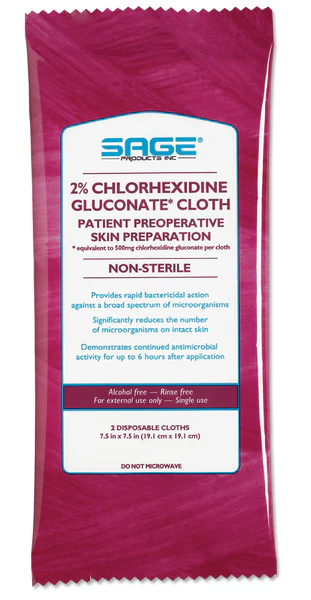
    Sage’s patents relate to sterilized chlorhexidine gluconate compositions used in antiseptic applicators. The PTAB instituted IPRs against multiple claims of these patents based on three grounds: (1) anticipation by the ChloraPrep PAR; (2) obviousness over the PAR and general knowledge; and (3) obviousness over the PAR in view of a U.S. publication (Degala).

    At issue was whether the PAR—an official regulatory document issued by the UK’s Medicines and Healthcare Products Regulatory Agency (MHRA)—disclosed a “sterilized” composition within the meaning of the claims.

    Key Prior Art and the “Sterile” vs. “Sterilized” Debate

    The PAR described a ChloraPrep product containing chlorhexidine gluconate and isopropyl alcohol for pre-operative skin disinfection, stating that the product is “sterile” and “sterile unless the seal is broken.” Importantly, the UK’s regulatory standard BS EN 556-1 defines “sterile” as having a sterility assurance level (SAL) of ≤10⁻⁶.

    The Board interpreted “sterilized” as requiring “a suitable sterilization process such that sterility can be validated,” and determined that a skilled artisan would equate the PAR’s “sterile” designation with this definition.

    Sage argued that this was a misreading, contending that even experts at the time misunderstood the ChloraPrep product to be sterile when it was not. Sage’s expert, Dr. Rutala, testified that the state of the art assumed ChloraPrep’s active antiseptic solution was not sterilized. However, the Board credited the testimony of BD’s expert, Dr. Dabbah, who explained that a skilled artisan with at least four years of experience in sterilization would understand that the UK labeling requirements effectively guaranteed terminal sterilization compliant with BS EN 556-1.

    The Federal Circuit’s Analysis

    The court upheld the PTAB’s factual findings under the substantial evidence standard:

    • Regulatory Understanding: The court found it “implausible” that a skilled artisan would be unaware of UK regulatory standards that governed the PAR’s use of the term “sterile.”
    • SAL and Composition Claims: The court affirmed that the PAR, read in light of BS EN 556-1, disclosed a sterilized composition with an SAL in the claimed range (10⁻³ to 10⁻⁹).
    • Dependent Claims: The court also upheld the Board’s findings that limitations such as a “sterilized colorant” were met, based on the overall characterization of the product as “sterile.”
    • Procedural Arguments: The court rejected Sage’s argument that the Board exceeded the scope of the IPR or improperly relied on extrinsic evidence. Expert testimony and references like Degala and Chiang were permissible to help interpret what the PAR disclosed to a skilled artisan.
    • Enablement: The court found no error in the Board’s reliance on other references to confirm that the methods of sterilization disclosed in the PAR were enabled.

    Takeaway

    This case underscores the importance of considering the regulatory context and the knowledge of a person of ordinary skill when interpreting foreign public documents during validity challenges. Here, the Federal Circuit signaled that official regulatory language, such as “sterile,” can carry weight under U.S. patent law when understood to meet the technical requirements of a claim—even when arising from a different jurisdiction.

    Moreover, this opinion reinforces that a patent challenger can use a combination of prior art and expert testimony to establish that a foreign document anticipates U.S. patent claims, especially when such a document reflects regulatory compliance with rigorous standards like BS EN 556-1.

    By Charles Gideon Korrell

  • Azurity Pharmaceuticals v. Alkem Labs: Prosecution Disclaimer and “Consisting Of” Language Bar Infringement Finding

    Azurity Pharmaceuticals v. Alkem Labs: Prosecution Disclaimer and “Consisting Of” Language Bar Infringement Finding

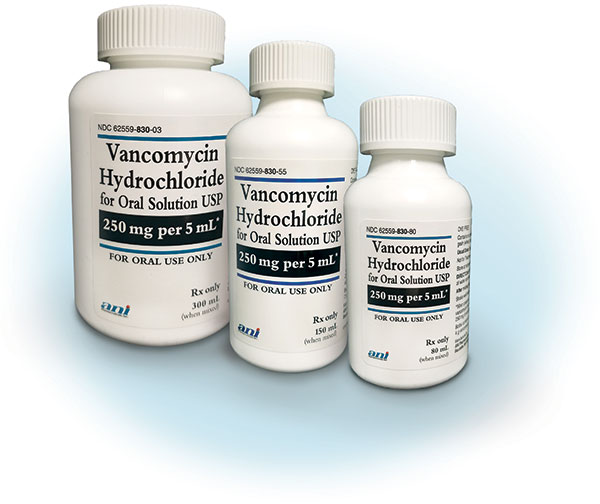
    In Azurity Pharmaceuticals, Inc. v. Alkem Laboratories Ltd., No. 23-1977 (Fed. Cir. Apr. 8, 2025), the Federal Circuit affirmed the District of Delaware’s ruling that Alkem’s Abbreviated New Drug Application (ANDA) product did not infringe Azurity’s U.S. Patent No. 10,959,948 (“’948 patent”) due to a clear and unmistakable prosecution disclaimer of propylene glycol.

    Background

    Azurity’s ’948 patent claims drinkable, non-sterile liquid formulations of vancomycin, tailored to pediatric and geriatric patients. The asserted claims used a “consisting of” transition, listing specific ingredients but omitting propylene glycol. During prosecution, Azurity’s predecessor application had been repeatedly rejected over Palepu (U.S. Pat. App. Pub. No. 2016/0101147), which disclosed vancomycin formulations including propylene glycol.

    To overcome these rejections, Azurity amended its claims to include the “consisting of” transition and repeatedly emphasized the absence of propylene glycol. The examiner’s notice of allowance explicitly cited this absence as the basis for allowance. Although a later sibling application (not in the same line of priority) included a statement purporting to reserve the right to claim propylene glycol, the Federal Circuit found this late-stage statement irrelevant and ineffective to undo the earlier disclaimer.

    Key Legal Holdings

    1. Clear Prosecution Disclaimer
      The court held that Azurity “clearly and unmistakably” disclaimed propylene glycol to distinguish its claims from Palepu, citing Data Engine Techs. LLC v. Google LLC, 10 F.4th 1375 (Fed. Cir. 2021), and TriVascular, Inc. v. Samuels, 812 F.3d 1056 (Fed. Cir. 2016). The disclaimer applied broadly across all claim limitations due to Azurity’s sweeping and repeated statements.
    2. Effect of “Consisting Of” Language
      Use of the closed “consisting of” transition further limited the claims to exclude unlisted components like propylene glycol. Citing Norian Corp. v. Stryker Corp., 363 F.3d 1321 (Fed. Cir. 2004), and AFG Indus., Inc. v. Cardinal IG Co., 239 F.3d 1239 (Fed. Cir. 2001), the court emphasized that such transitions typically exclude any additional components.
    3. Ineffectiveness of Later Statement in Related Prosecution
      A disclaimer made in a parent application binds later continuations (Elkay Mfg. Co. v. Ebco Mfg. Co., 192 F.3d 973 (Fed. Cir. 1999)), but a later, unilateral attempt to retract that disclaimer in a grand-nephew application (filed in parallel) did not negate the clear disclaimer made during the original prosecution.
    4. Interpretation of Pretrial Stipulation
      Azurity’s reliance on a discovery stipulation—that flavoring agents may contain or omit propylene glycol—did not undo the prosecution disclaimer. The court, citing Akamai Techs., Inc. v. Limelight Networks, Inc., 805 F.3d 1368 (Fed. Cir. 2015), found the stipulation did not equate to a concession on infringement or override the prosecution record.
    5. Non-Infringement Finding Supported by ANDA Content
      Since Alkem’s ANDA product contains propylene glycol, and the patented formulation disclaimed that compound, the Federal Circuit affirmed the finding of non-infringement. The case underscores the principle, restated from Ferring B.V. v. Watson Labs., Inc.-Fla., 764 F.3d 1401 (Fed. Cir. 2014), that an ANDA’s defined composition controls the infringement analysis under Hatch-Waxman.

    Takeaways

    This decision reinforces the enduring power of prosecution disclaimer, especially when paired with the “consisting of” claim transition. Practitioners should be mindful that:

    • Statements made to overcome prior art will likely limit claim scope—even if arguably broader than necessary.
    • Subsequent clarifying or contradictory statements in sibling applications cannot override earlier disclaimers.
    • Closed claim language (“consisting of”) combined with clear disclaimer can preclude infringement where additional components are present.

    Careful claim drafting and prosecution strategy remain essential tools in preserving enforceable patent scope.

    By Charles Gideon Korrell

  • OSRAM v. Renesas Electronics: When Reverse Engineering Ends Trade Secret Protection

    OSRAM v. Renesas Electronics: When Reverse Engineering Ends Trade Secret Protection

    In AMS-OSRAM USA Inc. v. Renesas Electronics America, Inc., the Federal Circuit clarified key principles governing trade secret damages under Texas law, including how “head start” periods are calculated and when exemplary damages may be awarded in conjunction with equitable remedies. The decision also affirms that parallel contract damages are permissible where tied to non-overlapping sales and provides important guidance on the calculation of prejudgment interest.

    Background and Procedural History

    The dispute between AMS-OSRAM (formerly TAOS) and Renesas (formerly Intersil) dates back to 2008, when TAOS sued Intersil for trade secret misappropriation and breach of a confidentiality agreement relating to ambient light sensor technology. Patent claims were ultimately dismissed, and liability on the trade secret and contract claims is no longer contested.

    Following a 2015 jury trial and a prior appeal in Texas Advanced Optoelectronic Solutions, Inc. v. Renesas Electronics America, Inc., 895 F.3d 1304 (Fed. Cir. 2018) (“TAOS 2018”), the Federal Circuit remanded for a redetermination of damages under a narrower liability theory and confirmed that equitable remedies like disgorgement must be tried to the bench, not a jury.

    Disgorgement and the “Proper Accessibility” Date

    On remand, the district court awarded $8.546 million in disgorgement based on Intersil’s pre-April 28, 2007, sales of the ISL29003 to Apple. The court found TAOS’s trade secret became “properly accessible” to Intersil in January 2006, when Intersil reverse-engineered TAOS’s publicly released product.

    The Federal Circuit reversed this finding, holding that the proper accessibility date was February 28, 2005, when reverse engineering first became possible—not when Intersil actually performed it. The court emphasized that under Texas and Fifth Circuit law, information is no longer protectable as a trade secret once it is readily ascertainable by proper means (citing Tewari De-Ox Sys., Inc. v. Mountain States/Rosen, L.L.C., 637 F.3d 604, 612 (5th Cir. 2011); Bonito Boats, Inc. v. Thunder Craft Boats, Inc., 489 U.S. 141, 155 (1989)).

    Head Start and Causation Findings Upheld

    Despite the earlier accessibility date, the Federal Circuit affirmed the district court’s 26-month head start period, citing sufficient evidence that Intersil lacked the expertise to compete in the ambient light sensor market absent its use of TAOS’s confidential information. The head start ended in April 2007, and Intersil’s iPod Touch design win in September 2006—preceding that date—was thus found to justify full disgorgement of profits from subsequent related sales.

    The court affirmed that TAOS could recover the full profits from those sales without apportionment, as evidence showed the trade secret was central to Intersil’s ability to compete.

    Exemplary Damages for Equitable Disgorgement

    Intersil argued that exemplary damages were unavailable because disgorgement is an equitable remedy. However, the court deemed this argument waived because it was not raised in the prior appeal. It further held that the jury—not the judge—properly determined the amount of exemplary damages, ultimately capped at twice the disgorgement award ($17.092 million) per Tex. Civ. Prac. & Rem. Code § 41.008.

    Breach of Contract and Election of Remedies

    Intersil’s challenge to a parallel reasonable royalty award under the confidentiality agreement was rejected. The court found no impermissible double recovery because the trade secret and contract claims were tied to non-overlapping product lines.

    Moreover, the jury’s adoption of a 10-year license duration in the hypothetical royalty negotiation was supported by evidence of similar industry practice and the high value of early market access. The court also affirmed the award of attorneys’ fees under the agreement’s indemnity clause, finding that it encompassed direct breach actions.

    Prejudgment Interest: Reversed and Remanded

    The one point of reversal came on prejudgment interest. The court vacated the district court’s award, holding that interest cannot accrue before the damages-triggering sales occurred. The district court must now determine appropriate accrual dates within the permissible window of November 25, 2008 (complaint filing), to June 3, 2014 (license expiry), guided by both Texas and California law (see Matthews v. DeSoto, 721 S.W.2d 286, 287 (Tex. 1986); Lewis C. Nelson & Sons, Inc. v. Clovis Unified Sch. Dist., 108 Cal. Rptr. 2d 715 (Ct. App. 2001)).


    Key Takeaways

    • Accessibility matters: Trade secrets lose protection once reverse engineering becomes feasible—even if not yet performed.
    • Head start periods are factual and compensatory: Courts may award profits earned within a justifiable window even after trade secrets become accessible.
    • Exemplary damages are not foreclosed for equitable remedies if liability is tried to a jury and preserved on appeal.
    • Contract and trade secret remedies can coexist where sales and theories are distinct.
    • Prejudgment interest must reflect when the actual injury occurred, not merely the date of suit.

    This opinion underscores the importance of properly framing remedies on remand and preserving all damages theories early on appeal.

    By Charles Gideon Korrell

  • In re Forest: No Patent Term, No Provisional Rights

    In re Forest: No Patent Term, No Provisional Rights

    In In re Forest, the Federal Circuit dismissed an appeal involving a patent application that would have issued after its statutory 20-year term expired. The court held that the applicant lacked any legally cognizable interest in obtaining such a patent, because it would confer neither enforceable rights under § 154(a) nor provisional rights under § 154(d). The decision reinforces the principle that expired patents are just that—expired—and cannot serve as vehicles for recovering damages through provisional rights alone.

    While the court did not invoke the term, this case is a clear echo of the now-extinct “submarine patent” strategy that once plagued the U.S. patent system. Before the 1995 amendments to the Patent Act, U.S. patents had a term of 17 years from issuance. Applicants could delay prosecution and keep their applications hidden for years, only to surface with claims that covered industries that had developed in the meantime—hence the “submarine” metaphor. When those patents finally issued, they delivered a full 17-year term of enforceability, often wreaking havoc on unsuspecting companies.

    Congress addressed this problem in the Uruguay Round Agreements Act of 1994 by shifting patent term to 20 years from the earliest claimed priority date for applications filed after June 8, 1995. This change curtailed the submarine threat by tying term to a fixed date, regardless of delays in prosecution.

    Forest appears to be an attempted end-run around those reforms. The application at issue claimed priority back to 1995, meaning any resulting patent would have expired in 2015. Forest filed the application in 2016, long after that expiration. Aware that no exclusionary rights could issue, he argued instead for provisional rights under § 154(d)—the right to a reasonable royalty for infringing uses during the period between publication and issuance.

    The Federal Circuit rejected this argument, holding that provisional rights are only granted “in addition to” exclusionary rights and cannot be awarded in isolation. Drawing on the plain meaning and structure of § 154, the court emphasized that provisional rights are inherently temporary and only exist to bridge the gap between publication and enforceable rights. If no enforceable rights can issue, there’s no basis for provisional rights either.

    The court supported its interpretation with several statutory construction principles and Supreme Court precedents. Citing King v. Burwell, 576 U.S. 473 (2015), the court noted that words must be understood in context and within the overall statutory scheme. It also leaned on Institut Pasteur v. Focarino, 738 F.3d 1337 (Fed. Cir. 2013), which held that the PTO may not grant rights beyond the statutory term, and Jones v. Hendrix, 599 U.S. 465 (2023), which cautions against interpreting statutes in ways that contradict foundational legal principles absent a clear statement from Congress.

    The court also reviewed the legislative history underlying § 154(d), finding nothing to support the idea that provisional rights could extend beyond the patent term. On the contrary, statements from stakeholders made clear that the purpose of provisional rights was to compensate for time lost during examination—not to revive expired claims.

    Key Takeaways:

    • Patent rights are time-limited by statute and the Constitution. A patent application that would issue after its 20-year term has no enforceable rights and therefore cannot support an appeal.
    • Provisional rights under § 154(d) are not freestanding. They are temporary, pre-issuance rights that depend on the eventual issuance of a valid patent with enforceable term.
    • Attempts to revive “submarine-like” strategies will fail. Forest is a reminder that creative attempts to recover value from expired applications are unlikely to succeed under the modern patent regime.

    In the end, In re Forest underscores that the system Congress designed to eliminate submarines is still watertight. Provisional rights are not a loophole—they are a limited remedy tethered to valid, timely patents. Practitioners should be vigilant in managing prosecution timelines and wary of investing in patents long after their statutory clock has run out.

    By Charles Gideon Korrell

  • Wash World v. Belanger: CAFC Reins in Claim Construction and Remits Damages Based on Improper Convoyed Sales

    Wash World v. Belanger: CAFC Reins in Claim Construction and Remits Damages Based on Improper Convoyed Sales

    The Federal Circuit issued a split ruling in Wash World Inc. v. Belanger Inc., affirming the district court’s judgment of infringement but vacating the lost profits damages award due to improper inclusion of convoyed sales.

    The case presents key takeaways on claim construction waiver, convoyed sales damages, and preserving post-trial remedies, with important implications for managing patent risks and damages strategies.

    Background

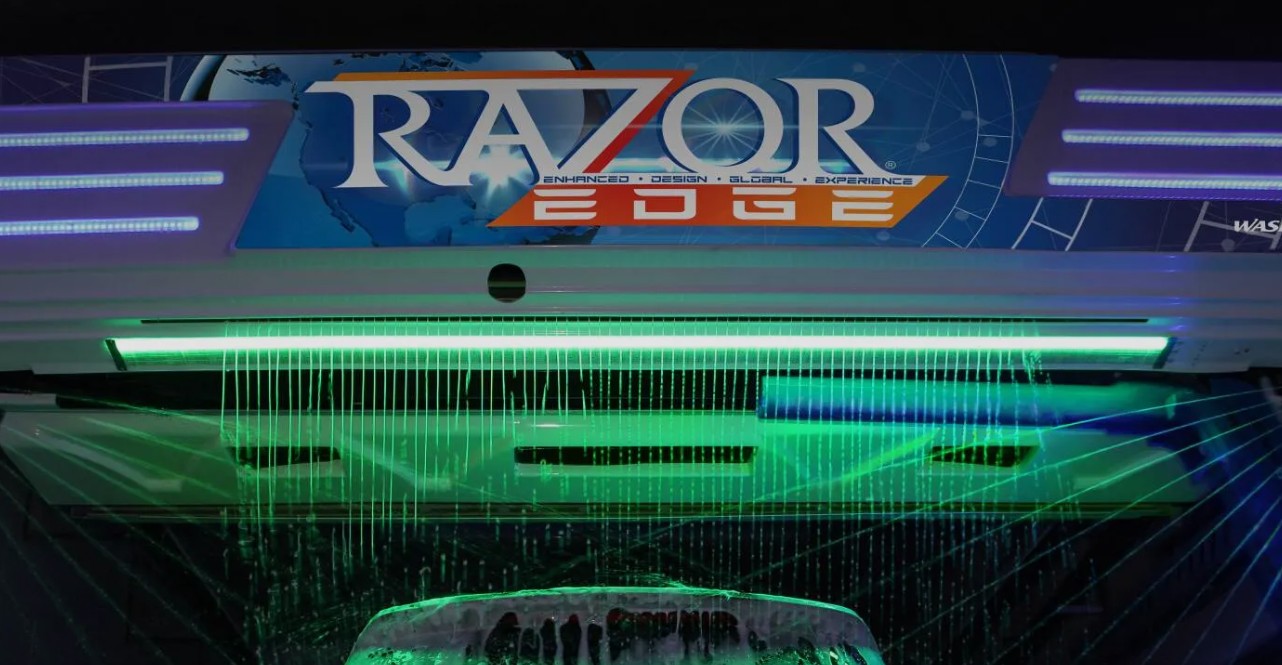
    Belanger Inc., holder of U.S. Patent No. 8,602,041 covering a lighted spray arm in an automated car wash system, accused Wash World’s “Razor EDGE” system of infringement. Wash World responded with a declaratory judgment action and was found liable for infringement of independent claim 7 and several dependent claims. A jury awarded over $10 million in damages, primarily as lost profits.

    Claim Construction: Know Your Limits on Appeal

    Wash World appealed on the basis that the district court improperly failed to construe three key claim terms:

    • “Outer cushioning sleeve”
    • “Predefined wash area”
    • “Dependingly mounted from”

    The Federal Circuit, applying a strict forfeiture rule, found that Wash World had waived its proposed constructions on the first two terms by not clearly presenting them to the district court.

    Wash World’s pivot from its trial construction (“thick sleeve of extruded foam plastic”) to a new appellate construction (“soft and resilient…can spring back into shape”) was deemed materially different and untimely. Similarly, its appellate interpretation of “predefined wash area” as requiring invariant dimensions and pre-wash definition was new and forfeited.

    Only the “dependingly mounted from” issue was properly preserved. The court affirmed that both direct and indirect mounting satisfied the claim, rejecting Wash World’s noninfringement theory based on the use of an intermediate trolley.

    This opinion underscores the importance of framing claim construction disputes early and clearly. Implicit arguments or vague references to functional limitations may be insufficient. The Federal Circuit will enforce waiver unless “exceptional circumstances” are shown.

    Damages: The Limits of Convoyed Sales

    While Wash World’s claim construction arguments were mostly waived, it succeeded on appeal in challenging a significant portion of the jury’s $9.8 million lost profits award — approximately $2.58 million tied to convoyed (i.e., unpatented) components sold alongside the patented system.

    The legal standard for convoyed sales is exacting. Under Rite-Hite v. Kelley Co., to recover lost profits on unpatented components sold with a patented item, a patentee must prove that the items together constitute a functional unit — that is, components that are physically and functionally interrelated in such a way that they operate together as part of the patented invention.

    What the patentee cannot do is claim lost profits on items that are merely sold together as a matter of customer convenience or commercial packaging. This is a critical line — and one Belanger crossed, according to the Federal Circuit.

    At trial, Belanger’s damages expert, Dr. McDuff, offered lost profit calculations based on sales of the entire car wash system, including dryers and other components not covered by the asserted patent claims. His per-unit lost profit number — $53,866 — incorporated profits from those unpatented components. Critically, the jury awarded damages that exactly matched his bottom-line estimate, making it clear that convoyed sales were part of the jury’s calculation.

    Belanger attempted to defend the inclusion by arguing that the products were “typically” sold as a package and that dryers were installed in roughly 75% of Belanger’s IBA systems. But the Federal Circuit found that this testimony — emphasizing sales custom rather than functional integration — fell short of establishing the required functional relationship. As the court put it, “selling the products together as a package is the exact sort of ‘matter of convenience or business advantage’ that does not, in and of itself, give rise to damages liability.”

    The Federal Circuit was also unmoved by Belanger’s argument that the general verdict form precluded remittitur. Although the jury did not specify how much of its award was attributable to convoyed sales, Belanger had repeatedly told the district court that the jury adopted Dr. McDuff’s model — a point that judicially estopped it from arguing otherwise on appeal.

    In light of the above, the court ordered remittitur of $2,577,848 and directed the district court to enter a reduced damages award.

    By Charles Gideon Korrell