Tag: claim construction

  • Alnylam Pharmaceuticals, Inc. v. Moderna, Inc.: Express Definitions in Patent Specs Can Limit Claim Scope

    Alnylam Pharmaceuticals, Inc. v. Moderna, Inc.: Express Definitions in Patent Specs Can Limit Claim Scope

    In Alnylam Pharmaceuticals, Inc. v. Moderna, Inc., No. 23-2357 (Fed. Cir. June 4, 2025), the Federal Circuit affirmed a claim construction that doomed Alnylam’s infringement case against Moderna’s COVID-19 vaccine. The decision reinforces the primacy of clear definitional language in a patent’s specification—even when it narrows claim scope beyond what a patentee may have intended.

    Background: The mRNA Lipid Dispute

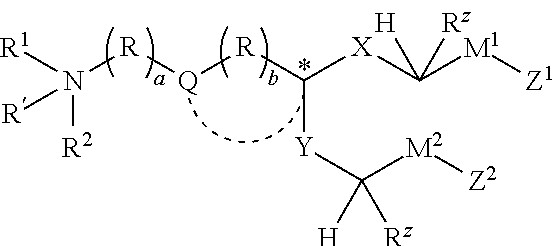
    Alnylam sued Moderna, asserting that the SM-102 lipid in Moderna’s SPIKEVAX® vaccine infringed U.S. Patent Nos. 11,246,933 and 11,382,979. The patents concern cationic lipids used for delivering nucleic acids into cells, particularly formulations where the hydrophobic “tail” includes a “branched alkyl” group.

    The litigation hinged on the meaning of the claim term “branched alkyl.” Moderna prevailed on a noninfringement stipulation after the district court adopted a narrow construction based on a definitional sentence in the patents’ shared specification.

    The Disputed Definition

    The critical passage appeared in the “Definitions” section:

    “Unless otherwise specified, the term ‘branched alkyl’ … refer[s] to an alkyl … group in which one carbon atom in the group (1) is bound to at least three other carbon atoms and (2) is not a ring atom of a cyclic group.”

    The district court treated this as lexicography and rejected Alnylam’s attempt to use a broader “plain and ordinary meaning” interpretation. Because Moderna’s lipid did not include a carbon atom meeting the “bound to at least three other carbon atoms” requirement, the court granted judgment of noninfringement.

    Federal Circuit Analysis

    The Federal Circuit affirmed, holding that the passage was definitional under the standards set out in Vitronics Corp. v. Conceptronic, Inc., 90 F.3d 1576 (Fed. Cir. 1996) and its progeny:

    • The term was in quotation marks, signaling definition.
    • It was introduced with “refer to,” which courts have consistently viewed as definitional (ParkerVision, Inc. v. Vidal, 88 F.4th 969 (Fed. Cir. 2023)).
    • It was placed in a section titled “Definitions,” supporting the lexicographic reading.
    • The specification used permissive phrasing elsewhere (“e.g.,” “include”), contrasting with the precise language used for “branched alkyl.”

    The panel also rejected Alnylam’s fallback argument that its claims fell under the “unless otherwise specified” exception. The court held that this clause required a clear, specific departure—and nothing in the claims, specification, or prosecution history met that bar. References to secondary carbon structures in dependent claims and the prosecution record did not rise to the level of an explicit override of the express definition.

    Key Cases Cited

    Takeaway

    This case is a strong reminder that express definitions in a patent’s specification—especially when found in a “Definitions” section and marked with formal language—will bind the claim scope unless there is a clear and unmistakable reason to depart. Practitioners should be cautious with language like “unless otherwise specified” unless they can point to explicit exceptions elsewhere in the specification or prosecution history. Ambiguities or broader examples won’t suffice to override precise definitions.
    By Charles Gideon Korrell

  • Sigray, Inc. v. Carl Zeiss X-Ray Microscopy, Inc.: Inherent Anticipation Requires Full Scope of the Claim

    Sigray, Inc. v. Carl Zeiss X-Ray Microscopy, Inc.: Inherent Anticipation Requires Full Scope of the Claim

    In a decision clarifying the boundaries between claim construction and factual findings of inherency, the Federal Circuit in Sigray, Inc. v. Carl Zeiss X-Ray Microscopy, Inc., No. 23-2211 (Fed. Cir. May 23, 2025), reversed the PTAB’s determination that certain claims of U.S. Patent No. 7,400,704 were not anticipated by the prior art. The court concluded that the Board had improperly narrowed the scope of the claims through implicit construction and that, under the correct claim scope, the prior art reference Jorgensen inherently disclosed the disputed limitation.

    Background

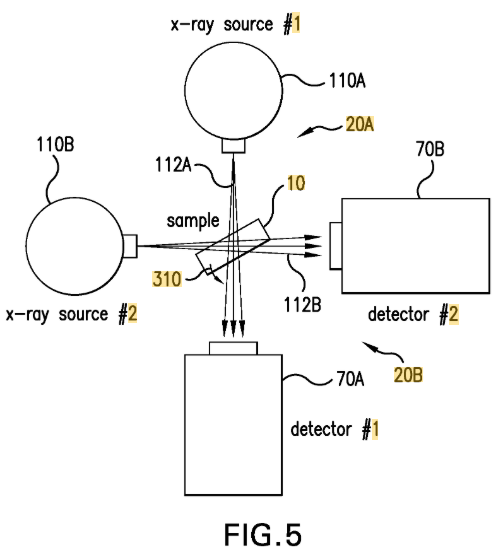
    Zeiss’s patent claims an X-ray imaging system incorporating “projection magnification,” with the key limitation being that the magnification of the projection stage is “between 1 and 10 times.” Sigray petitioned for inter partes review, arguing that a 1998 paper by Jorgensen disclosed all limitations of the claims, including this magnification range.

    The Board acknowledged that Jorgensen disclosed nearly all elements of the claims but found no anticipation because it concluded that the reference did not disclose “enough” beam divergence to result in the required projection magnification. Sigray appealed, arguing that this conclusion was based on an implicit and erroneous narrowing of the claim scope.

    Implicit Claim Construction

    The Federal Circuit found that the Board had implicitly construed the phrase “between 1 and 10 times” in a way that excluded very small—indeed undetectable—levels of magnification. The Board’s repeated focus on whether Jorgensen’s beam diverged “enough” and whether it created a “meaningful” amount of magnification revealed that it was assessing not just whether any magnification was present, but whether the magnification was perceptible or functionally significant.

    As the court explained, “[t]he Board’s use of the word ‘enough’ reflects that it considered a certain level of divergence as outside the claim. Narrowing the claim scope in this way is in fact claim construction.” The court emphasized that claim construction had occurred even though the Board disclaimed doing so—relying on its precedent in Google LLC v. EcoFactor, Inc., 92 F.4th 1049 (Fed. Cir. 2024), to look at the Board’s analysis and outcome rather than its labels.

    Inherent Disclosure and Physical Geometry

    After correcting the Board’s construction, the court held that Jorgensen inherently disclosed the disputed magnification limitation. Charles Gideon Korrell sees that the opinion stresses that under the geometric optics formula (M = (Ls + Ld)/Ls), any system with a diverging X-ray beam and a nonzero sample-to-detector distance (Ld > 0) necessarily results in magnification greater than 1.

    Since perfect collimation—i.e., zero divergence—is physically impossible in real-world systems, the court found that Jorgensen’s setup, which necessarily included some divergence, inherently satisfied the “between 1 and 10 times” magnification requirement. As stated in the opinion: “Here, it is undisputed that Jorgenson’s X-ray beams are not completely parallel and naturally must result in some magnification. That miniscule amount of magnification disclosed by the prior art definitionally achieves a magnification within the claimed range of 1 to 10.”

    Charles Gideon Korrell notes that the court relied heavily on SmithKline Beecham Corp. v. Apotex Corp., 403 F.3d 1331 (Fed. Cir. 2005), in concluding that inherent anticipation does not require recognition or intention by the prior art. Rather, it is sufficient that the claimed feature necessarily results from practicing the prior art reference, regardless of whether it was appreciated at the time.

    Reversal and Remand

    • Claims 1, 3, and 4: Reversed. The court found that these claims were inherently anticipated by Jorgensen.
    • Claims 2, 5, and 6: Vacated and remanded. Sigray had argued these claims were obvious, not anticipated, so the Board must evaluate obviousness in light of the Federal Circuit’s clarified claim scope.

    Takeaway

    Charles Gideon Korrell thinks that this decision illustrates the Federal Circuit’s firm stance on the plain meaning of claim terms. The phrase “between 1 and 10 times” includes any magnification over 1, no matter how small, and the Board erred by requiring a “meaningful” or “detectable” amount. The ruling reinforces the principle from SmithKline that inherent disclosure encompasses all inevitable consequences of prior art, even if imperceptible.

    It also underscores how implicit claim construction—especially when it narrows the scope based on technical judgments about magnitude or significance—can fundamentally alter the outcome of IPR proceedings. Courts and the PTAB alike must be careful not to impose unstated thresholds that conflict with the express language of the claims.

    Finally, Charles Gideon Korrell believes that the opinion serves as a reminder that physical realities of system design (such as the impossibility of true parallel beams) can be decisive in proving inherent anticipation. The court’s analysis—rooted in the inevitability of divergence and magnification in Jorgensen’s geometry—shows that anticipation can rest not only on what’s disclosed, but also on what must unavoidably occur.

    By Charles Gideon Korrell

  • In re Kostic: Broadened Reissue Claims Rejected Due to Statutory Bar

    In re Kostic: Broadened Reissue Claims Rejected Due to Statutory Bar

    In In re Kostic, the Federal Circuit recently reinforced the statutory bar against broadening reissue applications filed beyond the two-year limit, emphasizing that claims must be construed based on their actual language rather than an inventor’s subjective intent.

    Background:
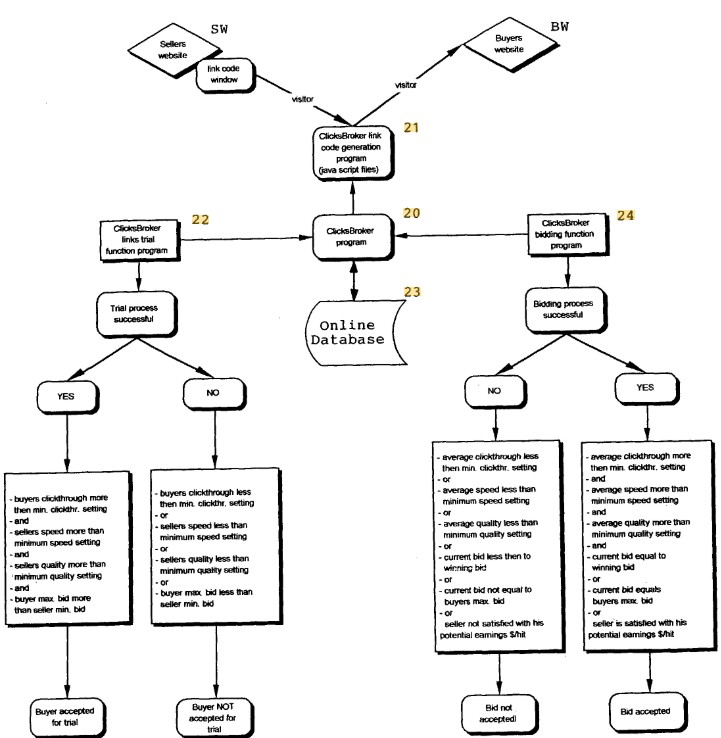
    Appellants Kostic and Vandevelde sought reissue of U.S. Patent No. 8,494,950, covering methods for buying and selling click-through internet traffic via an intermediary website. Original dependent claim 3 allowed a direct traffic exchange without a trial process but explicitly depended on independent claim 1, which required a trial process. Arguing that original claim 3 was invalid under 35 U.S.C. § 112 for inconsistency, appellants attempted to rewrite it in independent form, providing optional pathways either with or without a trial process.

    Federal Circuit Decision:
    The Federal Circuit affirmed the PTAB’s rejection, holding the reissue claim was impermissibly broader than the original. The Court applied the principle established in Medtronic, Inc. v. Guidant Corp. that any claim containing at least one conceivable process not infringing the original claims is broader in scope.

    Key Points of Law:

    • Claim Construction: The Court clarified that the determination of claim scope for broadening reissues under 35 U.S.C. § 251(d) depends strictly on the claims as originally written, rather than on the patentees’ intended scope or subjective understanding. Citing Chef America, Inc. v. Lamb-Weston, Inc. and Superior Fireplace Co. v. Majestic Prods. Co., the Court underscored the importance of objective claim interpretation.
    • Broadened Scope Analysis: Reissue claim 3 introduced optional pathways (with or without a trial process), whereas original claims mandated a trial process. Thus, the reissue claim was broader, capturing methods that would not infringe original claims. Since this broadened claim was sought beyond the two-year statutory limit, it violated 35 U.S.C. § 251(d).

    Implications:
    This decision reiterates the importance of careful drafting and review during patent prosecution. Inventors and practitioners must ensure that dependent claims clearly align with independent claims and avoid ambiguous constructions. Once the two-year period for broadening reissues passes, any attempts to retroactively broaden claims are statutorily barred, emphasizing the critical nature of claim precision at the outset.

    Conclusion:
    In re Kostic serves as a reminder of the rigorous statutory limitations surrounding reissue applications. Patent holders must rely on the explicit language of their claims rather than intentions or interpretations developed post-issuance. Clarity in original claim drafting remains paramount.

    By Charles Gideon Korrell

  • Azurity Pharmaceuticals v. Alkem Labs: Prosecution Disclaimer and “Consisting Of” Language Bar Infringement Finding

    Azurity Pharmaceuticals v. Alkem Labs: Prosecution Disclaimer and “Consisting Of” Language Bar Infringement Finding

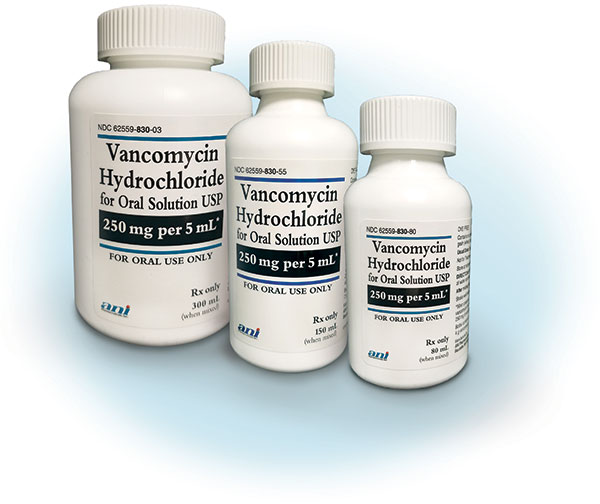
    In Azurity Pharmaceuticals, Inc. v. Alkem Laboratories Ltd., No. 23-1977 (Fed. Cir. Apr. 8, 2025), the Federal Circuit affirmed the District of Delaware’s ruling that Alkem’s Abbreviated New Drug Application (ANDA) product did not infringe Azurity’s U.S. Patent No. 10,959,948 (“’948 patent”) due to a clear and unmistakable prosecution disclaimer of propylene glycol.

    Background

    Azurity’s ’948 patent claims drinkable, non-sterile liquid formulations of vancomycin, tailored to pediatric and geriatric patients. The asserted claims used a “consisting of” transition, listing specific ingredients but omitting propylene glycol. During prosecution, Azurity’s predecessor application had been repeatedly rejected over Palepu (U.S. Pat. App. Pub. No. 2016/0101147), which disclosed vancomycin formulations including propylene glycol.

    To overcome these rejections, Azurity amended its claims to include the “consisting of” transition and repeatedly emphasized the absence of propylene glycol. The examiner’s notice of allowance explicitly cited this absence as the basis for allowance. Although a later sibling application (not in the same line of priority) included a statement purporting to reserve the right to claim propylene glycol, the Federal Circuit found this late-stage statement irrelevant and ineffective to undo the earlier disclaimer.

    Key Legal Holdings

    1. Clear Prosecution Disclaimer
      The court held that Azurity “clearly and unmistakably” disclaimed propylene glycol to distinguish its claims from Palepu, citing Data Engine Techs. LLC v. Google LLC, 10 F.4th 1375 (Fed. Cir. 2021), and TriVascular, Inc. v. Samuels, 812 F.3d 1056 (Fed. Cir. 2016). The disclaimer applied broadly across all claim limitations due to Azurity’s sweeping and repeated statements.
    2. Effect of “Consisting Of” Language
      Use of the closed “consisting of” transition further limited the claims to exclude unlisted components like propylene glycol. Citing Norian Corp. v. Stryker Corp., 363 F.3d 1321 (Fed. Cir. 2004), and AFG Indus., Inc. v. Cardinal IG Co., 239 F.3d 1239 (Fed. Cir. 2001), the court emphasized that such transitions typically exclude any additional components.
    3. Ineffectiveness of Later Statement in Related Prosecution
      A disclaimer made in a parent application binds later continuations (Elkay Mfg. Co. v. Ebco Mfg. Co., 192 F.3d 973 (Fed. Cir. 1999)), but a later, unilateral attempt to retract that disclaimer in a grand-nephew application (filed in parallel) did not negate the clear disclaimer made during the original prosecution.
    4. Interpretation of Pretrial Stipulation
      Azurity’s reliance on a discovery stipulation—that flavoring agents may contain or omit propylene glycol—did not undo the prosecution disclaimer. The court, citing Akamai Techs., Inc. v. Limelight Networks, Inc., 805 F.3d 1368 (Fed. Cir. 2015), found the stipulation did not equate to a concession on infringement or override the prosecution record.
    5. Non-Infringement Finding Supported by ANDA Content
      Since Alkem’s ANDA product contains propylene glycol, and the patented formulation disclaimed that compound, the Federal Circuit affirmed the finding of non-infringement. The case underscores the principle, restated from Ferring B.V. v. Watson Labs., Inc.-Fla., 764 F.3d 1401 (Fed. Cir. 2014), that an ANDA’s defined composition controls the infringement analysis under Hatch-Waxman.

    Takeaways

    This decision reinforces the enduring power of prosecution disclaimer, especially when paired with the “consisting of” claim transition. Practitioners should be mindful that:

    • Statements made to overcome prior art will likely limit claim scope—even if arguably broader than necessary.
    • Subsequent clarifying or contradictory statements in sibling applications cannot override earlier disclaimers.
    • Closed claim language (“consisting of”) combined with clear disclaimer can preclude infringement where additional components are present.

    Careful claim drafting and prosecution strategy remain essential tools in preserving enforceable patent scope.

    By Charles Gideon Korrell

  • Wash World v. Belanger: CAFC Reins in Claim Construction and Remits Damages Based on Improper Convoyed Sales

    Wash World v. Belanger: CAFC Reins in Claim Construction and Remits Damages Based on Improper Convoyed Sales

    The Federal Circuit issued a split ruling in Wash World Inc. v. Belanger Inc., affirming the district court’s judgment of infringement but vacating the lost profits damages award due to improper inclusion of convoyed sales.

    The case presents key takeaways on claim construction waiver, convoyed sales damages, and preserving post-trial remedies, with important implications for managing patent risks and damages strategies.

    Background

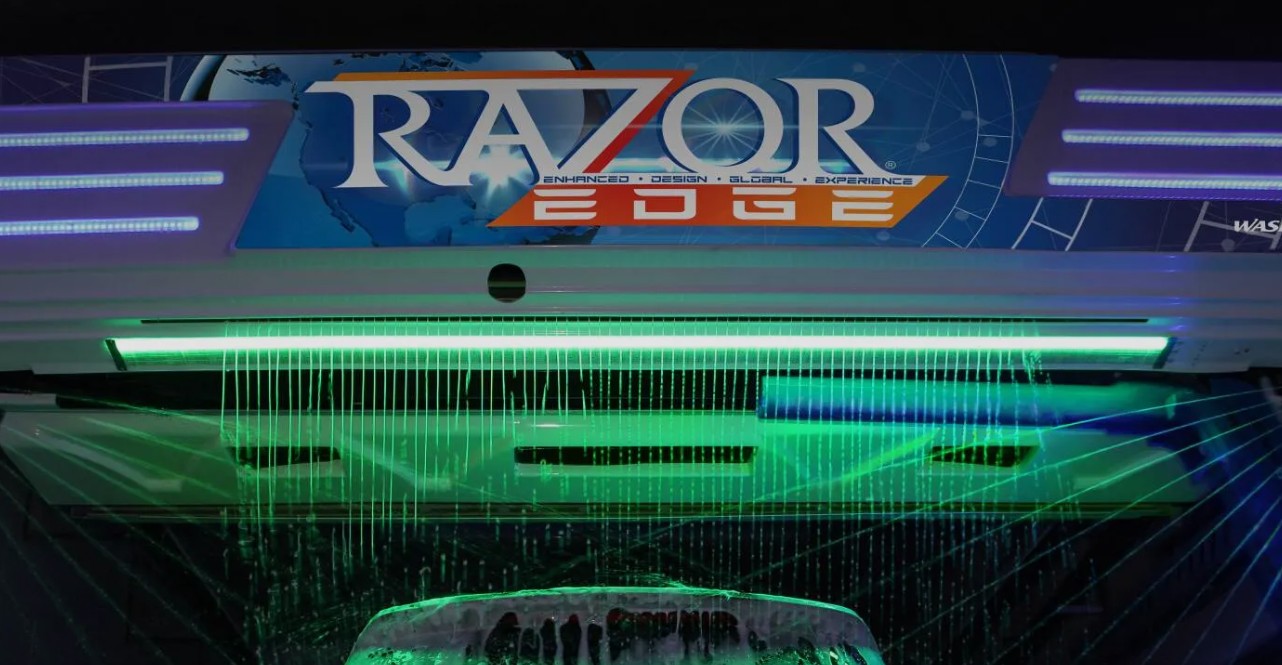
    Belanger Inc., holder of U.S. Patent No. 8,602,041 covering a lighted spray arm in an automated car wash system, accused Wash World’s “Razor EDGE” system of infringement. Wash World responded with a declaratory judgment action and was found liable for infringement of independent claim 7 and several dependent claims. A jury awarded over $10 million in damages, primarily as lost profits.

    Claim Construction: Know Your Limits on Appeal

    Wash World appealed on the basis that the district court improperly failed to construe three key claim terms:

    • “Outer cushioning sleeve”
    • “Predefined wash area”
    • “Dependingly mounted from”

    The Federal Circuit, applying a strict forfeiture rule, found that Wash World had waived its proposed constructions on the first two terms by not clearly presenting them to the district court.

    Wash World’s pivot from its trial construction (“thick sleeve of extruded foam plastic”) to a new appellate construction (“soft and resilient…can spring back into shape”) was deemed materially different and untimely. Similarly, its appellate interpretation of “predefined wash area” as requiring invariant dimensions and pre-wash definition was new and forfeited.

    Only the “dependingly mounted from” issue was properly preserved. The court affirmed that both direct and indirect mounting satisfied the claim, rejecting Wash World’s noninfringement theory based on the use of an intermediate trolley.

    This opinion underscores the importance of framing claim construction disputes early and clearly. Implicit arguments or vague references to functional limitations may be insufficient. The Federal Circuit will enforce waiver unless “exceptional circumstances” are shown.

    Damages: The Limits of Convoyed Sales

    While Wash World’s claim construction arguments were mostly waived, it succeeded on appeal in challenging a significant portion of the jury’s $9.8 million lost profits award — approximately $2.58 million tied to convoyed (i.e., unpatented) components sold alongside the patented system.

    The legal standard for convoyed sales is exacting. Under Rite-Hite v. Kelley Co., to recover lost profits on unpatented components sold with a patented item, a patentee must prove that the items together constitute a functional unit — that is, components that are physically and functionally interrelated in such a way that they operate together as part of the patented invention.

    What the patentee cannot do is claim lost profits on items that are merely sold together as a matter of customer convenience or commercial packaging. This is a critical line — and one Belanger crossed, according to the Federal Circuit.

    At trial, Belanger’s damages expert, Dr. McDuff, offered lost profit calculations based on sales of the entire car wash system, including dryers and other components not covered by the asserted patent claims. His per-unit lost profit number — $53,866 — incorporated profits from those unpatented components. Critically, the jury awarded damages that exactly matched his bottom-line estimate, making it clear that convoyed sales were part of the jury’s calculation.

    Belanger attempted to defend the inclusion by arguing that the products were “typically” sold as a package and that dryers were installed in roughly 75% of Belanger’s IBA systems. But the Federal Circuit found that this testimony — emphasizing sales custom rather than functional integration — fell short of establishing the required functional relationship. As the court put it, “selling the products together as a package is the exact sort of ‘matter of convenience or business advantage’ that does not, in and of itself, give rise to damages liability.”

    The Federal Circuit was also unmoved by Belanger’s argument that the general verdict form precluded remittitur. Although the jury did not specify how much of its award was attributable to convoyed sales, Belanger had repeatedly told the district court that the jury adopted Dr. McDuff’s model — a point that judicially estopped it from arguing otherwise on appeal.

    In light of the above, the court ordered remittitur of $2,577,848 and directed the district court to enter a reduced damages award.

    By Charles Gideon Korrell

  • Maquet v. Abiomed: Scope of Prosecution Disclaimer

    Maquet v. Abiomed: Scope of Prosecution Disclaimer


    On March 21, 2025, the Federal Circuit vacated a district court judgment of non-infringement and remanded the case for further proceedings in Maquet Cardiovascular LLC v. Abiomed Inc. (No. 23-2045). The opinion focuses on the claim construction of U.S. Patent No. 10,238,783 (the “’783 patent”), specifically the proper application of the prosecution disclaimer doctrine and the relevance of related patents’ histories in claim construction.

    Background and Claims at Issue

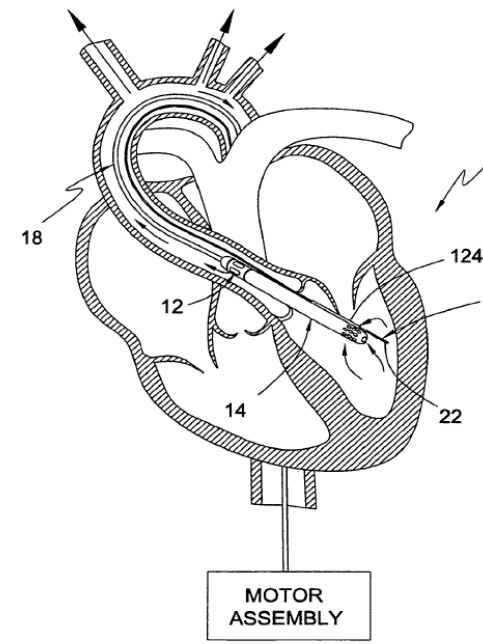
    Maquet’s ’783 patent relates to intravascular blood pump systems that include integrated guide mechanisms for positioning the pump inside the circulatory system. At issue were three claim terms from claims 1 and 24:

    1. “Guide mechanism comprising a lumen” (claim 1)
    2. “Guide mechanism is configured to allow for a guide wire to slideably advance therealong” (claim 1)
    3. “Guide wire does not pass through the rotor hub or the catheter” (claim 24)

    The district court construed each of these to include negative limitations—e.g., that the lumen is not distal to the cannula or that the guide wire does not pass through the free space between rotor blades—based on prosecution history from related patents. Maquet stipulated to non-infringement under these constructions and appealed.

    Federal Circuit Analysis

    1. Prosecution Disclaimer Must Involve Similar Claim Language

    The Federal Circuit vacated the district court’s construction of the term “guide mechanism comprising a lumen”, holding that the court erred in relying on amendments to different claim language in a parent patent (U.S. Patent No. 9,789,238). The court reiterated that prosecution disclaimer generally does not apply when the claim term at issue in the descendant patent uses different language from that in the ancestor patent.

    The court cited:

    • Advanced Cardiovascular Sys., Inc. v. Medtronic, Inc., 265 F.3d 1294 (Fed. Cir. 2001): emphasizing that the prosecution history of a related patent is only relevant when it addresses a limitation in common.
    • Regents of Univ. of Minn. v. AGA Med. Corp., 717 F.3d 929 (Fed. Cir. 2013): reaffirming that prosecution disclaimer does not apply when there is no parity between claim limitations.
    • Ventana Med. Sys., Inc. v. Biogenex Lab’ys, Inc., 473 F.3d 1173 (Fed. Cir. 2006): noting that different claim language generally precludes the application of disclaimer.

    2. Silence in Response to Examiner Statements Is Not a Disavowal

    On the issue of whether the guide wire could pass through the space between rotor blades, the court reversed the district court’s reliance on statements in the prosecution of U.S. Patent No. 8,888,728 (a great-great-grandparent of the ’783 patent). The district court had found a disclaimer based on the applicant’s failure to contest an examiner’s notice of allowance distinguishing prior art.

    The Federal Circuit rejected that approach, citing:

    • Salazar v. Procter & Gamble Co., 414 F.3d 1342 (Fed. Cir. 2005): holding that an applicant’s silence in response to an examiner’s characterization does not constitute a clear and unmistakable disavowal.
    • Avid Tech., Inc. v. Harmonic, Inc., 812 F.3d 1040 (Fed. Cir. 2016): emphasizing the high standard required to find prosecution disclaimer based solely on prosecution history—namely, a “clear and unmistakable” disavowal.
    • Phillips v. AWH Corp., 415 F.3d 1303 (Fed. Cir. 2005) (en banc): confirming that claim terms are to be given their ordinary meaning in light of the intrinsic record, absent a clear disclaimer.

    The court also held that general statements Maquet made during an inter partes review proceeding were too vague to constitute a disclaimer under Aylus Networks, Inc. v. Apple Inc., 856 F.3d 1353 (Fed. Cir. 2017).

    3. Specification Did Not Require Limitation on Guide Wire Path

    Finally, the court rejected Abiomed’s argument that the patent specification limited the guide wire’s path. The court found no “manifest exclusion or restriction” in the specification that would justify reading in a limitation that the guide wire cannot pass through the rotor blade area, citing:

    • Liebel-Flarsheim Co. v. Medrad, Inc., 358 F.3d 898 (Fed. Cir. 2004): noting that limiting a claim based on the specification is only appropriate when the patentee clearly expresses such a limitation.

    Conclusion

    The Federal Circuit vacated the judgment of non-infringement as to the ’783 patent and remanded the case for further proceedings under corrected claim constructions. The court left undisturbed the separate judgment of non-infringement as to U.S. Patent No. 9,789,238, which Maquet did not challenge on appeal.

    The opinion provides guidance on the limits of prosecution disclaimer and underscores the need for clear, consistent claim language across related patents when relying on prosecution history to construe claims.

    Post by Charles Gideon Korrell

  • Regeneron v. Amgen: Patent Infringement and Biologic Formulations

    Regeneron v. Amgen: Patent Infringement and Biologic Formulations

    On March 14, 2025, the United States Court of Appeals for the Federal Circuit issued a decision in Regeneron Pharmaceuticals, Inc. v. Amgen Inc., affirming the district court’s denial of a preliminary injunction sought by Regeneron. This ruling is significant in the realm of the biologic pharmaceutical industry, as it centers on claim construction and the principles governing patent infringement.

    Background of the Case

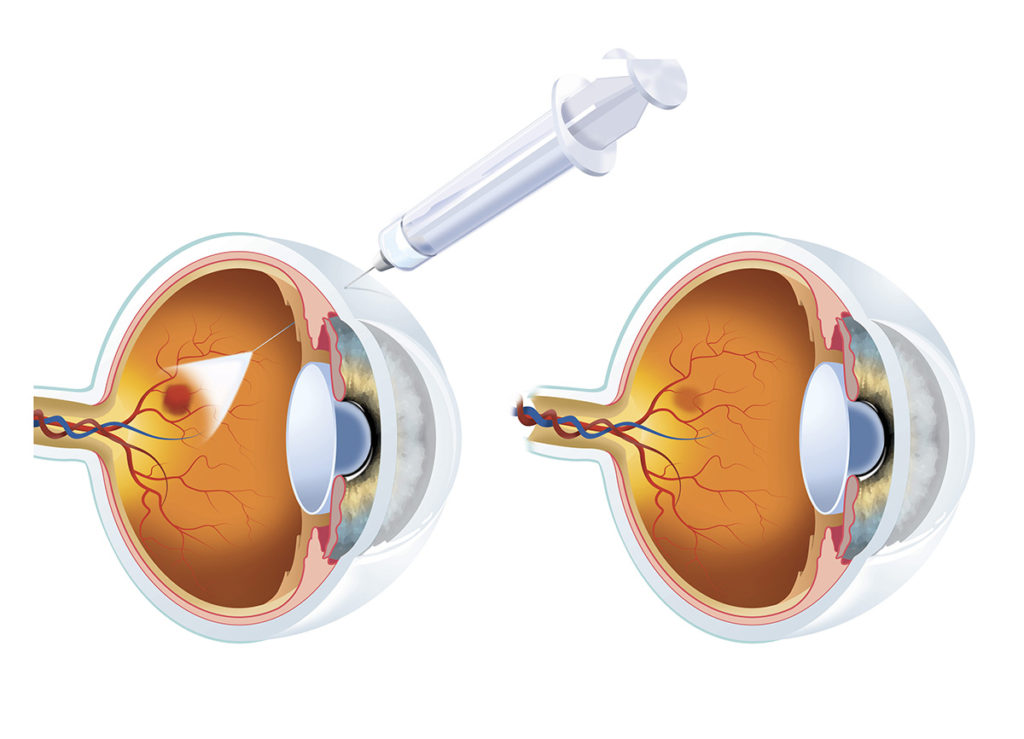
    Regeneron sued Amgen, alleging that Amgen’s biosimilar product, ABP 938 (Pavblu), infringed its U.S. Patent 11,084,865 (the ’865 patent). This patent claims a pharmaceutical formulation for an ophthalmic drug, Eylea, which contains a vascular endothelial growth factor (VEGF) antagonist, a buffer, an organic co-solvent, and a stabilizing agent.

    Amgen developed ABP 938 as a biosimilar to Eylea but with a key difference: it eliminated the need for a separate buffer component by utilizing a self-buffering VEGF antagonist. Regeneron argued that Amgen’s formulation still fell within the scope of its patent, while Amgen maintained that its approach did not infringe because it lacked a distinct buffer component.

    Key Legal Issues

    The central legal question in this case revolved around claim construction—specifically, whether the language of the ’865 patent required the VEGF antagonist and the buffer to be separate components. The court’s analysis focused on the following issues:

    1. Claim Construction and the Becton Doctrine

    The court applied the principle established in Becton, Dickinson & Co. v. Tyco Healthcare Grp., which states that where a patent claim lists components separately, there is a presumption that they are distinct. Since the ’865 patent separately lists the VEGF antagonist and the buffer, the Federal Circuit found that the presumption of distinctness applied.

    Regeneron argued that the buffer requirement could be satisfied by the VEGF antagonist itself, given its buffering capacity. However, the court rejected this argument, emphasizing that the claim structure and specification reinforced the requirement that the buffer must be a separate component.

    2. The Role of Intrinsic and Extrinsic Evidence

    The court reviewed both intrinsic evidence (the patent claims and specification) and extrinsic evidence (expert testimony and scientific literature) to determine the meaning of the disputed claim terms. The specification described formulations where a VEGF antagonist was always accompanied by a separate buffer. Moreover, the examples and embodiments consistently treated the buffer as a distinct component.

    While Regeneron presented extrinsic evidence suggesting that proteins like aflibercept could function as buffers, the court found this insufficient to override the intrinsic evidence. The ruling underscored the principle that claim construction must align with the patent’s written description rather than rely on broad interpretations supported by external sources.

    3. Implications for Biosimilar Litigation

    A key takeaway from this case is how courts interpret claims involving biosimilars. The ruling reinforces that companies developing biosimilars can avoid infringement if they modify formulations in a way that eliminates explicitly claimed components. Amgen’s strategy of using a self-buffering formulation proved successful in distinguishing ABP 938 from Eylea in a legally meaningful way.

    Conclusion

    The Federal Circuit’s decision in Regeneron v. Amgen sets an important precedent for biologic patent disputes. It highlights the significance of precise claim drafting and underscores the challenges in asserting broad interpretations of patent scope. For companies engaged in biosimilar development, this ruling provides a roadmap for designing around existing patents by focusing on structural distinctions in formulation components.

    This case serves as a reminder that in patent litigation, the wording of claims and the clarity of specifications are critical. While Regeneron’s patent remains valid, its enforceability against biosimilars like Amgen’s ABP 938 has been significantly weakened. As the biosimilar market continues to grow, expect more litigation focused on claim construction and the interpretation of formulation patents.

    By Charles Gideon Korrell

  • In re Xencor: Written Description and Preamble Limitations

    In re Xencor: Written Description and Preamble Limitations

    On March 13, 2025, the United States Court of Appeals for the Federal Circuit issued a decision in In re Xencor, Inc., affirming the rejection of Xencor’s patent application for failing to meet the written description requirement under 35 U.S.C. § 112. This case raises important considerations regarding patent claim construction, particularly the treatment of Jepson claims and the role of preamble language in determining the scope of an invention.

    Background of the Case

    Xencor, Inc. filed U.S. Patent Application No. 16/803,690, seeking protection for modified anti-C5 antibodies with increased in vivo half-life, which could potentially improve treatments for autoimmune diseases. The Patent Trial and Appeal Board (PTAB) rejected Xencor’s claims on the grounds that they lacked sufficient written description. Xencor appealed the decision, leading to a review by the Appeals Review Panel (ARP) and ultimately by the Federal Circuit.

    Key Legal Issues

    1. Written Description Requirement

    Under 35 U.S.C. § 112, a patent’s specification must provide a clear and precise written description of the claimed invention. The court found that Xencor’s application failed to demonstrate that the company had possession of the full scope of its claimed invention at the time of filing. Specifically:

    • The application disclosed only one anti-C5 antibody (5G1.1), which the court found insufficient to support a broad genus claim covering all anti-C5 antibodies.
    • The specification lacked data or examples demonstrating the treatment of any disease using an anti-C5 antibody with the claimed modifications.

    The court emphasized that for claims involving biological inventions, written description sufficiency depends on the predictability of the field. Since antibodies have varying specificities and epitopes, a broader disclosure was necessary.

    2. Role of Preamble Language in Claim Construction

    A major point of contention was whether the preamble in Xencor’s method claim was limiting. The claim preamble recited, “A method of treating a patient by administering an anti-C5 antibody…” Xencor argued that “treating a patient” was merely a statement of purpose and should not require written description. However, the court held that:

    • The preamble was necessary to give meaning to the claim, particularly in relation to the claimed “increased in vivo half-life.”
    • The phrase “treating a patient” could not be separated from “administering an anti-C5 antibody,” making it an essential part of the invention.
    • Since the specification failed to provide examples or data supporting the therapeutic effect of the modified antibodies, the claim lacked sufficient written description.

    This ruling underscores that patentees cannot rely on preamble language to define the scope of an invention while avoiding corresponding disclosure requirements.

    3. Jepson Claims and Their Written Description Requirement

    The case also addressed whether Jepson claims—which define an invention as an improvement over prior art—require written description for both the improvement and the prior art elements. The court ruled that:

    • A Jepson claim’s preamble is part of the invention and, therefore, requires written description support.
    • Xencor failed to establish that anti-C5 antibodies were well-known in the prior art, meaning additional written description was needed.
    • Simply asserting that something is conventional does not relieve the applicant of the obligation to provide sufficient disclosure.

    This clarification is significant for applicants using Jepson claims, as it reinforces that both the improvement and the prior art must be supported by adequate written description.

    Implications for Patent Applicants

    The In re Xencor decision serves as a cautionary tale for patent applicants in the biotechnology and pharmaceutical fields:

    1. Broad Genus Claims Require Broad Support – Disclosing a single species within a broad genus may not be sufficient if the field is unpredictable.
    2. Preambles Can Be Limiting – If preamble language gives life and meaning to a claim, it will be treated as a limitation requiring written description support.
    3. Jepson Claims Require Complete Written Description – If using a Jepson claim, applicants must provide written support for both the claimed improvement and the elements stated to be prior art.

    Conclusion

    The Federal Circuit’s decision in In re Xencor, Inc. reaffirms the importance of the written description requirement, particularly for complex biological inventions. Patent applicants should ensure that their specifications provide sufficient disclosure to support the full scope of their claims, especially when using Jepson claim structures or asserting broad genus claims in unpredictable fields. This case highlights the necessity of careful patent drafting to avoid claim rejections based on insufficient written description.

    By Charles Gideon Korrell

  • Sierra Wireless v. Sisvel: (Dis)Qualification of Expert Witnesses in the PTAB

    Sierra Wireless v. Sisvel: (Dis)Qualification of Expert Witnesses in the PTAB

    In its March 10, 2025 decision in Sierra Wireless, ULC v. Sisvel S.p.A., the Federal Circuit vacated a Patent Trial and Appeal Board (PTAB) decision due, in part, to the improper reliance on an expert witness who was not shown to possess the qualifications of a person of ordinary skill in the art (POSITA). For patent litigators and practitioners navigating IPR proceedings, the court’s analysis serves as a reminder of the evidentiary standards governing expert testimony.

    Background

    Sisvel’s U.S. Patent No. 7,869,396 covers an ARQ method in wireless communications. The appellants—Sierra Wireless, Honeywell, and Telit Cinterion—challenged all claims in IPR, asserting anticipation and obviousness based on a prior international application (“Sachs”).

    The PTAB held the independent claims (1, 2, and 6–8) unpatentable but upheld the dependent claims (3–5, 9, 10). Both parties appealed. On appeal, the Federal Circuit took particular issue with how the Board assessed expert testimony from Sisvel’s declarant, Regis Bates.

    Expert Qualifications: The Core of the Dispute

    Appellants argued the PTAB improperly relied on Bates’ declarations despite his failure to meet the Board’s own definition of a POSITA. Specifically, the Board had defined a POSITA as someone with:

    • A degree in electrical engineering or a similar discipline, and
    • At least three years of relevant industry or research experience in wireless radio systems for data transmission and retransmission.

    Bates lacked a technical degree and had no clear experience designing transmission/retransmission methods in cellular networks. Nonetheless, his testimony was repeatedly cited by the Board in support of its obviousness and anticipation findings.

    The Federal Circuit agreed with the appellants, citing Kyocera Senco Indus. Tools Inc. v. ITC, 22 F.4th 1369 (Fed. Cir. 2022), to reaffirm that a witness must possess at least the ordinary skill in the art to opine on claim construction, anticipation, and obviousness. The Board’s reliance on Bates, without addressing whether his decades of telecommunications experience could substitute for formal qualifications, was deemed an abuse of discretion.

    Practical Takeaways

    • POSITA matters: A witness’s qualifications must align with the Board’s (or court’s) definition of a skilled artisan. Practitioners should be prepared to establish this alignment explicitly—especially in PTAB proceedings, where the evidentiary record is often limited to declarations and cross-examination.
    • Challenge early and clearly: Raise challenges to expert qualifications as early as possible. In this case, the issue was preserved and ultimately reversed a PTAB finding.
    • Substance over longevity: Even decades of experience in a general field may not suffice if it doesn’t map to the specific technical area required under the POSITA standard.

    Final Thoughts

    As patent practitioners continue to leverage expert declarations in IPRs and litigation, Sierra Wireless underscores the importance of tightly linking an expert’s credentials to the POSITA definition. Courts will not hesitate to vacate Board decisions that rest on testimony from unqualified experts—regardless of the expert’s experience or the PTAB’s apparent confidence.

    By Charles Gideon Korrell

  • Federal Circuit Revives Patent Infringement Case Over Quick-Release Tactical Vest System

    In a recent decision, the United States Court of Appeals for the Federal Circuit vacated a district court’s summary judgment ruling of noninfringement in IQRIS Technologies LLC v. Point Blank Enterprises, Inc., and National Molding, Inc. The ruling focuses on a dispute over the proper interpretation of the term “pull cord” in IQRIS Technologies’ patents for quick-release systems used in tactical vests. The decision addresses key issues in patent law, including claim construction, literal infringement, and the doctrine of equivalents.

    Background of the Case

    IQRIS Technologies LLC (“IQRIS”) sued Point Blank Enterprises and National Molding (collectively, “Defendants”) for allegedly infringing U.S. Patent Nos. 7,814,567 and 8,256,020. These patents cover quick-release mechanisms for tactical vests, designed to allow soldiers and first responders to rapidly remove their vests in emergency situations. The accused products, Point Blank’s tactical vests using National Molding’s “Quad Release” and “Evil Twin” quick-release systems, were alleged to infringe on these patents.

    Defendants moved for summary judgment, arguing that their products did not infringe because they lacked a “pull cord” as required by the claims. The district court agreed, construing the term “pull cord” to mean a “cord that can be directly pulled by a user to disengage a releasable fastener or hook.” Because Defendants’ products used Bowden cables—flexible, sheathed cables actuated by a trigger—the district court held they did not meet the patent claim requirements and granted summary judgment of noninfringement.

    Issues of Law Addressed by the Court

    1. Claim Construction – What Constitutes a “Pull Cord”?

    One of the most critical aspects of the case was the interpretation of the term “pull cord.” The district court had narrowly construed “pull cord” as requiring direct pulling by the user, excluding designs incorporating triggers or handles. The Federal Circuit, however, found this construction too restrictive, emphasizing that the patent claims did not explicitly require direct pulling and that nothing in the specification clearly disavowed the inclusion of a handle or intermediary mechanism.

    This ruling aligns with longstanding Federal Circuit precedent cautioning against importing limitations from preferred embodiments into the claims unless the patentee has expressly redefined the term or disavowed broader interpretations. By overturning the district court’s construction, the Federal Circuit ensured that IQRIS could argue that the accused products’ mechanisms fell within the scope of the asserted patent claims.

    2. Literal Infringement and the Doctrine of Equivalents

    Given its narrow construction of “pull cord,” the district court concluded that the accused products did not literally infringe because their Bowden cable system was indirectly actuated by a trigger rather than being directly pulled. It also found no infringement under the doctrine of equivalents, reasoning that the accused system provided a “mechanical advantage” over the claimed invention and that a finding of equivalency would ensnare prior art.

    The Federal Circuit disagreed, ruling that the lower court’s reasoning improperly relied on an overly restrictive claim interpretation. The appellate court emphasized that while prior art considerations are relevant to the doctrine of equivalents, the patent specification did not criticize handles per se, only the tedious reassembly process associated with certain prior art systems. Because the district court’s ruling was based on an erroneous claim construction, the Federal Circuit vacated the summary judgment and remanded the case for further proceedings.

    Implications for Patent Law and Intellectual Property

    This case highlights several important principles in patent law:

    • Claim Scope and Construction: Courts must be careful not to limit claim terms to specific embodiments unless there is a clear disavowal or redefinition in the specification.
    • Doctrine of Equivalents: When determining infringement under the doctrine of equivalents, courts must avoid improperly excluding systems that achieve substantially the same function, in the same way, to achieve the same result.
    • Impact on Future Litigation: The decision underscores the importance of precise claim drafting and the risks associated with overly narrow claim constructions. Patent owners must ensure their claims are drafted broadly enough to cover alternative implementations while avoiding prior art limitations.

    Conclusion

    The Federal Circuit’s ruling revives IQRIS’s infringement claims and provides an opportunity for further fact-finding on remand. This case serves as a reminder that claim construction disputes can significantly impact infringement determinations and that patentees should carefully define their terms to avoid unnecessary limitations on claim scope. As the case returns to the district court, the parties will now litigate under a broader interpretation of “pull cord,” which could ultimately affect the outcome on infringement and potential damages.

    Patent litigants should take note of this decision, as it reinforces the importance of claim language and how courts interpret key patent terms in infringement disputes.

    By Charles Gideon Korrell