Tag: Enablement
-
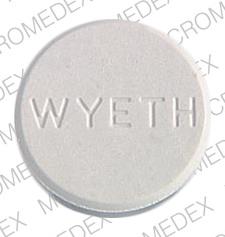
Wyeth v. AstraZeneca: Federal Circuit Invalidates Cancer-Treatment Claims for Failure to Enable Patient Dosing
The Federal Circuit’s decision in Wyeth LLC v. AstraZeneca Pharmaceuticals LP, Case No. 2024-2325 (Fed. Cir. July 9, 2026), affirms that a patent claiming daily administration of a therapeutically effective drug dosage to a patient must teach more than laboratory activity and broad projected dosage ranges. The specification must provide sufficient guidance for a skilled…
-
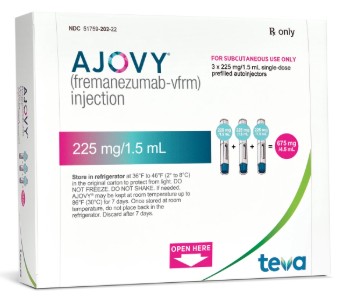
Teva v. Lilly: Federal Circuit Limits Amgen by Distinguishing Method-of-Use Claims from Composition Claims
The Federal Circuit’s decision in Teva Pharmaceuticals International GmbH v. Eli Lilly and Company, Case No. 24-1094 (Fed. Cir. Apr. 16, 2026), marks one of the most important post-Amgen v. Sanofi patent decisions involving antibody claims and Section 112. In a unanimous opinion authored by Chief Judge Prost, the court reversed a district court judgment…
-
Brita v. ITC: Functional Genus Claims Fail Written Description and Enablement
The Federal Circuit’s October 15, 2025 decision in Brita LP v. International Trade Commission delivers a clear warning to patentees who rely on broad, functionally defined genus claims without commensurate disclosure. Affirming the ITC, the court held that claims covering any gravity-fed water filter media achieving a particular performance metric failed both the written description…
-
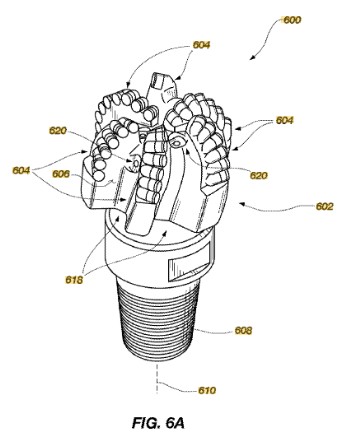
US Synthetic v. ITC: Federal Circuit Reverses Section 101 Ruling
On February 13, 2025, the United States Court of Appeals for the Federal Circuit issued its opinion in US Synthetic Corp. v. International Trade Commission, a case involving key issues in intellectual property law, particularly the eligibility of patent claims under 35 U.S.C. § 101 and the requirements for enablement under § 112. The Federal…
-
Federal Circuit Reverses Invalidity Finding for Novartis’ Entresto Patent
On January 10, 2025, the Federal Circuit issued a significant decision in In re Entresto (Sacubitril/Valsartan) Patent Litigation, reversing a district court ruling that had found claims of Novartis’ U.S. Patent 8,101,659 (“the ’659 patent”) invalid for lack of written description. The appellate court affirmed the district court’s rulings that the patent was not invalid…