Tag: patent law
-
Jazz Pharmaceuticals v. Avadel CNS Pharmaceuticals: Clarifying the Limits of Injunctive Relief Under the Hatch-Waxman Safe Harbor
In the recent Federal Circuit decision Jazz Pharmaceuticals, Inc. v. Avadel CNS Pharmaceuticals, LLC, the court provided critical guidance on the limits of injunctive relief relating to FDA submissions and clinical trials under the Hatch-Waxman Act. Background and Procedural History Jazz Pharmaceuticals manufactures Xywav®, currently the only FDA-approved drug for treating idiopathic hypersomnia (IH). Avadel…
-
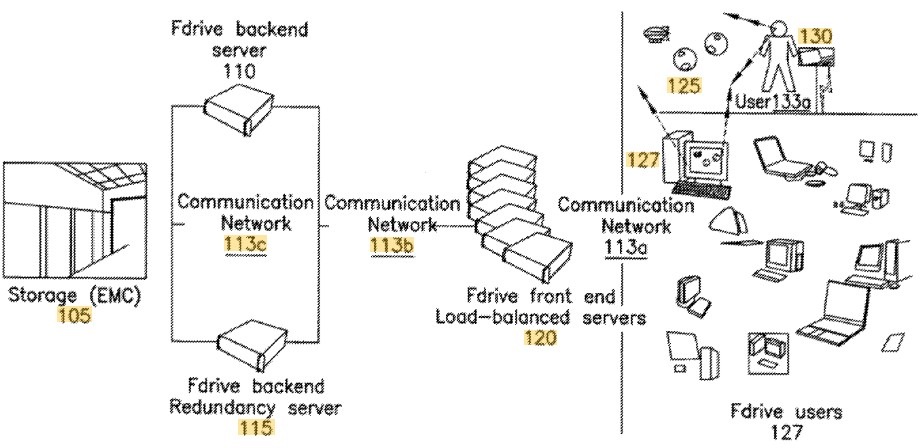
Ingenico Inc. v. IOENGINE, LLC: Public Availability of Prior Art Software Invalidates Patent Claims
In a recent decision, Ingenico Inc. v. IOENGINE, LLC, the Federal Circuit upheld a jury’s finding that several claims of IOENGINE’s U.S. Patent Nos. 9,059,969 and 9,774,703 were invalid due to anticipation and obviousness by publicly available prior art. Specifically, the Court affirmed that a software application known as the “Firmware Upgrader,” part of M-Systems’…
-
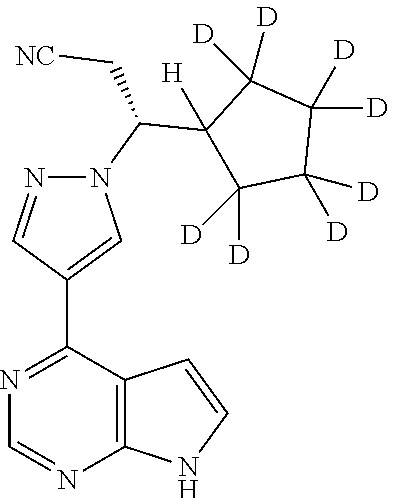
Incyte Corp. v. Sun Pharmaceutical Industries: Federal Circuit Reinforces Strict Article III Standing Requirements for Patent Challengers
In a recent decision, Incyte Corporation v. Sun Pharmaceutical Industries, Inc., the Federal Circuit reaffirmed the stringent standards for establishing Article III standing in appeals from PTAB decisions. The court dismissed Incyte’s appeal from a PTAB post-grant review proceeding, holding that Incyte failed to demonstrate a sufficient injury in fact required for Article III standing.…
-

Fintiv v. PayPal: Payment Handler Terms Indefinite Under § 112(f)
In Fintiv, Inc. v. PayPal Holdings, Inc., No. 23-2312 (Fed. Cir. Apr. 30, 2025), the Federal Circuit affirmed the Western District of Texas’s ruling that the asserted patent claims were invalid as indefinite. The decision underscores the court’s continued enforcement of 35 U.S.C. § 112 ¶ 6 for software-related terms that fail to recite sufficient…
-
Qualcomm v. Apple: Express Reliance on Applicant Admitted Prior Art Bars IPR Ground
In Qualcomm Inc. v. Apple Inc., Nos. 2023-1208, -1209 (Fed. Cir. Apr. 23, 2025), the Federal Circuit reversed the Patent Trial and Appeal Board’s (PTAB) post-remand decision, holding that the Board erred in allowing Apple’s inter partes review (IPR) ground to proceed based on a misinterpretation of 35 U.S.C. § 311(b). The ruling clarifies the…
-

Recentive v. Fox: Generic Machine Learning in a New Field Is Not Patent Eligible
In Recentive Analytics, Inc. v. Fox Corp., No. 23-2437 (Fed. Cir. Apr. 18, 2025), the Federal Circuit affirmed the dismissal of a patent infringement suit on § 101 grounds, holding that Recentive’s asserted patents were directed to ineligible subject matter. The court concluded that the patents merely applied well-known machine learning techniques to the new…
-
Sage Products, LLC v. Stewart: “Sterile” Label in UK Document Found to Anticipate U.S. “Sterilized” Patent Claims
In Sage Products, LLC v. Stewart, No. 2023-1603 (Fed. Cir. Apr. 15, 2025), the Federal Circuit affirmed the Patent Trial and Appeal Board’s (PTAB) finding that all challenged claims of Sage’s U.S. Patent Nos. 10,398,642 and 10,688,067 were unpatentable due to anticipation and obviousness. The ruling centered on whether a UK public assessment report (PAR)…
-
Azurity Pharmaceuticals v. Alkem Labs: Prosecution Disclaimer and “Consisting Of” Language Bar Infringement Finding
In Azurity Pharmaceuticals, Inc. v. Alkem Laboratories Ltd., No. 23-1977 (Fed. Cir. Apr. 8, 2025), the Federal Circuit affirmed the District of Delaware’s ruling that Alkem’s Abbreviated New Drug Application (ANDA) product did not infringe Azurity’s U.S. Patent No. 10,959,948 (“’948 patent”) due to a clear and unmistakable prosecution disclaimer of propylene glycol. Background Azurity’s…
-
In re Forest: No Patent Term, No Provisional Rights
In In re Forest, the Federal Circuit dismissed an appeal involving a patent application that would have issued after its statutory 20-year term expired. The court held that the applicant lacked any legally cognizable interest in obtaining such a patent, because it would confer neither enforceable rights under § 154(a) nor provisional rights under §…
-
Wash World v. Belanger: Federal Circuit Vacates Convoyed-Sales Damages
The Federal Circuit issued a split ruling in Wash World Inc. v. Belanger Inc., affirming the district court’s judgment of infringement but vacating the lost profits damages award due to improper inclusion of convoyed sales. The case presents key takeaways on claim construction waiver, convoyed sales damages, and preserving post-trial remedies, with important implications for…