Tag: pharmaceuticals

  • Bayer Pharma v. Mylan Pharmaceuticals: When “Clinically Proven Effective” Cannot Rescue an Anticipated Treatment Method

    Bayer Pharma v. Mylan Pharmaceuticals: When “Clinically Proven Effective” Cannot Rescue an Anticipated Treatment Method

    The Federal Circuit’s September 23, 2025 decision in Bayer Pharma Aktiengesellschaft v. Mylan Pharmaceuticals Inc., No. 23-2434, delivers a sharp reminder that post-hoc validation, even in the form of successful clinical trial results, does not automatically translate into patentability. The opinion clarifies the limits of method-of-treatment claims that attempt to rely on clinical proof language to distinguish otherwise anticipated dosing regimens, while also providing important guidance on claim construction in combination-therapy claims.

    The case arose from inter partes review proceedings challenging U.S. Patent No. 10,828,310, which describes the results of Bayer’s COMPASS Phase III clinical trial evaluating low-dose rivaroxaban in combination with aspirin to reduce major adverse cardiovascular events in patients with coronary artery disease (CAD) and peripheral artery disease (PAD). While the clinical trial itself was significant, the Federal Circuit emphasized that patentability must turn on what the claims require a practitioner to do, not on what later evidence proves about the outcomes.

    The court ultimately affirmed the PTAB’s unpatentability determinations for claims 1–4, vacated the unpatentability determinations for claims 5–8 based on an erroneous claim construction, and remanded for further proceedings. Along the way, the opinion addressed four recurring issues in pharmaceutical patent litigation: (1) the role of “clinically proven effective” language, (2) construction of combination-product claims, (3) motivation to combine prior art clinical disclosures, and (4) the limits of unexpected-results evidence.

    The COMPASS Claims and the Prior Art

    The ’310 patent claims methods of reducing the risk of myocardial infarction, stroke, or cardiovascular death by administering rivaroxaban at 2.5 mg twice daily together with aspirin at 75–100 mg daily. Claims 1–4 broadly recite administering those agents at the specified dosages, while claims 5–8 add a requirement that the method involve “once daily administration of a first product comprising rivaroxaban and aspirin” and “a second product comprising rivaroxaban.”

    The IPR petitions relied primarily on two references. The first was a 2016 journal article by Foley summarizing the then-ongoing COMPASS trial, including the exact dosing regimen later claimed, but without disclosing the trial’s results. The second was a 2014 article by Plosker describing the ATLAS ACS 2-TIMI 51 trial, which disclosed similar low-dose rivaroxaban plus aspirin regimens in cardiovascular patients.

    The PTAB concluded that claims 1–2 were anticipated by Foley and that claims 1–8 were obvious over Foley alone or in combination with Plosker. Bayer appealed.

    “Clinically Proven Effective” and the Functional Relationship Test

    A central dispute on appeal concerned the claim phrase “clinically proven effective.” Bayer argued that this language was limiting and required proof of efficacy through clinical trials, which Foley did not disclose. The Board had concluded that the phrase was non-limiting, or alternatively, inherently anticipated.

    The Federal Circuit sidestepped that debate entirely. Instead, it held that even if “clinically proven effective” were treated as a limiting element, it could not confer patentability because it lacked a new and unobvious functional relationship with the claimed method. Drawing heavily on King Pharmaceuticals, Inc. v. Eon Labs, Inc., 616 F.3d 1267 (Fed. Cir. 2010), the court explained that an otherwise anticipated method cannot be rescued by adding a limitation that merely describes information about the method or its later validation.

    As the court put it, proof that a dosing regimen worked in a clinical trial “in no way transforms the process of taking the drugs” at the claimed doses and frequencies. The actual steps performed by the physician or patient remain unchanged, regardless of whether the regimen has been clinically validated. Allowing patentees to “claw back” known treatment methods from the public domain simply by pointing to later-obtained clinical success would undermine fundamental limits on patent scope.

    Charles Gideon Korrell notes that this portion of the opinion is particularly important for pharmaceutical lifecycle management strategies that rely on clinical trial milestones rather than changes to dosing, formulation, or administration. The court’s analysis reinforces that validation alone is not innovation, at least for purposes of patentability.

    Distinguishing Allergan and Open-Ended Claim Drafting

    Bayer argued that Allergan Sales, LLC v. Sandoz, Inc., 935 F.3d 1370 (Fed. Cir. 2019), compelled a different result. In Allergan, the court held that certain “wherein” clauses specifying minimum safety and efficacy thresholds were limiting and material to patentability.

    The Federal Circuit rejected the comparison. Unlike the open-ended composition claims in Allergan, which could encompass a wide range of formulations meeting the recited concentration requirements, the Bayer claims already fixed the precise dosages of rivaroxaban and aspirin. The “clinically proven effective” language did not further narrow the universe of covered methods. As Charles Gideon Korrell observes, the opinion underscores a drafting lesson: functional or results-based language is far more likely to matter when it genuinely constrains an otherwise open claim scope.

    Claim Construction of the “First Product”

    While Bayer lost on claims 1–4, it prevailed on an important claim construction issue affecting claims 5–8. The PTAB had construed “a first product comprising rivaroxaban and aspirin” to encompass administration of the two drugs as separate dosage forms, whether administered simultaneously or sequentially.

    The Federal Circuit disagreed. Focusing on the plain claim language, the court held that “a first product comprising rivaroxaban and aspirin” requires a single dosage form that includes both active ingredients. Interpreting the term to cover separate pills would render the “first product” language meaningless and collapse the distinction the claims draw between combination and non-combination products.

    The court also found support in the specification, which explicitly distinguishes between “separate dosage forms” and “a combination dosage form containing both rivaroxaban and aspirin.” The Board’s broader construction improperly conflated these concepts. Because the PTAB had not analyzed obviousness under the correct construction, the Federal Circuit vacated the unpatentability determinations for claims 5–8 and remanded.

    Charles Gideon Korrell believes this portion of the decision highlights how seemingly modest wording choices can drive materially different outcomes in IPR proceedings, particularly for combination-product claims in the pharmaceutical space.

    Motivation to Combine and Reasonable Expectation of Success

    Bayer also challenged the Board’s obviousness analysis for dependent claims reciting specific aspirin dosages (75 mg or 81 mg). The Federal Circuit was unpersuaded. The Board had expressly found that these dosages reflected globally available aspirin strengths and were consistent with the dosage ranges disclosed in Plosker.

    The court reiterated that motivation to combine and reasonable expectation of success are factual determinations reviewed for substantial evidence. Here, the record supported the Board’s conclusion that a skilled artisan would have had reason to substitute commonly used aspirin dosages with an expectation of success, particularly given that both references addressed reducing cardiovascular risk.

    Unexpected Results and the Nexus Requirement

    Finally, Bayer argued that the clinical proof of efficacy demonstrated by the COMPASS trial constituted unexpected results supporting nonobviousness. The Federal Circuit rejected this argument on nexus grounds.

    The Board had found, and the court agreed, that Bayer’s evidence of unexpected results was tied exclusively to the “clinically proven effective” limitation. Because that limitation was functionally unrelated to the claimed method steps and could not supply patentability, the asserted unexpected results lacked the required nexus to the merits of the claimed invention.

    As Charles Gideon Korrell notes, this analysis reinforces the principle that secondary considerations must be anchored to what is both claimed and novel. Evidence of success attributable to validation, rather than to a structural or functional distinction over the prior art, will not carry the day.

    Takeaways

    The Bayer decision offers several practical lessons. First, method-of-treatment claims cannot rely on post-hoc clinical validation to rescue known dosing regimens from anticipation or obviousness. Second, careful claim drafting around combination products matters, and courts will enforce distinctions between single-dosage-form products and loose combinations of separate components. Third, secondary considerations must be tied to claim features that actually change how the method operates.

    In short, the Federal Circuit reaffirmed that patent law rewards innovation in what practitioners do, not merely confirmation that what they were already doing turns out to work.
    By Charles Gideon Korrell

  • Acorda v. Alkermes: When Alternative Theories Shut the Federal Circuit Door

    Acorda v. Alkermes: When Alternative Theories Shut the Federal Circuit Door

    The Federal Circuit’s July 2025 decision in Acorda Therapeutics, Inc. v. Alkermes PLC, No. 2023-2374 (Fed. Cir. July 25, 2025), is the latest reminder that most “non-patent patent cases” will not make it past the courthouse steps on Madison Place. The court held that it lacked jurisdiction to review Acorda’s challenge to an international arbitration award—despite the heavy reliance on

    and related patent-law arguments—because Acorda pleaded an alternative, non-patent basis for relief. Under Gunn v. Minton, that meant the patent issue was not necessarily raised, and the appeal belonged in the Second Circuit, not the Federal Circuit.

    This result leaves some tricky questions open, especially about patent-law challenges to arbitral awards and the interaction of Brulotte with state-law doctrines like New York’s Voluntary Payment Doctrine (NYVPD). As Charles Gideon Korrell likes to remind clients, “jurisdiction is its own battlefield”—and this case proves the point with a forward-thinking flourish.


    I. Background: A Patent Expiration, Continued Royalties, and a Fight Over Refunds

    Acorda developed Ampyra®, a drug improving mobility for multiple-sclerosis patients. Alkermes owned U.S. Patent No. 5,540,938, covering the sustained-release formulation of dalfampridine, and licensed it to Acorda through a joint-venture structure later replaced with a new License and Supply Agreement. Royalties continued at 18% of net sales—10% under the License Agreement and 8% under the Supply Agreement. The patent expired in July 2018, but Acorda continued paying royalties without protest for almost two years.

    By mid-2020, after generics entered the market, Acorda reversed course. Relying on Brulotte v. Thys Co., 379 U.S. 29 (1964), and its reaffirmation in Kimble v. Marvel, 576 U.S. 446 (2015), Acorda initiated arbitration seeking (1) a declaration that post-expiration royalties were unenforceable and (2) recoupment of more than $80 million in payments made after July 2018.

    The arbitration panel agreed the contracts became unenforceable at patent expiration, but concluded that:

    • Only protested payments—those beginning in July 2020—were recoverable.
    • Payments made without protest were barred by the New York Voluntary Payment Doctrine, which prevents restitution of voluntarily made payments “with full knowledge of the facts.”
      See Dillon v. U-A Columbia Cablevision, 740 N.Y.S.2d 396 (App. Div. 2002).

    Total awarded refund: $16.55 million, not the $80+ million Acorda sought.

    Acorda sought confirmation of the parts of the award it liked and modification of the part it didn’t—arguing that the NYVPD could not override Brulotte’s federal prohibition on post-expiration royalties.


    II. The District Court: No Manifest Disregard of Patent Law

    The district court confirmed the award in full. The key move was distinguishing between:

    1. Enforceability of post-expiration royalties (addressed by Brulotte), and
    2. Remedies, specifically whether refunds were required for payments made before protest.

    The court held that:

    • Brulotte doesn’t dictate the remedy. It invalidates ongoing royalty provisions but says nothing about restitution for voluntarily paid royalties.
    • Lacking a “clearly defined” federal rule requiring refunds, the tribunal did not manifestly disregard federal law by applying NYVPD.
    • Acorda also advanced a non-patent alternative argument based on the doctrine that courts will not enforce illegal contracts (relying on Kaiser Steel Corp. v. Mullins, 455 U.S. 72 (1982)).

    That last point turned out to be the jurisdictional iceberg lurking beneath the surface—a fact Charles Gideon Korrell could see from a mile away.


    III. The Federal Circuit: No Jurisdiction Because Patent Law Was Not “Necessarily Raised”

    On appeal, Acorda argued that:

    • The Federal Circuit had jurisdiction under 28 U.S.C. § 1295(a)(1) because the petition “arose under” federal patent law.
    • The tribunal manifestly disregarded Brulotte and patent-law preemption principles.

    Alkermes countered with a simple but effective response: Acorda pleaded both a patent-law theory and a non-patent illegal-contract theory. Therefore, the patent-law issue was not “necessarily raised.”

    A. The Gunn Framework

    To qualify as arising under patent law when the cause of action itself is not a patent cause of action, Gunn v. Minton requires:

    1. A patent issue that is necessarily raised,
    2. Actually disputed,
    3. Substantial, and
    4. Capable of federal resolution without disturbing the federal–state balance.

    Failing any prong ends the inquiry.

    B. The Fatal Flaw: Acorda Gave the Court an Alternative Path

    The Federal Circuit focused only on the first prong: necessity. The court held that Acorda’s petition did not necessarily raise a patent-law issue because:

    Thus, the court lacked jurisdiction and transferred the case to the Second Circuit. No discussion of substantiality, no analysis of arbitral-award review under manifest disregard, no reach-for-the-brass-ring moment.

    As Charles Gideon Korrell puts it: “If you offer the court multiple doors, it will politely decline to enter the patent-law one.”


    IV. A Few Lingering Questions

    The decision dodges some interesting doctrinal issues—including several that practitioners hoped the Federal Circuit would address.

    1. Is Brulotte Preemption a Remedy-Shaping Doctrine?

    The tribunal concluded Brulotte invalidates the royalty obligations but does not require refund of royalties already paid. That leaves an open question:

    • Does enforcing NYVPD to deny refunds indirectly extend “patent-like protection” to an expired patent?

    Acorda argued this point vigorously. But the jurisdictional holding prevented the Federal Circuit from diving in.

    2. Does Badgerow v. Walters Limit Patent Jurisdiction Over FAA Petitions?

    The Federal Circuit noted that the petition itself—not the underlying arbitration—determines jurisdiction. Badgerow v. Walters, 596 U.S. 1 (2022), reinforces that limitation.

    Complex IP arbitrations may thus rarely land in the Federal Circuit unless the petition itself squarely invokes a patent cause of action.

    3. Does the “Manifest Disregard” Lens Distort Substantiality?

    Alkermes relied on Friedler v. Stifel, Nicolaus & Co., 108 F.4th 241 (4th Cir. 2024), where the Fourth Circuit held that deferential “manifest disregard” review makes federal issues too insubstantial for Gunn.

    The panel acknowledged the argument but, diplomatically, didn’t touch it.

    Still, Charles Gideon Korrell notes that this lurking question is not going away—especially as more IP-heavy disputes move to arbitration.


    V. Practical Takeaways for IP and Arbitration Counsel

    1. Be Careful When Pleading Alternative Theories

    If you want the Federal Circuit to hear your appeal, make sure:

    • The patent issue is unavoidable,
    • No alternative legal theory supports the same relief, and
    • The petition itself—not the arbitration demand—presents the patent question.

    2. Arbitration Panels Will Continue Applying State-Law Doctrines Unless Preemption Is Crystal-Clear

    Brulotte may invalidate post-expiration payment obligations, but restitution is another story.

    3. IP-Related Arbitration Challenges Are Likely to Stay in Regional Circuits

    Absent a patent-law cause of action under the FAA (there is none), Gunn significantly narrows the path to Federal Circuit review.

    4. The Decision Leaves Room for Future Preemption Battles

    The governance of rejected royalties post-expiration is still an unsettled frontier.

    Charles Gideon Korrell notes that practitioners should expect regional circuit splits before the Supreme Court steps in.


    VI. Conclusion

    In Acorda v. Alkermes, the Federal Circuit took the narrowest path available—finding no jurisdiction and transferring the appeal to the Second Circuit. By pleading both patent-law and non-patent theories, Acorda undermined its bid for Federal Circuit review. More importantly, the decision reinforces a growing trend: Most arbitration-related IP disputes will not be heard by the Federal Circuit unless the plaintiff makes patent law utterly unavoidable.

    Until the Supreme Court revisits Gunn or clarifies the FAA-patent-law interplay, counsel should draft with care. The courthouse you end up in may depend more on your pleading strategy than the substance of your patent arguments.

    By Charles Gideon Korrell

  • Janssen v. Teva: Federal Circuit Affirms Validity of Paliperidone Palmitate Dosing Regimen Patent

    Janssen v. Teva: Federal Circuit Affirms Validity of Paliperidone Palmitate Dosing Regimen Patent

    In a significant ruling for pharmaceutical patent litigation, the Federal Circuit in Janssen Pharmaceuticals, Inc. v. Teva Pharmaceuticals USA, Inc., Nos. 25-1228, 25-1252 (Fed. Cir. July 8, 2025), affirmed the district court’s determination that U.S. Patent No. 9,439,906 (“the ’906 patent”)—which claims specific dosing regimens for long-acting injectable formulations of the antipsychotic paliperidone palmitate—is not invalid for obviousness. This opinion resolves Teva’s second appeal in a protracted Hatch-Waxman dispute and clarifies the limited applicability of the presumption of obviousness based on overlapping numerical ranges.

    Charles Gideon Korrell observes that the Federal Circuit’s ruling is particularly notable for its detailed discussion of when, and under what conditions, a presumption of obviousness may apply in the pharmaceutical dosing context—a context far removed from the traditional realm of alloy compositions and manufacturing parameters where such presumptions originated.


    Background and Procedural History

    Janssen Pharmaceuticals sued Teva in 2018, asserting that Teva’s Abbreviated New Drug Application (ANDA) infringed the ’906 patent under the Hatch-Waxman Act. Teva stipulated to infringement but challenged the validity of all 21 claims on obviousness grounds, and additionally challenged claims 19–21 for indefiniteness.

    After a bench trial, the district court upheld the patent’s validity. On initial appeal, the Federal Circuit affirmed the indefiniteness ruling but remanded for reconsideration of obviousness. See Janssen Pharms. Inc. v. Teva Pharms. USA, Inc., 97 F.4th 915 (Fed. Cir. 2024). On remand, the district court again upheld the patent’s validity, and Teva appealed a second time—joined by Mylan Laboratories Ltd., which had agreed to be bound by the outcome of the Teva case.


    The ’906 Patent and the Claimed Invention

    The ’906 patent addresses the challenge of noncompliance in schizophrenia treatment due to the frequent dosing requirements of oral medications. It claims a specific regimen using long-acting injectable formulations of paliperidone palmitate, administered via intramuscular injection.

    The representative claims require:

    • A first loading dose of 150 mg-eq. on day 1 (deltoid),
    • A second loading dose of 100 mg-eq. on days 6–10 (deltoid),
    • A first maintenance dose of 25–150 mg-eq. one month later (deltoid or gluteal), and
    • Optional particle size and formulation parameters (claims 19–21).

    Teva argued these regimens were obvious in light of prior art including:

    1. The ’548 clinical trial protocol (Phase III study),
    2. Janssen’s own prior U.S. Patent No. 6,555,544,
    3. WO 2006/114384 (WO ’384), which disclosed dose volumes of 25–150 mg-eq.

    Teva’s Primary Argument: Overlapping-Range Presumption

    Teva’s central contention was that the district court erred by not applying a presumption of obviousness based on overlapping numerical ranges. Teva pointed to precedents like In re Peterson, 315 F.3d 1325 (Fed. Cir. 2003), and E.I. DuPont de Nemours & Co. v. Synvina C.V., 904 F.3d 996 (Fed. Cir. 2018), to argue that the claimed 150/100 mg-eq. loading regimen was merely an optimization within known ranges.

    The Federal Circuit rejected this argument, explaining that:

    • The overlapping-range presumption applies typically in composition or process optimization scenarios.
    • The claimed regimen involved not just a range of numbers but a specific sequence of two unequal, decreasing loading doses.
    • Prior art, including the ’548 protocol, disclosed three equal loading doses—not the claimed 150 followed by 100 mg-eq.

    Because the combination of specific dosing amounts, sequence, and injection sites formed an integrated, multi-step treatment strategy, the court found the presumption inapplicable.

    As Charles Gideon Korrell explains, the court’s decision underscores that context matters: a presumption rooted in numerical overlap does not override the requirement to evaluate inventive combinations within dosing regimens, especially in the unpredictable arts of pharmacology.


    Substantive Obviousness Analysis

    Having refused to apply the presumption, the Federal Circuit reviewed the full obviousness analysis. It affirmed the district court’s findings that Teva failed to prove:

    1. Motivation to Combine: No prior art taught or suggested the use of decreasing loading doses for long-acting injectables, particularly in acutely ill patients. While Teva cited articles on haloperidol decanoate and olanzapine, those involved stabilized patients or immediate-release medications.
    2. Reasonable Expectation of Success: The prior art lacked safety or efficacy data for the claimed regimen. Testimony supported the view that dosing with two injections (150 mg-eq. followed by 100 mg-eq.) would raise concerns about accumulation and side effects.
    3. Application to Renally Impaired Patients (Claims 10 & 13): The court found insufficient motivation to adjust the prior art’s dosing for patients with mild renal impairment. Teva’s expert conceded that moderate to severe renal impairment would contraindicate use of the product entirely.
    4. Particle Size Claims (20 & 21): Because these depended on the previously upheld claims, the court summarily affirmed their validity under In re Fritch, 972 F.2d 1260 (Fed. Cir. 1992).

    Clarifying the Boundaries of Obviousness Doctrines

    This case contributes to the ongoing dialogue on the boundaries of the overlapping-range presumption. The Federal Circuit emphasized that:

    • The presumption is rooted in expectations of routine optimization, which must be supported by the record.
    • Application is limited in contexts involving complex treatment regimens, particularly where multiple variables interact in non-linear ways.
    • Courts must still apply the traditional Graham factors and cannot bypass fact-intensive analysis.

    As Charles Gideon Korrell notes, the ruling affirms that even where prior art discloses elements within claimed ranges, nuanced differences in sequence and formulation matter—especially in unpredictable arts like pharmaceuticals.


    Conclusion

    The Federal Circuit’s opinion in Janssen v. Teva provides a thoughtful reaffirmation of the evidentiary burdens facing ANDA challengers in Hatch-Waxman litigation. It clarifies the scope of the overlapping-range presumption, distinguishing optimization within compositions from integrated pharmaceutical regimens. For patent holders in the life sciences sector, the decision provides some assurance that precise treatment protocols—backed by clinical insight and carefully drafted claims—can withstand obviousness challenges even in the face of seemingly similar prior art.

    By Charles Gideon Korrell

  • Alnylam Pharmaceuticals, Inc. v. Moderna, Inc.: Express Definitions in Patent Specs Can Limit Claim Scope

    Alnylam Pharmaceuticals, Inc. v. Moderna, Inc.: Express Definitions in Patent Specs Can Limit Claim Scope

    In Alnylam Pharmaceuticals, Inc. v. Moderna, Inc., No. 23-2357 (Fed. Cir. June 4, 2025), the Federal Circuit affirmed a claim construction that doomed Alnylam’s infringement case against Moderna’s COVID-19 vaccine. The decision reinforces the primacy of clear definitional language in a patent’s specification—even when it narrows claim scope beyond what a patentee may have intended.

    Background: The mRNA Lipid Dispute

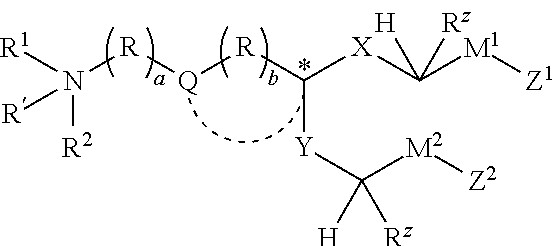
    Alnylam sued Moderna, asserting that the SM-102 lipid in Moderna’s SPIKEVAX® vaccine infringed U.S. Patent Nos. 11,246,933 and 11,382,979. The patents concern cationic lipids used for delivering nucleic acids into cells, particularly formulations where the hydrophobic “tail” includes a “branched alkyl” group.

    The litigation hinged on the meaning of the claim term “branched alkyl.” Moderna prevailed on a noninfringement stipulation after the district court adopted a narrow construction based on a definitional sentence in the patents’ shared specification.

    The Disputed Definition

    The critical passage appeared in the “Definitions” section:

    “Unless otherwise specified, the term ‘branched alkyl’ … refer[s] to an alkyl … group in which one carbon atom in the group (1) is bound to at least three other carbon atoms and (2) is not a ring atom of a cyclic group.”

    The district court treated this as lexicography and rejected Alnylam’s attempt to use a broader “plain and ordinary meaning” interpretation. Because Moderna’s lipid did not include a carbon atom meeting the “bound to at least three other carbon atoms” requirement, the court granted judgment of noninfringement.

    Federal Circuit Analysis

    The Federal Circuit affirmed, holding that the passage was definitional under the standards set out in Vitronics Corp. v. Conceptronic, Inc., 90 F.3d 1576 (Fed. Cir. 1996) and its progeny:

    • The term was in quotation marks, signaling definition.
    • It was introduced with “refer to,” which courts have consistently viewed as definitional (ParkerVision, Inc. v. Vidal, 88 F.4th 969 (Fed. Cir. 2023)).
    • It was placed in a section titled “Definitions,” supporting the lexicographic reading.
    • The specification used permissive phrasing elsewhere (“e.g.,” “include”), contrasting with the precise language used for “branched alkyl.”

    The panel also rejected Alnylam’s fallback argument that its claims fell under the “unless otherwise specified” exception. The court held that this clause required a clear, specific departure—and nothing in the claims, specification, or prosecution history met that bar. References to secondary carbon structures in dependent claims and the prosecution record did not rise to the level of an explicit override of the express definition.

    Key Cases Cited

    Takeaway

    This case is a strong reminder that express definitions in a patent’s specification—especially when found in a “Definitions” section and marked with formal language—will bind the claim scope unless there is a clear and unmistakable reason to depart. Practitioners should be cautious with language like “unless otherwise specified” unless they can point to explicit exceptions elsewhere in the specification or prosecution history. Ambiguities or broader examples won’t suffice to override precise definitions.

    By Charles Gideon Korrell

  • Incyte Corp. v. Sun Pharmaceutical Industries: Federal Circuit Reverses Preliminary Injunction for Lack of Irreparable Harm

    Incyte Corp. v. Sun Pharmaceutical Industries: Federal Circuit Reverses Preliminary Injunction for Lack of Irreparable Harm

    In a follow-on decision reinforcing its earlier order, the Federal Circuit in Incyte Corp. v. Sun Pharmaceutical Industries, Ltd., reversed a preliminary injunction granted by the U.S. District Court for the District of New Jersey. The district court had enjoined Sun from launching its FDA-approved drug Leqselvi, a deuterated version of ruxolitinib for treating alopecia areata (AA), based on Incyte’s assertion of U.S. Patent No. 9,662,335. The Federal Circuit found that Incyte failed to establish irreparable harm—a required element for injunctive relief under Winter v. Natural Resources Defense Council, 555 U.S. 7 (2008)—rendering the injunction improper.

    Background

    Incyte’s ’335 patent covers deuterated ruxolitinib compounds, and the dispute arose after Sun secured FDA approval in July 2024 to market Leqselvi for AA. Incyte, which is still in early development stages for a topical version of the drug, moved to preliminarily enjoin Sun. The district court granted the motion, primarily crediting Incyte’s argument that Sun’s launch would grant it a “head start” and erode Incyte’s competitive position before its own product could reach the market.

    The Federal Circuit’s Analysis

    Writing for the panel, Chief Judge Moore found the district court’s irreparable harm analysis clearly erroneous. The court underscored that preliminary injunctions require a showing that harm is likely absent an injunction, not merely speculative or inevitable.

    While the Federal Circuit recognized that in some cases a first-mover advantage and loss of “sticky” customer relationships may constitute irreparable harm (Bio-Rad Labs., Inc. v. 10X Genomics Inc., 967 F.3d 1353 (Fed. Cir. 2020); Natera, Inc. v. NeoGenomics Labs., Inc., 106 F.4th 1369 (Fed. Cir. 2024)), the facts here were materially different. Unlike Natera, where the injunction prevented immediate entry and preserved the patentee’s imminent market position, Incyte’s product is still years away from launch—even under its most optimistic development timeline—and certainly after the ’335 patent’s expiration in December 2026.

    This distinction proved fatal to Incyte’s argument. As the court explained, “[b]ecause Incyte cannot enjoin Sun from launching after its ’335 patent expires, Sun’s multi-year head start is inevitable regardless of any injunction.” Thus, any advantage Sun might gain from launching before Incyte was not attributable to the absence of an injunction, but to the natural expiration of the patent.

    Comparison to Earlier Decision

    This ruling builds on the court’s prior order on April 9, 2025, vacating the injunction without a full opinion. Both decisions underscore a consistent message: patent holders must offer concrete, non-speculative proof of irreparable harm that an injunction can actually prevent. A delay in entry that would happen regardless of judicial intervention—because of patent expiration or the plaintiff’s own development delays—does not suffice.

    Key Takeaways

    1. Inevitable Market Entry Is Not Irreparable Harm: When a competitor’s entry into the market is inevitable post-patent expiration, courts will be reluctant to find that harm from early entry is “irreparable.”
    2. Development Timelines Matter: A patent holder that is years away from commercial launch faces a high hurdle in arguing that it will suffer imminent harm absent an injunction.
    3. First-Mover Advantage Is Contextual: While first-mover advantage can support injunctive relief, it must be tethered to a plausible timeline and preventable disruption.

    This decision reflects the Federal Circuit’s increasing scrutiny of the evidentiary basis for irreparable harm, particularly in the pharmaceutical and biotech space. Litigants seeking preliminary injunctions would be wise to present a realistic commercial timeline and show how the injunction meaningfully alters competitive dynamics within the remaining life of the patent.

    By Charles Gideon Korrell

  • Jazz Pharmaceuticals v. Avadel CNS Pharmaceuticals: Clarifying the Limits of Injunctive Relief Under the Hatch-Waxman Safe Harbor

    Jazz Pharmaceuticals v. Avadel CNS Pharmaceuticals: Clarifying the Limits of Injunctive Relief Under the Hatch-Waxman Safe Harbor

    In the recent Federal Circuit decision Jazz Pharmaceuticals, Inc. v. Avadel CNS Pharmaceuticals, LLC, the court provided critical guidance on the limits of injunctive relief relating to FDA submissions and clinical trials under the Hatch-Waxman Act.

    Background and Procedural History

    Jazz Pharmaceuticals manufactures Xywav®, currently the only FDA-approved drug for treating idiopathic hypersomnia (IH). Avadel CNS Pharmaceuticals sought approval of its competing product, Lumryz, for narcolepsy and IH through a paper New Drug Application (NDA) relying partly on data associated with Jazz’s Xyrem®.

    Jazz’s patent infringement lawsuit initially relied on 35 U.S.C. § 271(e)(2), claiming Avadel’s FDA submission infringed its later-issued patent, the ’782 patent. The district court permanently enjoined Avadel from applying for FDA approval or marketing Lumryz for IH, initiating new clinical trials, and offering open-label extensions (OLE) in clinical studies.

    Federal Circuit’s Analysis and Key Holdings

    The Federal Circuit addressed each aspect of the district court’s injunction separately:

    1. Initiating New Clinical Trials: The court unequivocally reversed this portion of the injunction, emphasizing that the Hatch-Waxman safe harbor (§ 271(e)(1)) expressly protects activities solely related to FDA submissions. The court noted that such experimental activities do not constitute infringement and that § 271(e)(3) explicitly bars injunctive relief against these safe-harbor activities. The panel emphasized that no factual development was required here, given the purely legal nature of Avadel’s challenge to this aspect of the injunction.
    2. Offering Open-Label Extensions (OLE): Similarly, the injunction prohibiting Avadel from offering OLE periods to clinical trial participants was reversed. The Federal Circuit clarified that this activity had not been adjudicated to fall outside the protection of the safe harbor, and thus, prematurely enjoining it exceeded statutory limits.
    3. Applying for FDA Approval for New Indications: The court vacated and remanded the injunction barring FDA submissions for new Lumryz indications. While acknowledging FDA submissions themselves do not infringe under § 271(a), the court explored the nuance of artificial infringement under § 271(e)(2). The decision identified unresolved legal questions about whether submitting a paper NDA for a non-Orange Book listed patent constitutes artificial infringement, directing the district court to examine this issue on remand. The Federal Circuit underscored that even if not infringement, an injunction against submitting FDA applications could only stand if clearly necessary to prevent actual infringement—an analysis the lower court had not sufficiently articulated.

    Implications for Patent Litigation and FDA Regulatory Submissions

    This ruling highlights the judicial restraint required in granting injunctions in pharmaceutical patent cases, especially concerning activities explicitly shielded under Hatch-Waxman’s safe harbor provisions. Companies engaged in FDA-related drug development activities can rely on clearer boundaries protecting their clinical research endeavors. Furthermore, the decision signals to district courts that injunctive relief must directly correspond to actual or likely infringing activities and be clearly supported by detailed factual and legal analysis.

    The remand provides further opportunity for nuanced interpretation and application of the Hatch-Waxman Act, particularly regarding the interplay between FDA regulatory submissions and patent infringement litigation, setting important precedent for future cases.

    By Charles Gideon Korrell

  • Regeneron v. Amgen: Patent Infringement and Biologic Formulations

    Regeneron v. Amgen: Patent Infringement and Biologic Formulations

    On March 14, 2025, the United States Court of Appeals for the Federal Circuit issued a decision in Regeneron Pharmaceuticals, Inc. v. Amgen Inc., affirming the district court’s denial of a preliminary injunction sought by Regeneron. This ruling is significant in the realm of the biologic pharmaceutical industry, as it centers on claim construction and the principles governing patent infringement.

    Background of the Case

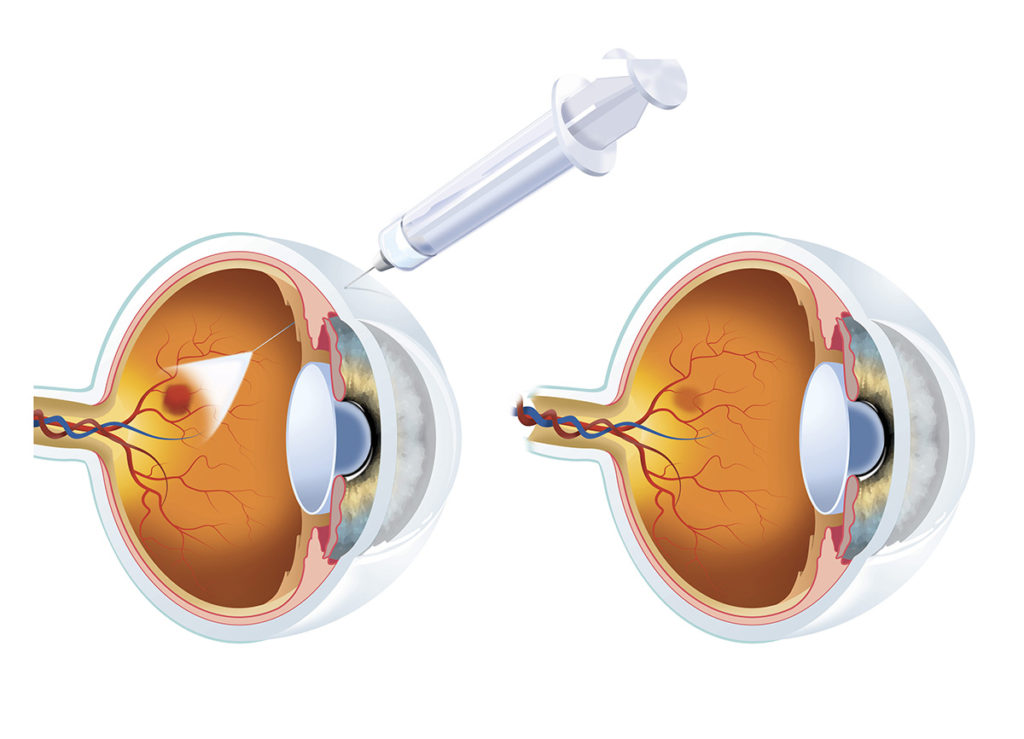
    Regeneron sued Amgen, alleging that Amgen’s biosimilar product, ABP 938 (Pavblu), infringed its U.S. Patent 11,084,865 (the ’865 patent). This patent claims a pharmaceutical formulation for an ophthalmic drug, Eylea, which contains a vascular endothelial growth factor (VEGF) antagonist, a buffer, an organic co-solvent, and a stabilizing agent.

    Amgen developed ABP 938 as a biosimilar to Eylea but with a key difference: it eliminated the need for a separate buffer component by utilizing a self-buffering VEGF antagonist. Regeneron argued that Amgen’s formulation still fell within the scope of its patent, while Amgen maintained that its approach did not infringe because it lacked a distinct buffer component.

    Key Legal Issues

    The central legal question in this case revolved around claim construction—specifically, whether the language of the ’865 patent required the VEGF antagonist and the buffer to be separate components. The court’s analysis focused on the following issues:

    1. Claim Construction and the Becton Doctrine

    The court applied the principle established in Becton, Dickinson & Co. v. Tyco Healthcare Grp., which states that where a patent claim lists components separately, there is a presumption that they are distinct. Since the ’865 patent separately lists the VEGF antagonist and the buffer, the Federal Circuit found that the presumption of distinctness applied.

    Regeneron argued that the buffer requirement could be satisfied by the VEGF antagonist itself, given its buffering capacity. However, the court rejected this argument, emphasizing that the claim structure and specification reinforced the requirement that the buffer must be a separate component.

    2. The Role of Intrinsic and Extrinsic Evidence

    The court reviewed both intrinsic evidence (the patent claims and specification) and extrinsic evidence (expert testimony and scientific literature) to determine the meaning of the disputed claim terms. The specification described formulations where a VEGF antagonist was always accompanied by a separate buffer. Moreover, the examples and embodiments consistently treated the buffer as a distinct component.

    While Regeneron presented extrinsic evidence suggesting that proteins like aflibercept could function as buffers, the court found this insufficient to override the intrinsic evidence. The ruling underscored the principle that claim construction must align with the patent’s written description rather than rely on broad interpretations supported by external sources.

    3. Implications for Biosimilar Litigation

    A key takeaway from this case is how courts interpret claims involving biosimilars. The ruling reinforces that companies developing biosimilars can avoid infringement if they modify formulations in a way that eliminates explicitly claimed components. Amgen’s strategy of using a self-buffering formulation proved successful in distinguishing ABP 938 from Eylea in a legally meaningful way.

    Conclusion

    The Federal Circuit’s decision in Regeneron v. Amgen sets an important precedent for biologic patent disputes. It highlights the significance of precise claim drafting and underscores the challenges in asserting broad interpretations of patent scope. For companies engaged in biosimilar development, this ruling provides a roadmap for designing around existing patents by focusing on structural distinctions in formulation components.

    This case serves as a reminder that in patent litigation, the wording of claims and the clarity of specifications are critical. While Regeneron’s patent remains valid, its enforceability against biosimilars like Amgen’s ABP 938 has been significantly weakened. As the biosimilar market continues to grow, expect more litigation focused on claim construction and the interpretation of formulation patents.

    By Charles Gideon Korrell

  • Patent Law and Drug Innovation: Federal Circuit Upholds Rejection of ImmunoGen’s Patent Application

    On March 6, 2025, the Federal Circuit issued its opinion in ImmunoGen, Inc. v. Stewart, affirming the district court’s ruling that denied ImmunoGen’s patent application for a dosing regimen of its antibody drug conjugate (ADC), IMGN853. The court’s decision, rooted in key principles of intellectual property law, particularly focused on the doctrines of indefiniteness and obviousness. This case highlights ongoing challenges in securing patents for pharmaceutical dosing regimens and underscores the high bar for patentability in the biotechnology sector.

    Background of the Case

    ImmunoGen sought a patent for a specific dosing regimen of IMGN853, a drug used to treat ovarian and peritoneal cancers. The key claim at issue involved administering IMGN853 at a dose of 6 milligrams per kilogram (mg/kg) of adjusted ideal body weight (AIBW). The U.S. Patent and Trademark Office (USPTO) rejected the application, a decision that was subsequently affirmed by the Patent Trial and Appeal Board (PTAB). ImmunoGen then pursued relief in the Eastern District of Virginia under 35 U.S.C. § 145, which allows applicants to challenge USPTO decisions in district court.

    Following a bench trial, the district court ruled against ImmunoGen, determining that the claimed invention was fatally indefinite, obvious in light of prior art, and unpatentable under the doctrine of obviousness-type double patenting. ImmunoGen appealed to the Federal Circuit, which affirmed the lower court’s ruling based on obviousness.

    Key Legal Issues

    1. Obviousness Under 35 U.S.C. § 103

    The Federal Circuit upheld the rejection of ImmunoGen’s patent claims on the grounds that they were obvious in light of prior art. The court applied the well-established Graham v. John Deere Co. framework, which requires assessing:

    • The scope and content of the prior art
    • Differences between the prior art and the claims at issue
    • The level of ordinary skill in the art
    • Any secondary considerations (such as commercial success or unexpected results)

    The court found that a person of ordinary skill in the art would have been motivated to try the claimed dosing regimen based on existing knowledge of ocular toxicity risks associated with ADCs, prior dosing methodologies, and available clinical data. The decision emphasized that AIBW was a known dosing methodology in the prior art, and adjusting dosage to reduce toxicity was a routine optimization.

    2. The Role of Prior Art in Determining Obviousness

    The court found that:

    • Existing literature disclosed IMGN853 and its dosing regimens based on total body weight (TBW).
    • Previous studies had explored adjusted dosing strategies (including AIBW) to reduce toxicity in related drug classes.
    • A person of ordinary skill in the art would have been able to transition from TBW to AIBW dosing as an obvious variation, especially since AIBW dosing had been previously used to reduce ocular toxicity for other drugs.

    Ultimately, because the claimed dose of 6 mg/kg AIBW was within the range of known effective doses, the court determined that the invention was a predictable result of routine experimentation rather than an unexpected innovation.

    3. Indefiniteness Under 35 U.S.C. § 112

    While the Federal Circuit did not rule on indefiniteness, the district court’s decision noted that the application failed to define AIBW adequately, leaving ambiguity in the claim’s scope. Courts require patent claims to be sufficiently clear so that a person of ordinary skill in the art can ascertain the precise bounds of the invention.

    The district court found that multiple formulas for AIBW existed, creating uncertainty about which formula applied to ImmunoGen’s claims. This contributed to the court’s ruling that the patent claims were fatally indefinite, making them unenforceable.

    4. Obviousness-Type Double Patenting

    The government also argued that the claims were unpatentable under the doctrine of obviousness-type double patenting, which prevents an inventor from obtaining multiple patents on obvious variations of the same invention. The district court found that ImmunoGen’s claims were largely duplicative of its previous patents, reinforcing the determination of obviousness. However, on appeal, both parties agreed that the double patenting issue rose and fell with the obviousness analysis, making further discussion unnecessary.

    Implications for the Biotechnology and Pharmaceutical Industries

    This decision underscores the high threshold for patentability in pharmaceutical dosing regimens. Courts have consistently ruled that dosing adjustments—particularly those based on well-known methodologies—are often seen as routine optimizations rather than true inventions. This presents significant challenges for drug developers seeking patent protection for new dosing strategies.

    Key takeaways from this case include:

    • Drug manufacturers must provide clear evidence of unexpected results to differentiate dosing regimen patents from routine experimentation.
    • Precision in claim drafting is critical to avoid indefiniteness challenges.
    • Applicants should consider alternative strategies, such as method-of-use claims tied to specific patient populations or therapeutic effects, to enhance patentability.

    Conclusion

    The Federal Circuit’s ruling in ImmunoGen, Inc. v. Stewart reinforces longstanding principles in patent law regarding obviousness and claim definiteness. While pharmaceutical innovators continue to seek patent protection for dosing regimens, this case demonstrates the difficulties of overcoming obviousness rejections, particularly where prior art provides clear guidance on dosage adjustments. Moving forward, companies seeking similar patents will need to present strong, non-obvious justifications to withstand legal scrutiny and secure valuable intellectual property protections.

    By Charles Gideon Korrell

  • Galderma v. Lupin: CAFC Weighs In on ANDA Infringement and the Doctrine of Equivalents

    The Federal Circuit recently affirmed a district court ruling in Galderma Laboratories, L.P. v. Lupin Inc., a patent dispute over the rosacea treatment Oracea®. The decision highlights key issues in Hatch-Waxman litigation, including claim construction, infringement analysis, and the doctrine of equivalents.

    Background: The Patents and ANDA Dispute

    Galderma Laboratories owns patents for Oracea®, medication used to treat rosacea. The formula is designed to release most of the drug immediately (30 mg of the 40 mg total amount) and then the rest later, helping to maintain steady levels in the body.

    Lupin Inc. applied for FDA approval to sell a generic version of Oracea®. Their version had a different mix—22 mg released immediately and 18 mg released later. This led Galderma to sue, claiming that Lupin’s product violated their patents.

    Key Patent Law Issues Addressed

    1. Claim Construction and Functional Limitations

    The court first addressed the proper interpretation of the “immediate-release” and “delayed-release” terms. It affirmed the district court’s functional definitions:

    • Immediate-Release (IR): A portion of the composition that releases doxycycline upon administration without any delayed or extended effect.
    • Delayed-Release (DR): A portion that postpones release through coating or another mechanism.

    This distinction became crucial in determining whether Lupin’s product met the specific claimed composition of 30 mg IR and 10 mg DR doxycycline.

    2. Direct Infringement and ANDA Specification

    Galderma argued that, despite Lupin’s labeling of 22 mg IR and 18 mg DR, a weak enteric coating caused some DR doxycycline to release earlier than intended, effectively creating a 30 mg IR and 10 mg DR composition.

    The court rejected this argument, emphasizing that an ANDA’s formulation specifications are generally dispositive in infringement determinations unless contrary evidence proves otherwise. Lupin’s ANDA stated that its product contained a different IR-to-DR ratio than the claimed composition, and Galderma failed to provide convincing proof of deviation in real-world conditions.

    3. The Role of In Vitro Dissolution Testing

    A key evidentiary dispute involved in vitro dissolution tests showing some doxycycline release at pH 4.5. Galderma argued this indicated Lupin’s DR portion was behaving like an IR portion in vivo.

    The court disagreed, finding that:

    • The pH 4.5 test did not accurately reflect in vivo stomach conditions, where pH levels are typically between 1.0 and 2.0 in fasting conditions.
    • Galderma’s evidence did not establish how many of Lupin’s coated pellets had weak enteric layers or how this would impact overall drug release.
    • Even if some DR doxycycline released at pH 4.5, this did not prove Lupin’s formulation met the claimed 30 mg IR / 10 mg DR composition.

    4. No Infringement Under the Doctrine of Equivalents

    Galderma also argued that Lupin’s formulation was equivalent to the claimed invention under the doctrine of equivalents. The doctrine applies when a product does not literally infringe a patent but performs the same function, in the same way, to achieve the same result.

    The court rejected this argument, stating:

    • The function-way-result test was not met because Galderma failed to show Lupin’s ANDA product functioned identically to Oracea®.
    • The differences between Lupin’s 22 mg IR / 18 mg DR formulation and the claimed 30 mg IR / 10 mg DR formulation were substantial, particularly given the FDA’s strict labeling and bioequivalence standards.

    5. No Indirect or Induced Infringement

    Because there was no direct infringement, the court also ruled out contributory and induced infringement claims against Lupin.

    Final Decision and Impact

    The Federal Circuit affirmed the district court’s ruling, holding that Lupin’s ANDA product does not infringe Galderma’s patents. The decision underscores the importance of ANDA specifications in Hatch-Waxman litigation, the limitations of in vitro testing for proving infringement, and the high bar for applying the doctrine of equivalents in pharmaceutical patent cases.

    This case serves as a reminder that branded pharmaceutical companies must provide clear and convincing evidence when challenging ANDA products—particularly when alleging that small formulation differences amount to patent infringement.

    Post by Charles Gideon Korrell

  • Federal Circuit Vacates District Court’s Surprise Patent Ineligibility Ruling in Astellas v. Sandoz

    In a major rebuke to a district court’s handling of patent eligibility, the Federal Circuit has vacated a decision that invalidated Astellas’s pharmaceutical patent under 35 U.S.C. § 101—a ruling the lower court made on its own initiative, without either party raising the issue. The court’s strong reaffirmation of the “party presentation principle” signals a warning against judicial overreach in patent litigation.

    Background: The Overactive Bladder Treatment and the Patent Dispute

    Astellas Pharma, the manufacturer of Myrbetriq®, an extended-release formulation of mirabegron for overactive bladder (OAB), sued multiple generic drugmakers, including Sandoz, Lupin, and Zydus, for patent infringement under the Hatch-Waxman Act. The key patent at issue, U.S. Patent No. 10,842,780 (the ’780 patent), covered a sustained-release formulation of mirabegron that overcame the “food effect”—an issue where drug absorption varies significantly depending on whether the patient has eaten.

    During the litigation:

    • The generic manufacturers challenged the patent’s validity only under 35 U.S.C. § 112, arguing that the claims were not enabled, lacked written description, or were indefinite.
    • Sandoz explicitly waived arguments under §§ 102 (anticipation) and 103 (obviousness) before trial.
    • Neither side raised a challenge under 35 U.S.C. § 101 (patent eligibility).

    However, after a five-day bench trial, the district court unexpectedly ruled that the patent claims were invalid under § 101—a legal theory that had never been argued by the defendants. This ruling blindsided Astellas, prompting their appeal.


    Key Patent Law Issues Addressed

    1. Can a Court Invalidate a Patent on Grounds Not Raised by Either Party?

    The Federal Circuit’s resounding answer: No.

    The appeals court held that the district court violated the “party presentation principle”—a fundamental rule in U.S. litigation that courts must decide only the issues framed by the parties.

    The Supreme Court has repeatedly reinforced this principle, stating that courts should not act as “issue spotters” on behalf of litigants. The Federal Circuit echoed this, emphasizing:

    “It is for the parties—not the court—to chart the course of the litigation.”

    By introducing a new ground of invalidity sua sponte, the district court abused its discretion, undermining due process, and depriving Astellas of an opportunity to defend its patent.

    2. Is Patent Eligibility a Special Case Where a Court Can Rule on Its Own?

    No. The district court seemed to treat § 101 eligibility like a jurisdictional question, which courts must assess even if not raised. However, the Federal Circuit flatly rejected this view, clarifying that patent eligibility is subject to the same statutory presumption of validity under 35 U.S.C. § 282 as other validity defenses.

    The court noted:

    • The Supreme Court has never held that § 101 must be evaluated independently by courts.
    • Patent challengers bear the burden of proving invalidity—courts cannot assume this burden for them.

    3. Was the ’780 Patent’s “Food Effect” Solution Merely a Natural Law?

    The district court held that Astellas’s discovery of a sustained-release profile that eliminated the food effect was merely an application of a natural law, making it patent-ineligible under Mayo Collaborative Services v. Prometheus Labs (2012).

    The Federal Circuit avoided ruling on the merits of this issue, focusing instead on the procedural error. However, it hinted that the district court likely misunderstood the scope of § 101, as formulation patents like Astellas’s typically claim a non-naturally occurring composition—not a law of nature.


    Outcome and Key Takeaways

    IssueFederal Circuit Decision
    Court raising § 101 issue sua sponteAbuse of discretion—violates party presentation principle
    Treatment of § 101 as jurisdictionalError—validity challenges must be raised by parties
    Presumption of validity under § 282Applies equally to § 101 challenges
    Future of Astellas’s patentRemanded for ruling on infringement and § 112 validity defenses

    The Federal Circuit vacated the district court’s judgment and remanded the case for a proper adjudication—one limited to the issues actually raised by the parties (i.e., enablement, written description, and indefiniteness under § 112).


    What This Means for Future Patent Cases

    1. District Courts Must Stick to the Issues Raised

    This ruling strongly discourages judges from introducing new invalidity arguments. It reinforces that § 101 is not a jurisdictional test and that courts cannot invalidate patents sua sponte.

    2. Patent Defendants Cannot Rely on Courts to Raise Additional Defenses

    Generic manufacturers (and other patent challengers) must affirmatively raise § 101 defenses during litigation. A court cannot do their work for them.

    3. Clarifies That Formulation Patents Are Not Automatically “Natural Laws”

    While the Federal Circuit did not directly decide whether Astellas’s patent was ineligible under § 101, its reluctance to uphold the district court’s reasoning suggests that such pharmaceutical formulation patents remain patentable under existing law.


    Next Steps for Astellas

    On remand, Astellas’s patent infringement claims will continue—but the case will focus only on the § 112 defenses (enablement, written description, and indefiniteness). The generics will have to prove these defenses—which are often harder to establish than obviousness or anticipation.

    See also:

    Article relating to patent office interim guidance on subject matter elegibility.

    By Charles Gideon Korrell