Tag: PTAB
-

Bayer Pharma v. Mylan Pharmaceuticals: When “Clinically Proven Effective” Cannot Rescue an Anticipated Treatment Method
The Federal Circuit’s September 23, 2025 decision in Bayer Pharma Aktiengesellschaft v. Mylan Pharmaceuticals Inc., No. 23-2434, delivers a sharp reminder that post-hoc validation, even in the form of successful clinical trial results, does not automatically translate into patentability. The opinion clarifies the limits of method-of-treatment claims that attempt to rely on clinical proof language…
-
Global Health Solutions LLC v. Selner: The Federal Circuit’s First AIA Derivation Appeal Clarifies Conception, Corroboration, and Harmless Error
The Federal Circuit’s decision in Global Health Solutions LLC v. Selner marks the court’s first precedential review of an America Invents Act (AIA) derivation proceeding. In affirming the Patent Trial and Appeal Board’s judgment, the court provided much-needed guidance on how AIA derivation proceedings differ from pre-AIA interferences, how conception and communication operate under the…
-

Kroy IP Holdings v. Groupon: The Federal Circuit Draws a Hard Line on IPR Collateral Estoppel
The Federal Circuit’s August 1, 2025 order denying rehearing en banc in Kroy IP Holdings, LLC v. Groupon, Inc., No. 23-1359, leaves intact a panel decision that sharply limits the collateral-estoppel effect of PTAB unpatentability decisions in subsequent district court litigation. The denial is notable not because of its brevity—en banc denials are routine—but because…
-

Ancora v. Roku: When Patent Licenses Become Evidence of Nonobviousness
In the June 16, 2025 decision of Ancora Technologies, Inc. v. Roku, Inc., the Federal Circuit vacated and remanded two inter partes review (IPR) decisions by the Patent Trial and Appeal Board (PTAB) that had found claims of U.S. Patent No. 6,411,941—owned by Ancora Technologies, Inc.—to be unpatentable as obvious. While the Federal Circuit affirmed…
-
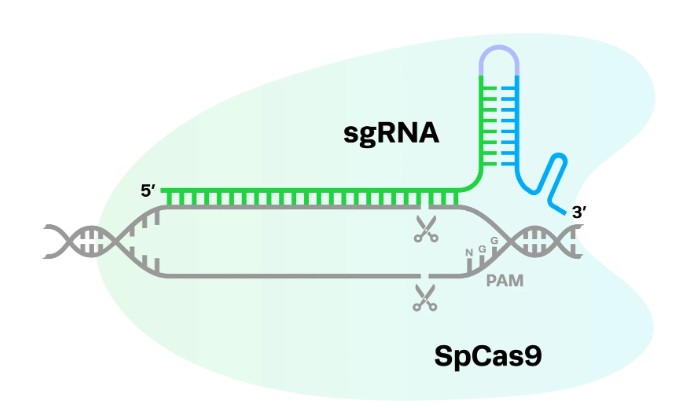
Agilent v. Synthego: Federal Circuit Clarifies Written Description and Motivation to Combine
The Federal Circuit vacated and reversed key findings by the PTAB in a suite of post-grant challenges brought against Agilent Technologies’ patents on CRISPR-related RNA purification methods. The decision in Agilent Technologies, Inc. v. Synthego Corp., Nos. 23-1916, -1917, -1918, -1919, and -2043, addresses recurring issues in PTAB proceedings: how to properly assess written description…
-

Dolby Laboratories Licensing Corp. v. Unified Patents, LLC: No Standing to Appeal IPR RPI Dispute
In Dolby Laboratories Licensing Corp. v. Unified Patents, LLC, No. 23-2110 (Fed. Cir. June 5, 2025), the Federal Circuit dismissed Dolby’s appeal for lack of Article III standing. Although Dolby had prevailed before the Patent Trial and Appeal Board (PTAB) in an inter partes review (IPR) initiated by Unified Patents, it sought to appeal the…
-
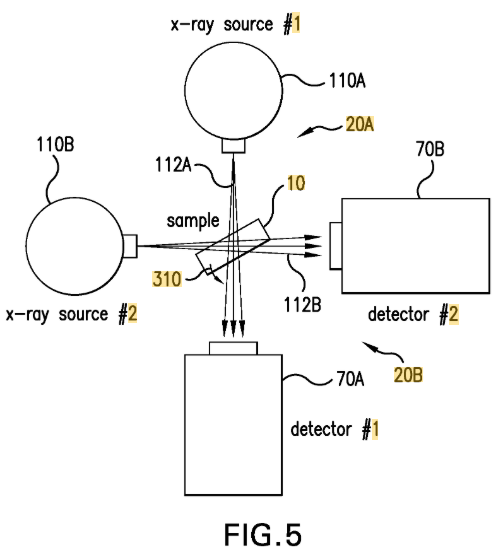
Sigray, Inc. v. Carl Zeiss X-Ray Microscopy, Inc.: Inherent Anticipation Requires Full Scope of the Claim
In a decision clarifying the boundaries between claim construction and factual findings of inherency, the Federal Circuit in Sigray, Inc. v. Carl Zeiss X-Ray Microscopy, Inc., No. 23-2211 (Fed. Cir. May 23, 2025), reversed the PTAB’s determination that certain claims of U.S. Patent No. 7,400,704 were not anticipated by the prior art. The court concluded…
-
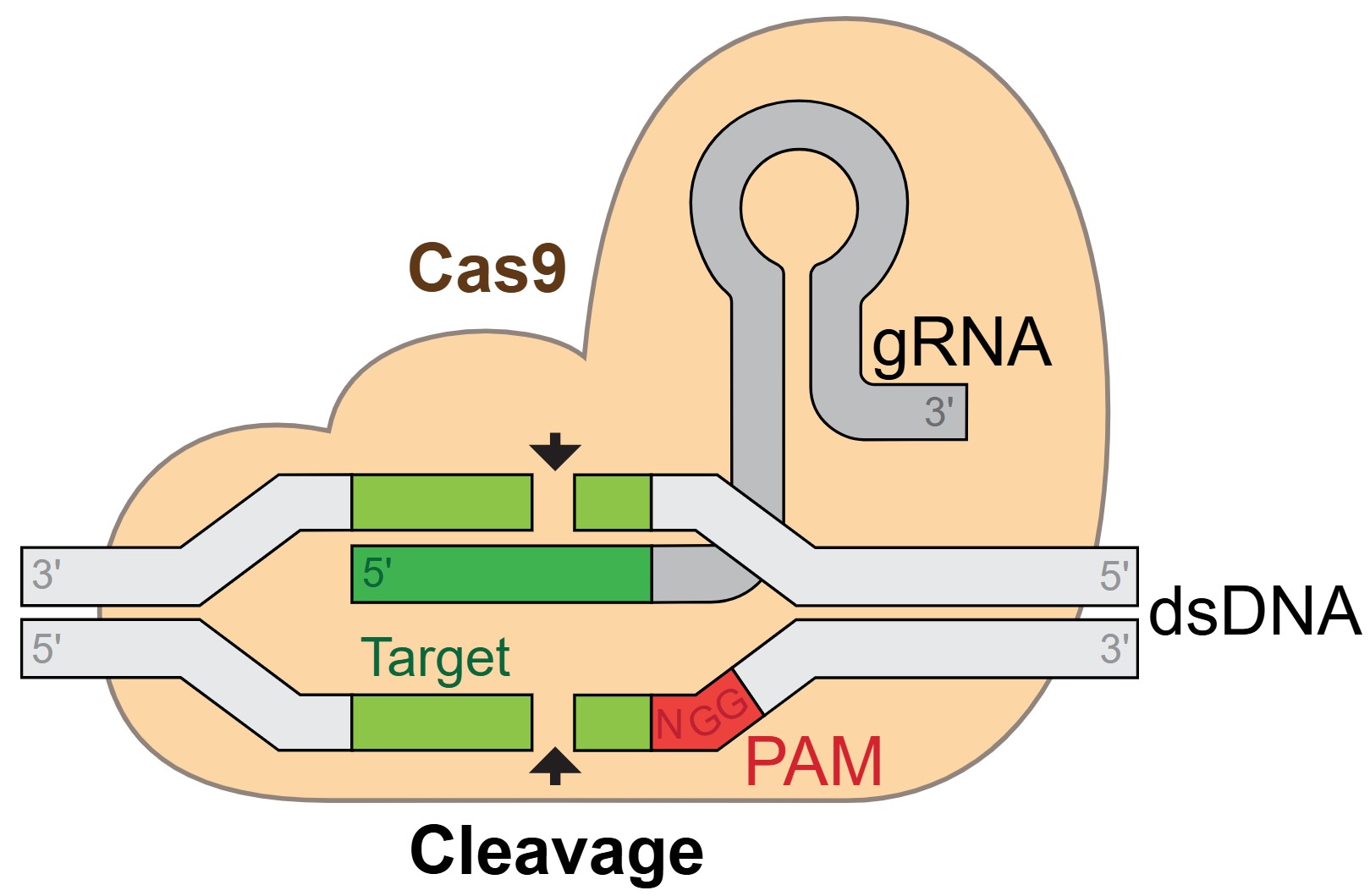
Regents of the University of California v. Broad Institute: Federal Circuit Faults PTAB for Conflating Conception and Reduction to Practice Standards in CRISPR Interference
In a closely watched battle over the origins of one of the most transformative technologies in modern biology, the Federal Circuit has partially reversed a PTAB ruling in Regents of the University of California v. Broad Institute, Inc., No. 22-1653 (Fed. Cir. May 12, 2025). The dispute centers on who first invented the use of…
-
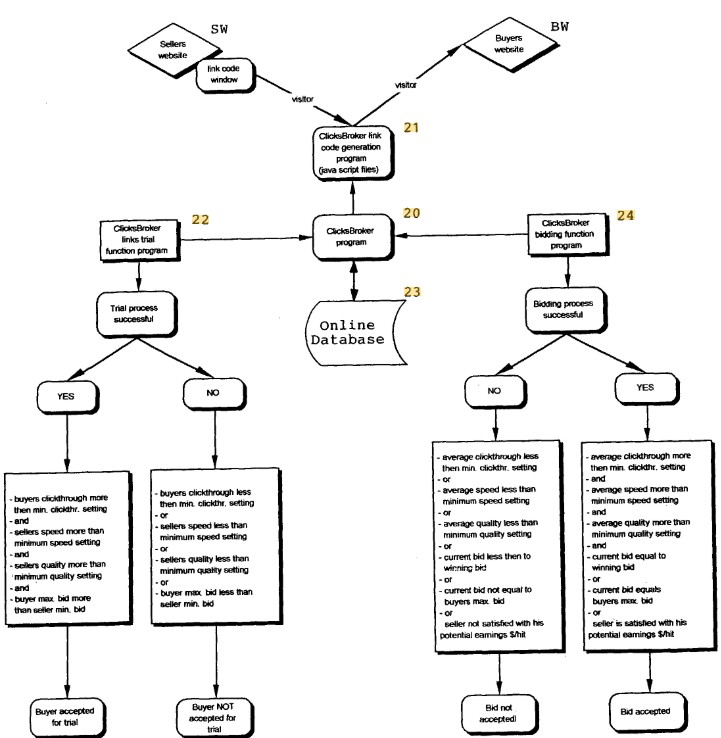
In re Kostic: Broadened Reissue Claims Rejected Due to Statutory Bar
In In re Kostic, the Federal Circuit recently reinforced the statutory bar against broadening reissue applications filed beyond the two-year limit, emphasizing that claims must be construed based on their actual language rather than an inventor’s subjective intent. Background:Appellants Kostic and Vandevelde sought reissue of U.S. Patent No. 8,494,950, covering methods for buying and selling…
-

Qualcomm v. Apple: Express Reliance on Applicant Admitted Prior Art Bars IPR Ground
In Qualcomm Inc. v. Apple Inc., Nos. 2023-1208, -1209 (Fed. Cir. Apr. 23, 2025), the Federal Circuit reversed the Patent Trial and Appeal Board’s (PTAB) post-remand decision, holding that the Board erred in allowing Apple’s inter partes review (IPR) ground to proceed based on a misinterpretation of 35 U.S.C. § 311(b). The ruling clarifies the…