Tag: eligibility
-
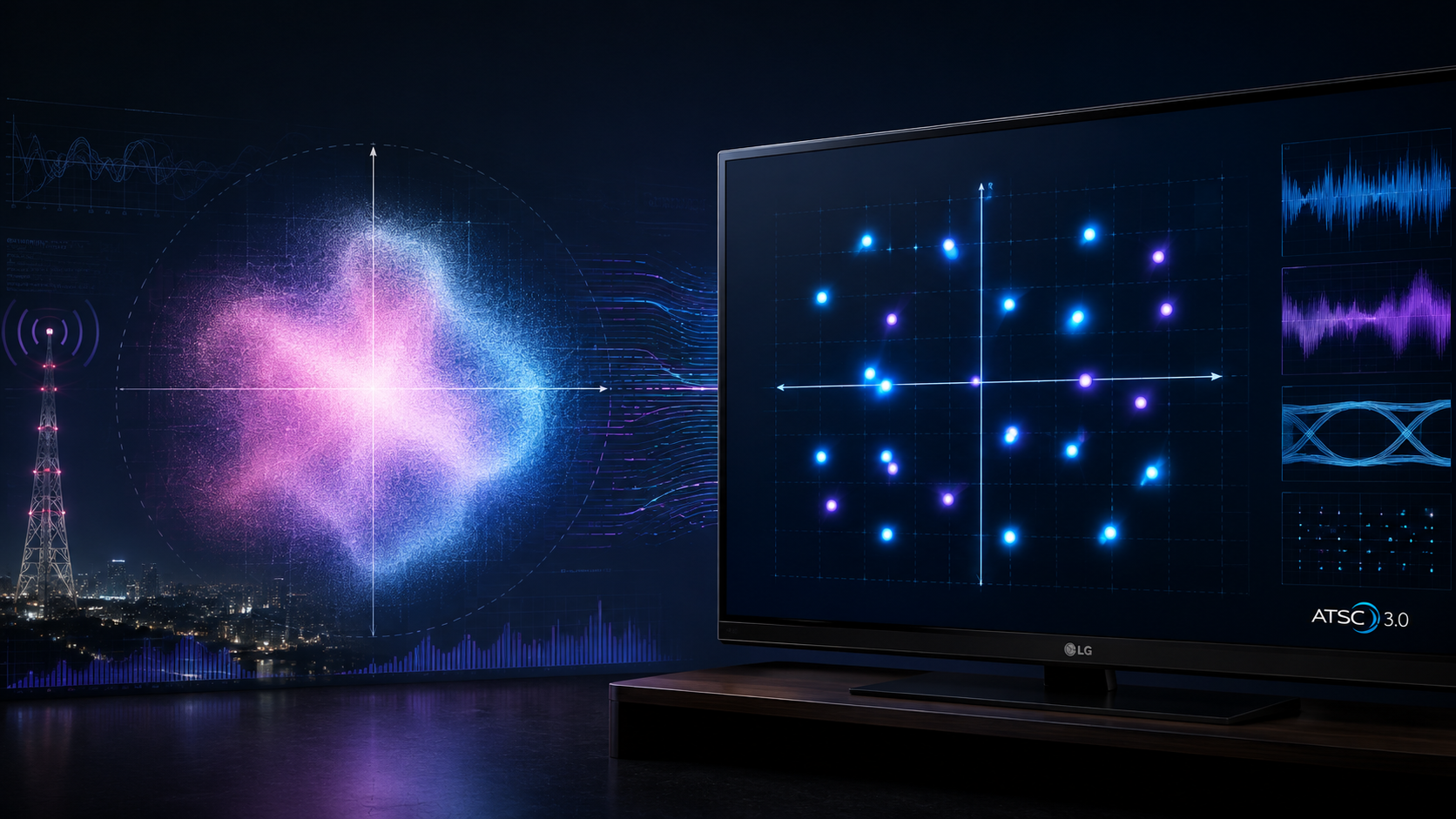
Constellation Designs v. LG: Federal Circuit Draws Section 101 Line Between Optimization Claims and Specific Signal Constellations
The Federal Circuit’s decision in Constellation Designs, LLC v. LG Electronics Inc., No. 24-1822 (Fed. Cir. Aug. 31, 2026), draws an unusually clear line under 35 U.S.C. § 101 between claiming a technological objective and claiming a particular technological implementation. The court held claims broadly covering signal constellations “optimized” for improved capacity patent ineligible, while…
-

AML IP v. Bath & Body Works Direct: Federal Circuit Allows Section 101 Dismissal After Finding Patent Venue Improper
The Federal Circuit’s decision in AML IP, LLC v. Bath & Body Works Direct, Inc., Case No. 2025-1280 (Fed. Cir. Aug. 28, 2026), holds that a district court may, in appropriate circumstances, decide a fully briefed merits defense even after concluding that patent venue is improper. Because venue is a waivable protection belonging to the…
-

Ollnova v. ecobee: Federal Circuit Clarifies Alice Step Two and Technical-Improvement Analysis
The Federal Circuit’s decision in Ollnova Technologies Ltd. v. ecobee Technologies ULC , Case No. 25-1045 (Fed. Cir. Jun. 4, 2026 ), delivers several significant holdings for patent litigators and technology companies. The opinion addresses jury unanimity in multi-patent trials, the proper role of juries in patent eligibility disputes under Section 101, and the distinction…
-

AGI SureTrack v. Farmers Edge: Federal Circuit Rejects Data-Collection Claims Under Section 101
The Federal Circuit’s decision in AGI SureTrack LLC v. Farmers Edge Inc. , Case Nos. 2024-1730, 2024-1830 (Fed. Cir. June 2, 2026), reinforces the limits of patent eligibility for claims directed to collecting, analyzing, and transmitting farming data using conventional computer components. The court affirmed summary judgment that the asserted claims were ineligible under 35…
-

Constellation Designs v. LG: Federal Circuit Splits on Patent Eligibility for Signal Constellation Claims
The Federal Circuit’s recent decision in Constellation Designs, LLC v. LG Electronics Inc., Case No. 24-1822 (Fed. Cir. Apr. 28, 2026) provides an important new roadmap for evaluating software and communications patents under 35 U.S.C. § 101. The opinion draws a sharp distinction between claims that merely recite a desired optimization result and claims directed…
-

Columbia University v. Gen Digital: $185M Cybersecurity Patent Verdict Reopened and Trial Counsel Sanctions Vacated
A pair of related decisions issued by the Federal Circuit in Trustees of Columbia University v. Gen Digital Inc. , Nos. 24-1243, -1244 (Fed. Cir. Mar 11, 2026), address two issues that often arise together in complex patent litigation: the evolving scope of patent eligibility under Alice, and the limits of sanctions imposed on litigation…
-
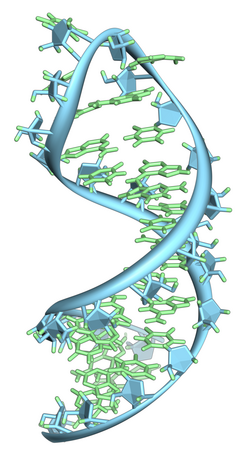
REGENXBIO v. Sarepta Therapeutics: Recombinant AAV Host Cells Are Not Products of Nature
On February 20, 2026, the Federal Circuit issued a significant decision clarifying the scope of patent eligibility for genetically engineered compositions in REGENXBIO Inc. v. Sarepta Therapeutics, Inc., No. 2024-1408 (Fed. Cir. Feb. 20, 2026). Reversing the District of Delaware, the court held that claims directed to cultured host cells containing recombinant nucleic acid molecules…
-
GoTV v. Netflix: Federal Circuit Holds Device-Tailored Content Claims Ineligible Under Section 101
On February 9, 2026, the Federal Circuit issued its decision in GoTV Streaming, LLC v. Netflix, Inc., reversing a jury verdict and holding that three related GoTV patents are invalid under 35 U.S.C. § 101. The panel, in an opinion by Judge Taranto, concluded that the asserted claims were directed to the abstract idea of…
-

US Patent No. 7,679,637 v. Google: Federal Circuit Rejects Functional Claims Under Section 101
On January 22, 2026, the Federal Circuit affirmed the dismissal of a patent infringement complaint against Google at the pleading stage, holding that the asserted claims of U.S. Patent No. 7,679,637 are patent-ineligible under 35 U.S.C. § 101. The decision reinforces a familiar theme in modern eligibility jurisprudence: claims drafted at a high level of…
-

Optis Cellular Technology v. Apple Inc.: Federal Circuit Orders New Trial on Infringement and Damages Due to Unanimity Violation and Improper Evidence
The Federal Circuit’s June 16, 2025, decision in Optis Cellular Technology, LLC v. Apple Inc., Nos. 2022-1904, 2022-1925, vacates a $300 million damages judgment in a high-stakes standard-essential patent (SEP) case and mandates a new trial on both infringement and damages. The court found that the Eastern District of Texas violated Apple’s constitutional right to…