Tag: obviousness
-

Ancora v. Roku: When Patent Licenses Become Evidence of Nonobviousness
In the June 16, 2025 decision of Ancora Technologies, Inc. v. Roku, Inc., the Federal Circuit vacated and remanded two inter partes review (IPR) decisions by the Patent Trial and Appeal Board (PTAB) that had found claims of U.S. Patent No. 6,411,941—owned by Ancora Technologies, Inc.—to be unpatentable as obvious. While the Federal Circuit affirmed…
-
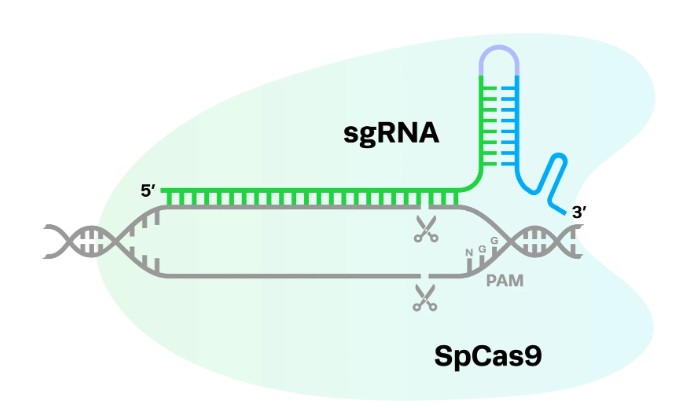
Agilent v. Synthego: Federal Circuit Clarifies Written Description and Motivation to Combine
The Federal Circuit vacated and reversed key findings by the PTAB in a suite of post-grant challenges brought against Agilent Technologies’ patents on CRISPR-related RNA purification methods. The decision in Agilent Technologies, Inc. v. Synthego Corp., Nos. 23-1916, -1917, -1918, -1919, and -2043, addresses recurring issues in PTAB proceedings: how to properly assess written description…
-
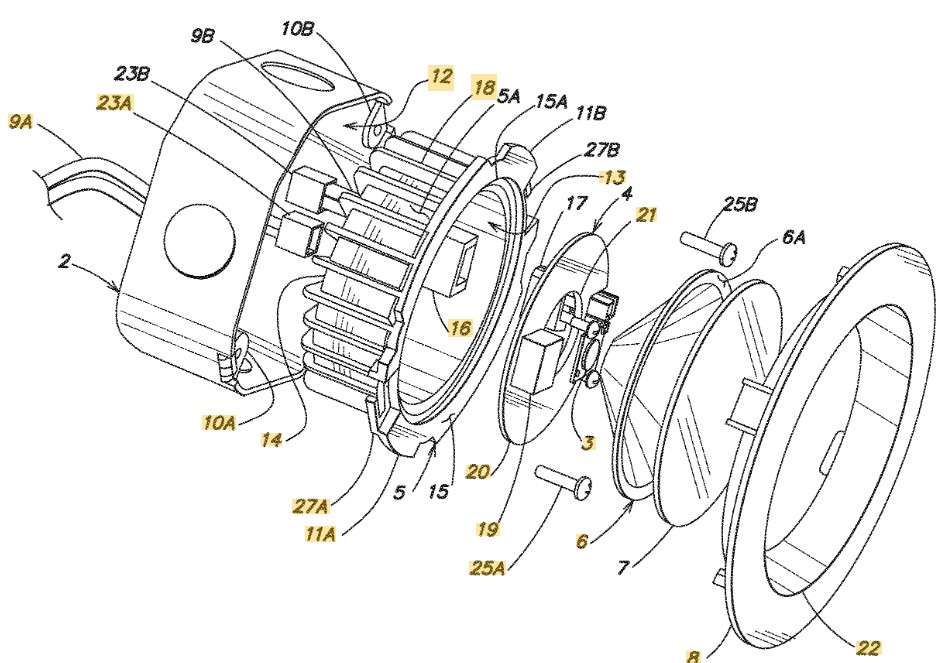
AMP Plus v. DMF: A Closer Look at Obviousness Analysis
On March 19, 2025, the United States Court of Appeals for the Federal Circuit issued its decision in AMP Plus, Inc. v. DMF, Inc., affirming the Patent Trial and Appeal Board’s (PTAB) ruling that AMP Plus, doing business as ELCO Lighting, failed to prove claim 22 of U.S. Patent No. 9,964,266 was unpatentable as obvious.…
-
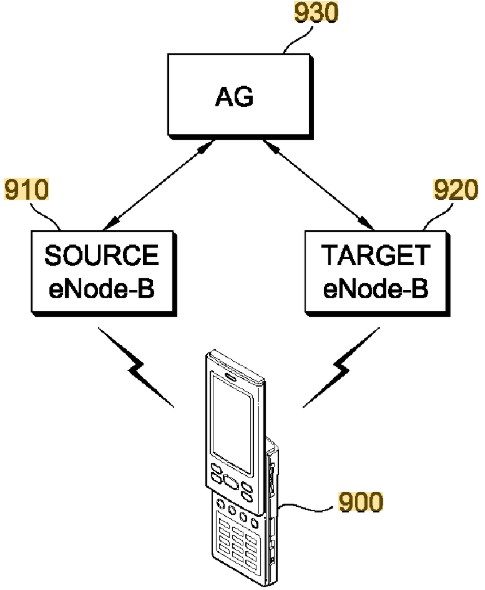
Sierra Wireless v. Sisvel: (Dis)Qualification of Expert Witnesses in the PTAB
In its March 10, 2025 decision in Sierra Wireless, ULC v. Sisvel S.p.A., the Federal Circuit vacated a Patent Trial and Appeal Board (PTAB) decision due, in part, to the improper reliance on an expert witness who was not shown to possess the qualifications of a person of ordinary skill in the art (POSITA). For…
-

Patent Battles in Wearable Tech: AliveCor v. Apple and the Fight Over Arrhythmia Detection
On March 7, 2025, the Federal Circuit issued its decision in AliveCor, Inc. v. Apple Inc., upholding the U.S. Patent and Trademark Office’s Patent Trial and Appeal Board (PTAB) ruling that invalidated AliveCor’s patents on heart rate monitoring technology. The case has significant implications for the wearable technology industry, particularly in the areas of patentability,…
-
Patent Law and Drug Innovation: Federal Circuit Upholds Rejection of ImmunoGen’s Patent Application
On March 6, 2025, the Federal Circuit issued its opinion in ImmunoGen, Inc. v. Stewart, affirming the district court’s ruling that denied ImmunoGen’s patent application for a dosing regimen of its antibody drug conjugate (ADC), IMGN853. The court’s decision, rooted in key principles of intellectual property law, particularly focused on the doctrines of indefiniteness and…
-
Federal Circuit Upholds Patentability of Stem Cell Technology in Restem v. Jadi Cell
The United States Court of Appeals for the Federal Circuit recently issued a significant ruling in Restem, LLC v. Jadi Cell, LLC, upholding the validity of Jadi Cell’s U.S. Patent No. 9,803,176. This case, which originated from an inter partes review (IPR) before the Patent Trial and Appeal Board (PTAB), revolved around whether Restem could…
-
Federal Circuit Weighs in on Gesture-Based Patent Dispute: Key Takeaways for IP Law
The Federal Circuit’s recent decision in Apple Inc. v. Gesture Technology Partners, LLC (March 2025) provides important insights into patent law, particularly in the context of inter partes review (IPR) proceedings and obviousness determinations. This ruling builds on the court’s earlier January 2025 decision in another dispute involving Gesture Technology Partners, reinforcing key legal principles…
-
Federal Circuit Weighs in on Gesture-Controlled Camera Patent Dispute
In a significant ruling on patent validity and inter partes review (IPR) jurisdiction, the Federal Circuit recently decided Apple Inc. v. Gesture Technology Partners, LLC, a case addressing the patentability of gesture-based camera control technology. The decision clarifies key issues surrounding the obviousness of patents, the scope of IPR proceedings, and the ability of the…
-
Federal Circuit Reverses Invalidity Finding for Novartis’ Entresto Patent
On January 10, 2025, the Federal Circuit issued a significant decision in In re Entresto (Sacubitril/Valsartan) Patent Litigation, reversing a district court ruling that had found claims of Novartis’ U.S. Patent 8,101,659 (“the ’659 patent”) invalid for lack of written description. The appellate court affirmed the district court’s rulings that the patent was not invalid…