Tag: obviousness
-

Netlist v. Micron: Federal Circuit Affirms PTAB Obviousness Ruling, Leaves Extra-Petition Prior Art Question Open
The Federal Circuit’s precedential decision in Netlist, Inc. v. Micron Technology, Inc., No. 24-1707 (Fed. Cir. Sept. 2, 2026), affirmed the Patent Trial and Appeal Board’s determination that all challenged claims of a computer-memory patent were obvious, while leaving unresolved an important question about how far the Board may rely on prior art that was…
-
Nielsen v. TVision: Federal Circuit Links Claim Breadth to Analogous Art and Obviousness
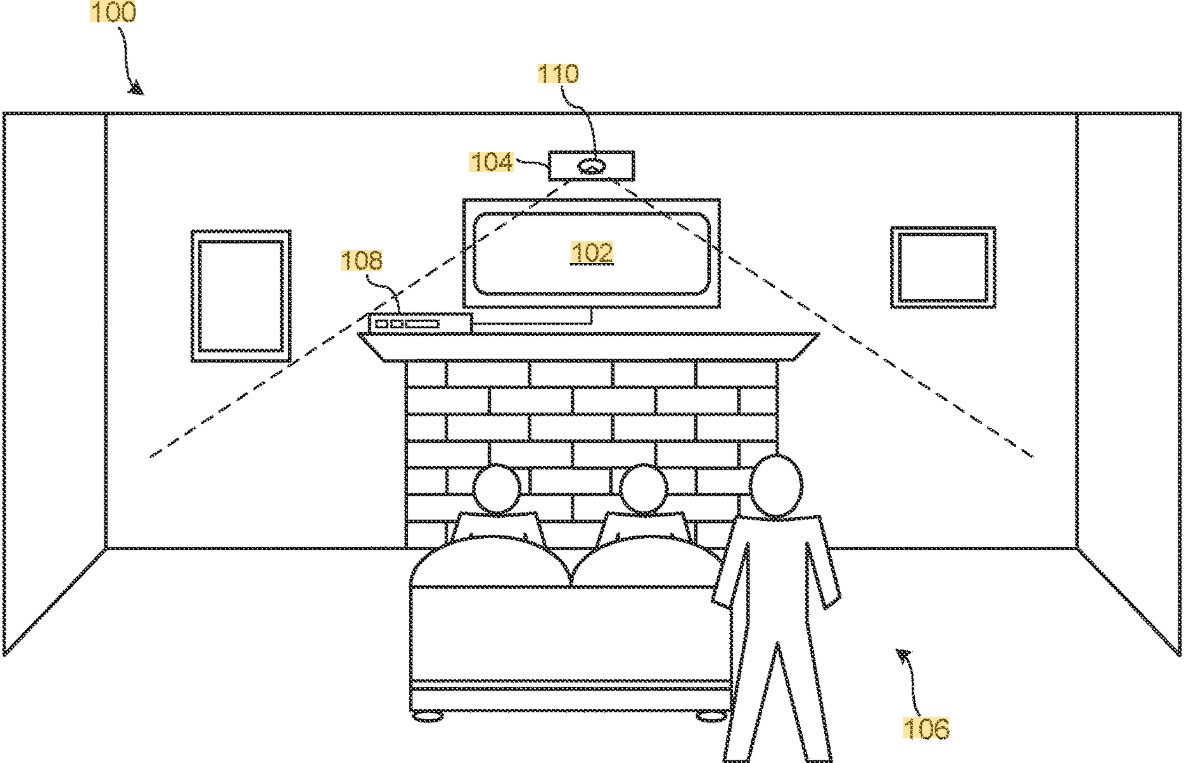
The Federal Circuit’s decision in The Nielsen Company (US), LLC v. TVision Insights, Inc., Case No. 25-1371 (Fed. Cir. August 14, 2026), illustrates a recurring tension in patent law: the breadth that gives a patent claim commercial value can also make the claim more difficult to defend against prior art. Nielsen argued that prior art concerning…
-

Intellectual Pixels v. Sony: Federal Circuit Clarifies What Remains Open After a PTAB Remand
The Federal Circuit’s decision in Intellectual Pixels Limited v. Sony Interactive Entertainment LLC, Case No. 2024-2174 (Fed. Cir. July 10, 2026), clarifies when the Patent Trial and Appeal Board may reconsider factual issues after an appellate remand. Affirming the invalidation of server-based image-rendering patent claims, the court held that the mandate rule binds the Board…
-
Ironburg v. Valve: Federal Circuit Clarifies How Parties Must Prove IPR Estoppel Under §315(e)
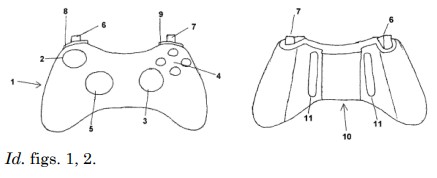
The Federal Circuit’s decision in Ironburg Inventions Ltd. v. Valve Corp., Case No. 2024-2088 (Fed. Cir. June 18, 2026), limits when a patent owner may use inter partes review estoppel to prevent an accused infringer from asserting prior-art invalidity grounds in district court. The court held that a reference is not necessarily discoverable merely because…
-

Hafeman v. Google: Federal Circuit Bars Sotera Institution Challenges and Tightens Nexus Proof
The Federal Circuit’s decision in Hafeman v. Google LLC, Case No. 24-1600 (Fed. Cir. Jun. 5, 2026) addresses three recurring issues in inter partes review practice: the scope of appellate review under 35 U.S.C. § 314(d), the limits of claim construction arguments raised after PTAB proceedings have concluded, and the evidentiary burden required to establish…
-

Ethanol Boosting Systems v. Ford: Federal Circuit Enforces PTAB Institution Finality and Issue Preservation
The Federal Circuit’s December 23, 2025 decision in Ethanol Boosting Systems, LLC v. Ford Motor Company delivers a comprehensive reminder of three recurring themes in modern PTAB litigation: the near-impenetrable bar to reviewing institution decisions, the limits of importing district court claim constructions into inter partes review, and the evidentiary deference accorded to the Board’s…
-

Centripetal Networks v. Palo Alto Networks: When Recusal Fails but Secondary Considerations Revive an IPR
On October 22, 2025, the Federal Circuit issued a mixed but consequential decision in Centripetal Networks, LLC v. Palo Alto Networks, Inc., vacating the Patent Trial and Appeal Board’s final written decision and remanding for further proceedings. While the court firmly rejected Centripetal’s sweeping recusal and due process challenges, it nonetheless concluded that the Board…
-

Causam v. ecobee: Federal Circuit Addresses PTAB Standing, Due Process, and Claim Construction
On the same day the Federal Circuit dismissed Causam’s ITC appeal as moot, it issued the companion decision that explains why the appeal became moot in the first place. In Causam Enterprises, Inc. v. ecobee Technologies ULC, No. 24-1958 (Fed. Cir. Oct. 15, 2025), the court affirmed the Patent Trial and Appeal Board’s final written…
-

Shockwave Medical v. Cardiovascular Systems: Federal Circuit Clarifies Use of AAPA and Reverses PTAB on Claim 5
In a significant decision issued on July 14, 2025, the Federal Circuit in Shockwave Medical, Inc. v. Cardiovascular Systems, Inc., Nos. 2023-1864, 2023-1940, affirmed the Patent Trial and Appeal Board’s finding that most of the claims of U.S. Patent No. 8,956,371 were unpatentable as obvious—but reversed the Board’s lone finding of non-obviousness, holding that claim…
-

Janssen v. Teva: Federal Circuit Affirms Validity of Paliperidone Palmitate Dosing Regimen Patent
In a significant ruling for pharmaceutical patent litigation, the Federal Circuit in Janssen Pharmaceuticals, Inc. v. Teva Pharmaceuticals USA, Inc., Nos. 25-1228, 25-1252 (Fed. Cir. July 8, 2025), affirmed the district court’s determination that U.S. Patent No. 9,439,906 (“the ’906 patent”)—which claims specific dosing regimens for long-acting injectable formulations of the antipsychotic paliperidone palmitate—is not…