Tag: patent law

  • EcoFactor, Inc. v. Google LLC (En Banc): CAFC Clarifies Daubert Gatekeeping for Patent Damages Experts

    EcoFactor, Inc. v. Google LLC (En Banc): CAFC Clarifies Daubert Gatekeeping for Patent Damages Experts

    In a closely watched en banc decision issued on May 21, 2025, the Federal Circuit reversed the district court’s denial of a new trial on damages in EcoFactor, Inc. v. Google LLC, No. 2023-1101. The court held that the trial court abused its discretion by admitting expert damages testimony that was not based on sufficient facts or data, in violation of Federal Rule of Evidence 702 and Daubert. While the Federal Circuit reinstated the prior panel’s decision on non-damages issues, its en banc ruling significantly clarifies and tightens the standard for admissibility of expert testimony in patent damages cases.


    Background

    EcoFactor sued Google in the Western District of Texas, alleging that Google’s Nest thermostats infringed U.S. Patent No. 8,738,327. The jury found infringement and awarded a $20 million lump-sum damages award based on testimony from EcoFactor’s expert, David Kennedy. Kennedy opined that comparable licenses supported a reasonable royalty of $X per unit and that Google should pay damages on that basis.

    Google challenged the admissibility of Kennedy’s opinion under Daubert, arguing that his damages theory was not based on sufficient facts or reliable methodology. A panel of the Federal Circuit affirmed the district court (with Judge Prost dissenting in part), but the court subsequently granted rehearing en banc to consider whether the trial court complied with Rule 702 and Daubert in admitting Kennedy’s per-unit damages theory.


    The En Banc Holding

    Chief Judge Moore, writing for the majority, reversed the district court and ordered a new trial on damages. The court held that Kennedy’s opinion was inadmissible under Rule 702(b) because it relied on an unsupported factual premise: that three prior licensees (Daikin, Schneider, and Johnson Controls) agreed to a $X per-unit royalty in lump-sum settlements with EcoFactor.

    The court emphasized that Rule 702, especially after its 2023 amendment, requires trial courts to determine whether expert opinions rest on sufficient facts and whether those facts support the conclusions the expert seeks to offer. The court clarified that the judicial gatekeeping function under Daubert is not limited to methodology but extends to whether the factual basis itself is adequately supported by the record.


    Why Kennedy’s Testimony Was Excluded

    Kennedy relied on three license agreements to support his conclusion that a $X per-unit royalty had been accepted by other companies in the market. But the court found:

    • The license agreements expressly stated that the lump sums were not based on unit sales and did not reflect a royalty.
    • The “whereas” clauses recited only EcoFactor’s belief about the $X royalty and did not reflect any agreement or shared understanding with the licensees.
    • Kennedy’s testimony that prior licensees paid $X per unit was not supported by the contracts or any underlying sales data.

    Moreover, EcoFactor’s CEO, Shayan Habib, testified that he lacked access to sales data from the licensees and based his understanding of the lump sums on generalized knowledge of the industry and advice from undisclosed advisors. The court found this insufficient to support Kennedy’s expert conclusions.

    Because Kennedy’s opinion that others paid $X per unit was central to his damages analysis, and because the jury may have relied on that opinion in reaching its verdict, the error was not harmless.


    The Role of the 2023 Amendment to Rule 702

    A key part of the opinion is its reliance on the 2023 amendment to Rule 702, which clarified that courts must determine whether it is “more likely than not” that the proffered expert testimony meets the requirements of the rule. Importantly, the amendment emphasizes that questions of sufficiency of the facts or data are questions of admissibility, not weight. The court explicitly criticized the trend among some trial courts to defer these issues to cross-examination or jury consideration, reaffirming that trial judges must exclude opinions that extend beyond what the expert’s basis and methodology can reliably support.


    Interaction with Appellate Review Standards

    Although not the primary focus of the decision, the ruling has prompted commentary (including from Patently-O) about the Federal Circuit’s application of de novo review to what is ostensibly a discretionary evidentiary ruling. While the court couches its holding as a classic abuse-of-discretion review, its willingness to re-interpret the license agreements and witness testimony may suggest a more searching, fact-driven analysis than the deferential standard traditionally implies.

    Charles Gideon Korrell believes that this raises the question of whether the Federal Circuit is re-calibrating its approach to evidentiary rulings in damages cases, especially where expert conclusions turn on contract interpretation or disputed factual premises.


    Reinforcing Precedent on Licensing and Reasonable Royalties

    The decision is rooted in long-standing precedent regarding the use of license agreements in reasonable royalty calculations:

    EcoFactor builds on this line of cases by reinforcing that a reasonable royalty analysis must be grounded in actual, verifiable facts and that experts cannot rely on implied or asserted beliefs absent factual substantiation.


    Broader Implications: Is the Remedies Remedy Now Complete?

    Charles Gideon Korrell sees that the Federal Circuit’s en banc ruling sends a clear message: damages experts must tie their opinions to the factual record in a way that satisfies Rule 702’s admissibility standard—not just survive cross-examination. This decision may mark the culmination of a doctrinal tightening that began over a decade ago.

    If LaserDynamics began the process and Apple v. Motorola accelerated it, the en banc EcoFactor ruling may indeed represent the near-completion of the “remedies remedy”—a recalibration of how courts scrutinize damages theories in patent litigation.

    Experts must now be prepared not only to explain their methodologies but also to demonstrate a verifiable factual foundation for the inputs to their calculations. When the basis for a per-unit royalty is a prior license, courts will require clear evidence that the license actually reflects such a royalty—not just that a party believes it does.


    Final Thoughts

    While the decision is nominally about one expert’s flawed opinion, Charles Gideon Korrell believes that it carries broader implications for how trial courts are expected to apply Rule 702. The Federal Circuit has reinforced that trial judges must actively police the admissibility of expert testimony, particularly in patent damages cases where technical complexity and legal ambiguity often converge.

    Going forward, Charles Gideon Korrell believes that litigants should expect closer scrutiny of any damages theory that relies on settlement agreements or implied royalty rates—and should be ready to defend the factual integrity of those theories from the outset.

    By Charles Gideon Korrell

  • Regents of the University of California v. Broad Institute: Federal Circuit Faults PTAB for Conflating Conception and Reduction to Practice Standards in CRISPR Interference

    Regents of the University of California v. Broad Institute: Federal Circuit Faults PTAB for Conflating Conception and Reduction to Practice Standards in CRISPR Interference

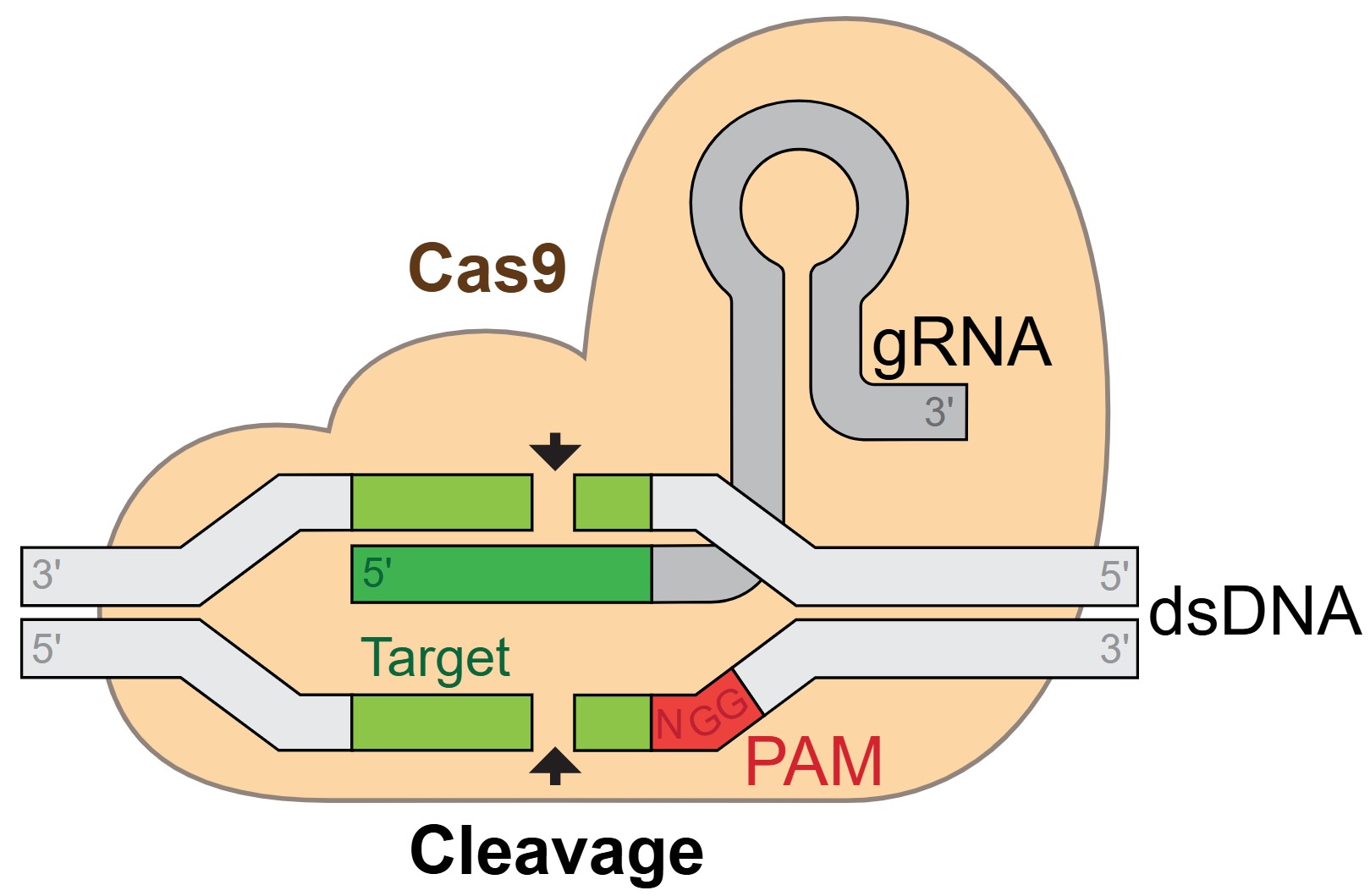
    In a closely watched battle over the origins of one of the most transformative technologies in modern biology, the Federal Circuit has partially reversed a PTAB ruling in Regents of the University of California v. Broad Institute, Inc., No. 22-1653 (Fed. Cir. May 12, 2025). The dispute centers on who first invented the use of CRISPR-Cas9 systems with single-guide RNA (sgRNA) to edit DNA in eukaryotic cells—a breakthrough that has revolutionized gene editing and spurred enormous commercial and scientific interest.

    The Federal Circuit vacated the PTAB’s finding that the Broad Institute had priority over the University of California, University of Vienna, and Emmanuelle Charpentier (collectively, the “Regents”), holding that the Board applied the wrong legal standard for conception. While affirming the PTAB’s determination that the Regents’ provisional applications lacked adequate written description, the Court remanded for further proceedings on conception.


    Background: A Decade-Long Dispute Over CRISPR Dominance

    This interference proceeding is the latest chapter in a long and contentious legal saga between two groups of academic researchers. The Regents’ team, scientists, directed by Emmanuelle Charpentier, Jennifer Doudna, and Martin Jinek, published a seminal 2012 paper demonstrating that a CRISPR-Cas9 system could be programmed using a chimeric sgRNA to cut DNA in a test tube. The Broad team, led by Feng Zhang at MIT and the Broad Institute, was the first to obtain patents for using CRISPR-Cas9 in eukaryotic cells, including human cells, after submitting expedited applications to the USPTO.

    The potential commercial implications of these patents are immense. CRISPR technologies are foundational in developing gene therapies, agricultural tools, and synthetic biology applications. The 2020 Nobel Prize in Chemistry was awarded to Doudna and Charpentier for their discovery, but the patent rights remained under dispute. This case, involving Interference No. 106,115, marks the second interference declared between the parties and focuses specifically on claims involving the use of a single-guide CRISPR-Cas9 system in eukaryotic cells.


    Federal Circuit: PTAB Misapplied the Legal Standard for Conception

    The Federal Circuit found that the PTAB improperly required the Regents’ scientists to know their invention would work in eukaryotic cells in order to establish conception. This, the Court held, conflated the distinct legal standards for conception and reduction to practice.

    Citing Burroughs Wellcome Co. v. Barr Labs, Inc., 40 F.3d 1223 (Fed. Cir. 1994), the panel emphasized that an inventor need only have a “definite and permanent idea” of the complete invention. Certainty of success or experimental proof is not required at the conception stage.

    The Court also held that:

    • The PTAB placed undue weight on contemporaneous expressions of doubt by the Regents’ scientists, without analyzing whether these doubts led to substantive changes in their design;
    • The Board erred by failing to consider whether others—using the Regents’ published design and routine methods—were able to achieve successful editing in eukaryotic cells, which would support the argument that the invention required only ordinary skill to reduce to practice;
    • The PTAB wrongly disregarded the use of “routine techniques” in the field as a key factor in assessing whether conception had been achieved.

    The Court remanded the case for further findings under the proper legal framework, which will allow the Regents to reargue their priority claim based on their early 2012 planning and public disclosures.


    Written Description: Affirmed Due to Unpredictability in the Field

    The Court affirmed the PTAB’s determination that the Regents’ first (P1) and second (P2) provisional applications lacked adequate written description under 35 U.S.C. § 112. The claims at issue involved an sgRNA-guided CRISPR-Cas9 system functioning in a eukaryotic cell.

    Given the acknowledged unpredictability in adapting prokaryotic systems to eukaryotes, the Court agreed with the PTAB that the P1 application did not sufficiently convey possession of an operative embodiment. The Board reasonably found that the application lacked specific instructions or empirical evidence demonstrating success or feasibility, particularly in light of the complexity of the technology.

    Although the Court reaffirmed that a working example is not required, it found the Regents’ disclosure wanting because it failed to bridge the gap between concept and implementation in eukaryotic systems.


    Broad’s Cross-Appeal: Dismissed as Moot

    Broad’s cross-appeal challenged the PTAB’s construction of “guide RNA” as being limited to a single-molecule configuration. However, the Court dismissed the appeal as moot because the Board had denied Broad’s related motions on independent procedural grounds that Broad did not challenge on appeal. Thus, even if the claim construction were reversed, it would not alter the outcome of those rulings.


    Takeaways

    This decision breathes new life into the Regents’ claims of priority in the eukaryotic CRISPR space and signals the Federal Circuit’s continued insistence on correctly distinguishing between conception and reduction to practice. Some key takeaways:

    • The Court reaffirmed that certainty of success is not required for conception. Inventors need only have a definite and permanent idea of the invention that a person of ordinary skill can reduce to practice.
    • In unpredictable arts like biotechnology, written description demands more. Disclosure must demonstrate possession, not just hypothesis, particularly when transitioning between biological systems.
    • Experimental success by third parties using routine methods is relevant to whether an invention was complete at the time of conception.
    • Procedural missteps can be fatal. Broad’s failure to adequately support its claim construction-based motions before the PTAB rendered its cross-appeal ineffectual.

    As this high-stakes dispute continues to unfold, the next round at the PTAB may prove decisive in determining who truly owns the foundational CRISPR patent rights in eukaryotic systems.

    By Charles Gideon Korrell

  • Incyte Corp. v. Sun Pharmaceutical Industries: Federal Circuit Reverses Preliminary Injunction for Lack of Irreparable Harm

    Incyte Corp. v. Sun Pharmaceutical Industries: Federal Circuit Reverses Preliminary Injunction for Lack of Irreparable Harm

    In a follow-on decision reinforcing its earlier order, the Federal Circuit in Incyte Corp. v. Sun Pharmaceutical Industries, Ltd., reversed a preliminary injunction granted by the U.S. District Court for the District of New Jersey. The district court had enjoined Sun from launching its FDA-approved drug Leqselvi, a deuterated version of ruxolitinib for treating alopecia areata (AA), based on Incyte’s assertion of U.S. Patent No. 9,662,335. The Federal Circuit found that Incyte failed to establish irreparable harm—a required element for injunctive relief under Winter v. Natural Resources Defense Council, 555 U.S. 7 (2008)—rendering the injunction improper.

    Background

    Incyte’s ’335 patent covers deuterated ruxolitinib compounds, and the dispute arose after Sun secured FDA approval in July 2024 to market Leqselvi for AA. Incyte, which is still in early development stages for a topical version of the drug, moved to preliminarily enjoin Sun. The district court granted the motion, primarily crediting Incyte’s argument that Sun’s launch would grant it a “head start” and erode Incyte’s competitive position before its own product could reach the market.

    The Federal Circuit’s Analysis

    Writing for the panel, Chief Judge Moore found the district court’s irreparable harm analysis clearly erroneous. The court underscored that preliminary injunctions require a showing that harm is likely absent an injunction, not merely speculative or inevitable.

    While the Federal Circuit recognized that in some cases a first-mover advantage and loss of “sticky” customer relationships may constitute irreparable harm (Bio-Rad Labs., Inc. v. 10X Genomics Inc., 967 F.3d 1353 (Fed. Cir. 2020); Natera, Inc. v. NeoGenomics Labs., Inc., 106 F.4th 1369 (Fed. Cir. 2024)), the facts here were materially different. Unlike Natera, where the injunction prevented immediate entry and preserved the patentee’s imminent market position, Incyte’s product is still years away from launch—even under its most optimistic development timeline—and certainly after the ’335 patent’s expiration in December 2026.

    This distinction proved fatal to Incyte’s argument. As the court explained, “[b]ecause Incyte cannot enjoin Sun from launching after its ’335 patent expires, Sun’s multi-year head start is inevitable regardless of any injunction.” Thus, any advantage Sun might gain from launching before Incyte was not attributable to the absence of an injunction, but to the natural expiration of the patent.

    Comparison to Earlier Decision

    This ruling builds on the court’s prior order on April 9, 2025, vacating the injunction without a full opinion. Both decisions underscore a consistent message: patent holders must offer concrete, non-speculative proof of irreparable harm that an injunction can actually prevent. A delay in entry that would happen regardless of judicial intervention—because of patent expiration or the plaintiff’s own development delays—does not suffice.

    Key Takeaways

    1. Inevitable Market Entry Is Not Irreparable Harm: When a competitor’s entry into the market is inevitable post-patent expiration, courts will be reluctant to find that harm from early entry is “irreparable.”
    2. Development Timelines Matter: A patent holder that is years away from commercial launch faces a high hurdle in arguing that it will suffer imminent harm absent an injunction.
    3. First-Mover Advantage Is Contextual: While first-mover advantage can support injunctive relief, it must be tethered to a plausible timeline and preventable disruption.

    This decision reflects the Federal Circuit’s increasing scrutiny of the evidentiary basis for irreparable harm, particularly in the pharmaceutical and biotech space. Litigants seeking preliminary injunctions would be wise to present a realistic commercial timeline and show how the injunction meaningfully alters competitive dynamics within the remaining life of the patent.

    By Charles Gideon Korrell

  • Jazz Pharmaceuticals v. Avadel CNS Pharmaceuticals: Clarifying the Limits of Injunctive Relief Under the Hatch-Waxman Safe Harbor

    Jazz Pharmaceuticals v. Avadel CNS Pharmaceuticals: Clarifying the Limits of Injunctive Relief Under the Hatch-Waxman Safe Harbor

    In the recent Federal Circuit decision Jazz Pharmaceuticals, Inc. v. Avadel CNS Pharmaceuticals, LLC, the court provided critical guidance on the limits of injunctive relief relating to FDA submissions and clinical trials under the Hatch-Waxman Act.

    Background and Procedural History

    Jazz Pharmaceuticals manufactures Xywav®, currently the only FDA-approved drug for treating idiopathic hypersomnia (IH). Avadel CNS Pharmaceuticals sought approval of its competing product, Lumryz, for narcolepsy and IH through a paper New Drug Application (NDA) relying partly on data associated with Jazz’s Xyrem®.

    Jazz’s patent infringement lawsuit initially relied on 35 U.S.C. § 271(e)(2), claiming Avadel’s FDA submission infringed its later-issued patent, the ’782 patent. The district court permanently enjoined Avadel from applying for FDA approval or marketing Lumryz for IH, initiating new clinical trials, and offering open-label extensions (OLE) in clinical studies.

    Federal Circuit’s Analysis and Key Holdings

    The Federal Circuit addressed each aspect of the district court’s injunction separately:

    1. Initiating New Clinical Trials: The court unequivocally reversed this portion of the injunction, emphasizing that the Hatch-Waxman safe harbor (§ 271(e)(1)) expressly protects activities solely related to FDA submissions. The court noted that such experimental activities do not constitute infringement and that § 271(e)(3) explicitly bars injunctive relief against these safe-harbor activities. The panel emphasized that no factual development was required here, given the purely legal nature of Avadel’s challenge to this aspect of the injunction.
    2. Offering Open-Label Extensions (OLE): Similarly, the injunction prohibiting Avadel from offering OLE periods to clinical trial participants was reversed. The Federal Circuit clarified that this activity had not been adjudicated to fall outside the protection of the safe harbor, and thus, prematurely enjoining it exceeded statutory limits.
    3. Applying for FDA Approval for New Indications: The court vacated and remanded the injunction barring FDA submissions for new Lumryz indications. While acknowledging FDA submissions themselves do not infringe under § 271(a), the court explored the nuance of artificial infringement under § 271(e)(2). The decision identified unresolved legal questions about whether submitting a paper NDA for a non-Orange Book listed patent constitutes artificial infringement, directing the district court to examine this issue on remand. The Federal Circuit underscored that even if not infringement, an injunction against submitting FDA applications could only stand if clearly necessary to prevent actual infringement—an analysis the lower court had not sufficiently articulated.

    Implications for Patent Litigation and FDA Regulatory Submissions

    This ruling highlights the judicial restraint required in granting injunctions in pharmaceutical patent cases, especially concerning activities explicitly shielded under Hatch-Waxman’s safe harbor provisions. Companies engaged in FDA-related drug development activities can rely on clearer boundaries protecting their clinical research endeavors. Furthermore, the decision signals to district courts that injunctive relief must directly correspond to actual or likely infringing activities and be clearly supported by detailed factual and legal analysis.

    The remand provides further opportunity for nuanced interpretation and application of the Hatch-Waxman Act, particularly regarding the interplay between FDA regulatory submissions and patent infringement litigation, setting important precedent for future cases.

    By Charles Gideon Korrell

  • Ingenico Inc. v. IOENGINE, LLC: Public Availability of Prior Art Software Invalidates Patent Claims

    Ingenico Inc. v. IOENGINE, LLC: Public Availability of Prior Art Software Invalidates Patent Claims

    In a recent decision, Ingenico Inc. v. IOENGINE, LLC, the Federal Circuit upheld a jury’s finding that several claims of IOENGINE’s U.S. Patent Nos. 9,059,969 and 9,774,703 were invalid due to anticipation and obviousness by publicly available prior art. Specifically, the Court affirmed that a software application known as the “Firmware Upgrader,” part of M-Systems’ DiskOnKey System, constituted prior art under the “public use” provision of 35 U.S.C. § 102(b) (pre-AIA).

    Background

    IOENGINE’s patents relate to portable devices, such as USB thumb drives, that send communications to network servers upon user interaction. Ingenico challenged the validity of IOENGINE’s patents by demonstrating prior public use of M-Systems’ DiskOnKey System, including its Firmware Upgrader software.

    At trial, Ingenico presented significant circumstantial evidence of the Firmware Upgrader’s public accessibility before the critical date. Evidence included a July 2002 email to M-Systems employees encouraging dissemination of the Firmware Upgrader and associated documentation, a public press release, and archived web pages from which the software could be downloaded.

    Court Analysis and Key Precedents

    The Federal Circuit’s analysis emphasized two important precedents:

    1. Medtronic, Inc. v. Teleflex Innovations S.A.R.L. (2023) clarified that circumstantial evidence is equally persuasive and sufficient compared to direct evidence for proving public use.
    2. Minnesota Mining & Manufacturing Co. (3M) v. Chemque, Inc. (2002) was distinguished due to the lack of evidence in 3M demonstrating that samples provided were ever used in a manner fulfilling claim requirements.

    In contrast to 3M, Ingenico demonstrated clear evidence that the Firmware Upgrader software was publicly accessible and encouraged for use, meeting the claims’ criteria once downloaded. Thus, circumstantial evidence was adequate to satisfy the public use requirement.

    Clarification on IPR Estoppel and Jury Instructions

    IOENGINE argued for a new trial, asserting improper jury instructions regarding conception, diligence, public use, and sales offers. It also challenged the district court’s decision allowing Ingenico to rely on prior art under IPR estoppel provisions.

    The Federal Circuit rejected these arguments, holding that the jury was properly instructed on the clear and convincing evidence standard and other critical issues. Additionally, the court clarified the scope of IPR estoppel under 35 U.S.C. § 315(e)(2), holding that estoppel does not extend to grounds involving public use or on-sale bar evidence because these grounds cannot be raised in inter partes review, which is limited to printed publications and patents as prior art.

    Conclusion

    The decision underscores the importance of demonstrating prior art’s public accessibility through circumstantial evidence. Additionally, it offers crucial guidance on the limits of IPR estoppel, affirming that petitioners are free to assert public use and on-sale bars in district court actions despite participating in an IPR. Patent holders and challengers alike must carefully consider the implications of public availability and IPR proceedings in shaping their litigation strategies.

    By Charles Gideon Korrell

  • Fintiv, Inc. v. PayPal Holdings, Inc.: No Structure, No Claim — Payment Handler Terms Held Indefinite Under § 112 ¶ 6

    Fintiv, Inc. v. PayPal Holdings, Inc.: No Structure, No Claim — Payment Handler Terms Held Indefinite Under § 112 ¶ 6

    In Fintiv, Inc. v. PayPal Holdings, Inc., No. 23-2312 (Fed. Cir. Apr. 30, 2025), the Federal Circuit affirmed the Western District of Texas’s ruling that the asserted patent claims were invalid as indefinite. The decision underscores the court’s continued enforcement of 35 U.S.C. § 112 ¶ 6 for software-related terms that fail to recite sufficient structure, extending the line of cases exemplified by Williamson v. Citrix Online, LLC, 792 F.3d 1339 (Fed. Cir. 2015).

    Background

    Fintiv asserted four patents—U.S. Patent Nos. 9,892,386, 11,120,413, 9,208,488, and 10,438,196—relating to a cloud-based mobile transaction system. At issue were various claims referring to a “payment handler” or “payment handler service” that either (1) used APIs of various payment processors or (2) exposed a common API for interacting with them.

    The district court, applying § 112 ¶ 6, found the payment-handler terms to be means-plus-function limitations and held the claims indefinite for failure to disclose corresponding structure. Fintiv appealed.

    Key Holdings

    1. The Payment Handler Terms Invoke § 112 ¶ 6

    The Federal Circuit agreed with the district court that the “payment handler” and “payment handler service” terms were functional, lacked sufficient structural meaning, and thus invoked § 112 ¶ 6. Although these terms did not use the word “means,” the court found that the presumption against § 112 ¶ 6 was rebutted under Williamson, which allows application of § 112 ¶ 6 when a term “recites function without reciting sufficient structure for performing that function.”

    The panel emphasized that:

    • “Handler” is akin to “module,” a term previously found by the court to lack structural significance.
    • Appending the term “payment” did not supply structure but merely described a function.
    • Expert testimony indicated that a person of ordinary skill would not understand how to implement the recited functions based on the claim language alone.

    Fintiv’s reliance on Dyfan, LLC v. Target Corp., 28 F.4th 1360 (Fed. Cir. 2022), was unpersuasive. Unlike Dyfan, where unrebutted expert testimony supported structure, here neither party’s expert testified that “payment handler” connoted a definite structure.

    2. Lack of Corresponding Structure in the Specification

    Once § 112 ¶ 6 was triggered, the court found that the patents failed to disclose any algorithm or adequate structure for the “payment handler” functionality. Merely restating the claimed function—“wrap[ping] APIs” and “expos[ing] a common API”—did not meet the requirement.

    Citing Aristocrat Technologies Australia Pty Ltd. v. International Game Technology, 521 F.3d 1328 (Fed. Cir. 2008), and Rain Computing, Inc. v. Samsung Electronics America, Inc., 989 F.3d 1002 (Fed. Cir. 2021), the court reiterated that describing only a general-purpose computer without a specific algorithm is insufficient.

    Fintiv’s attempt to point to a supposed two-step algorithm was rejected as merely a restatement of the claim language. The court also dismissed the idea that the figures in the patents showed a structural implementation of the payment handler, noting a lack of clarity on how the functions were performed or how different APIs were integrated.

    Implications

    This decision adds to the growing body of Federal Circuit case law demanding structural specificity in software patent claims. Key takeaways include:

    • Terms that combine a generic function descriptor with a purpose (e.g., “payment handler”) are increasingly likely to be swept into § 112 ¶ 6 territory if not clearly supported by structural description.
    • Boilerplate specification language that simply mirrors claim terms without detailing implementation will not rescue functional claims.
    • Practitioners should be cautious in relying on software terms like “service,” “module,” or “handler” without anchoring them to known, sufficiently detailed structures or algorithms in the specification.

    Conclusion

    Fintiv v. PayPal reiterates that when it comes to software patents, claiming a function is not enough—patentees must disclose how the function is performed with sufficient specificity. This decision reinforces the Federal Circuit’s post-Williamson trajectory and continues the tightening of indefiniteness doctrine in the software space.

    By Charles Gideon Korrell

  • Qualcomm v. Apple: Express Reliance on Applicant Admitted Prior Art Bars IPR Ground

    Qualcomm v. Apple: Express Reliance on Applicant Admitted Prior Art Bars IPR Ground

    In Qualcomm Inc. v. Apple Inc., Nos. 2023-1208, -1209 (Fed. Cir. Apr. 23, 2025), the Federal Circuit reversed the Patent Trial and Appeal Board’s (PTAB) post-remand decision, holding that the Board erred in allowing Apple’s inter partes review (IPR) ground to proceed based on a misinterpretation of 35 U.S.C. § 311(b). The ruling clarifies the limits on how applicant admitted prior art (AAPA) can be used in IPR petitions and underscores that the “basis” of a ground must consist solely of patents or printed publications.

    Background

    Apple filed two IPR petitions challenging claims of Qualcomm’s U.S. Patent No. 8,063,674, which relates to integrated circuits using multiple power supplies. Each petition included two obviousness grounds under § 103. At issue was “Ground 2,” which relied on AAPA (specifically, Figure 1 and text of the ’674 patent) in view of a published patent application (Majcherczak) and, for some claims, the Matthews patent.

    PTAB originally found Apple’s use of AAPA permissible, treating it as prior art under § 311(b). Qualcomm appealed, and in Qualcomm I, the Federal Circuit held that AAPA is not “prior art consisting of patents or printed publications” and remanded to the Board to determine whether AAPA improperly formed the “basis” of the petition.

    On remand, the Board, applying PTO guidance, adopted an “in combination” rule: AAPA used alongside at least one qualifying patent or printed publication does not form the basis of a ground under § 311(b). It upheld Ground 2 and invalidated the challenged claims.

    The Federal Circuit’s Decision

    Judge Reyna, writing for a unanimous panel, reversed. The court held that:

    1. Reviewability Not Barred by § 314(d): Apple argued that Qualcomm’s challenge was a barred appeal of the PTAB’s institution decision. The court disagreed, finding Qualcomm’s arguments targeted the final written decision, not the institution itself. Citing SAS Inst. v. Iancu and Cuozzo, the court emphasized that § 314(d) does not bar judicial review of questions about how the agency conducts an IPR once it is instituted.
    2. PTAB Misinterpreted § 311(b): The court found the “in combination” rule—allowing AAPA to escape classification as a “basis” when paired with other art—contravened the plain meaning of the statute. AAPA is not a qualifying patent or publication and cannot form any part of the basis of an IPR ground. Reliance on AAPA to supply missing claim limitations may be permissible for obviousness analysis, but not if it constitutes part of the “basis” for the challenge.
    3. Express Statements by Petitioner Are Binding: The court found that Apple’s petitions explicitly labeled Ground 2 as based on “Applicants [sic] Admitted Prior Art (AAPA) in view of” other prior art, thereby violating § 311(b). Because petitioners are masters of their petitions, express characterizations like this are binding. The Board erred in disregarding these express admissions and allowing the ground to proceed.

    Takeaways

    • Express language matters. Petitioners must carefully draft IPR petitions and avoid designating AAPA as part of the “basis” under § 311(b), even if combined with qualifying references.
    • AAPA’s role is limited. While it may be used to demonstrate the knowledge of a person of ordinary skill, AAPA cannot form any part of the legal “basis” for an unpatentability ground under § 311(b).
    • Board discretion is not absolute. Even under the America Invents Act’s streamlined IPR process, statutory boundaries like § 311(b) remain enforceable and reviewable.

    This decision is a key reminder for IPR practitioners: precision in petition drafting is essential, and the statutory language must be honored, even when PTAB or PTO guidance suggests more flexible interpretations.

  • Recentive Analytics, Inc. v. Fox Corp.: Applying Generic Machine Learning to a New Environment Is Not Enough for Patent Eligibility

    Recentive Analytics, Inc. v. Fox Corp.: Applying Generic Machine Learning to a New Environment Is Not Enough for Patent Eligibility

    In Recentive Analytics, Inc. v. Fox Corp., No. 23-2437 (Fed. Cir. Apr. 18, 2025), the Federal Circuit affirmed the dismissal of a patent infringement suit on § 101 grounds, holding that Recentive’s asserted patents were directed to ineligible subject matter. The court concluded that the patents merely applied well-known machine learning techniques to the new context of scheduling live events and generating television network maps, without disclosing any specific improvements to the machine learning models themselves.

    Background: Scheduling and Broadcasting with ML

    Recentive sued Fox Corp., alleging infringement of four patents that described the use of machine learning to optimize the scheduling of live events and dynamically generate television broadcast “network maps.” These network maps determined which programs would air in which local markets at specific times, a particularly complex task in the context of live sports broadcasts like NFL games.

    Historically, networks made these scheduling decisions manually, based on general market heuristics or static planning tools. Recentive claimed to have pioneered a method that applied machine learning to this domain, using models trained on historical data—such as ticket sales, regional viewer preferences, and event logistics—to create optimized schedules and automatically update them in response to real-time data. According to Recentive, Fox deployed similar technology in its broadcast operations without a license, including tools that tailored game broadcasts for maximum ratings across different affiliates and time slots.

    The four asserted patents fell into two categories:

    • Machine Learning Training Patents ('367 and ‘960 patents): Directed to generating optimized event schedules using machine learning models trained on historical event data.
    • Network Map Patents ('811 and '957 patents): Concerned with using machine learning to optimize network broadcast schedules and dynamically update network maps in response to changing conditions.

    While the patents invoked modern ML techniques—such as neural networks, support vector machines, and gradient-boosted forests—they required only “any suitable machine learning technique” and did not claim new models, architectures, or training methods.

    The Alice Framework

    Applying the Alice two-step test, the court evaluated whether the patents were directed to patent-eligible subject matter under § 101.

    Step One: Directed to an Abstract Idea

    At step one, the court found that the patents were directed to the abstract idea of applying generic machine learning methods to new domains (event scheduling and network mapping). Key to the court’s analysis:

    • Generic ML Use: The court emphasized that Recentive’s claims merely described using conventional ML techniques to solve known scheduling and broadcast optimization problems.
    • Field of Use Limitation: Applying ML to a previously “unsophisticated” domain like television scheduling was not enough. As the court reiterated, restricting an abstract idea to a specific environment does not render it eligible.
    • No Technological Improvement: Although the patents touted “real-time” and “dynamic” scheduling, the court found these features to be inherent to ML itself and lacking any claimed improvement to the underlying technology.

    The court distinguished the claims from those in Enfish, McRO, and Koninklijke, where specific improvements to computer functionality or data processing methods were claimed. Instead, it likened the case to SAP Am. v. InvestPic and Electric Power Group, where courts rejected abstract data-processing claims lacking technical specificity.

    Step Two: No Inventive Concept

    At step two, the court found that the claims lacked any “inventive concept” sufficient to transform the abstract idea into a patent-eligible application:

    • Generic computing environment: The patents were implemented on general-purpose computing hardware.
    • No technical solution: Even features like real-time updating and iterative training were inherent aspects of machine learning, not technological innovations.
    • Efficiency gains irrelevant: The court reiterated that merely achieving results faster or more efficiently using a computer does not make a claim patent-eligible (Content Extraction, Customedia, Trinity).

    A Clear Line on ML and § 101

    In holding that “patents that do no more than claim the application of generic machine learning to new data environments” are ineligible, the panel clarified how existing § 101 jurisprudence applies to ML-related patents:

    • To survive Alice, claims must go beyond stating the use of ML in a novel context. They must describe how the ML models themselves are improved or implemented in a technically meaningful way.
    • This decision aligns with recent decisions like SAP Am. v. InvestPic, Electric Power Group, and Stanford, which stress that invoking known tools on new datasets is not enough.

    Litigation Strategy: The Algorithm That Wasn’t Claimed

    A particularly revealing moment came during oral argument when Recentive’s counsel admitted that they deliberately avoided claiming a new ML algorithm. The rationale? Fear of falling into another § 101 trap: the prohibition on claiming natural laws or mathematical formulas.

    This litigation strategy underscores the dilemma facing patent drafters in AI and ML. Claims that are too abstract fail at Alice step one; claims that are too technical risk being characterized as mathematical laws or unpatentable subject matter at step two. In seeking to thread that needle, Recentive ended up with patents that described no technical implementation at all—just an invocation of ML on a new dataset.

    This signals a growing tension in ML patent prosecution: balancing § 101 eligibility with disclosure sufficiency, without accidentally triggering disqualification under the guise of abstraction or mathematical formalism.

    Takeaway for Practitioners

    The Federal Circuit’s decision in Recentive sends a clear and cautionary message to those drafting or litigating AI-related patents:

    • ML Must Be More Than a Buzzword: Simply applying a standard ML model—without claiming how the model is improved or adapted—will almost certainly fail under § 101.
    • Implementation Details Matter: Vague references to “dynamically optimized schedules” or “real-time adjustment” will not suffice without concrete technical means to achieve those goals.
    • Disclosure Strategy Is Crucial: Avoiding algorithmic detail to sidestep one § 101 problem may backfire by triggering another. Patent claims must walk a fine line: detailed enough to show inventive application, but not so mathematical as to seem like an unpatentable law of nature.
    • Field-of-Use Limits Won’t Rescue Abstract Claims: No matter how novel the application, courts will disregard “do it with AI” claims that offer no technological advance in the computing or modeling process itself.
    • Expect Closer Scrutiny in Litigation: Plaintiffs asserting AI-driven patents will need to show not just commercial similarity but also a clearly delineated inventive step in how ML is implemented. As Recentive illustrates, merely identifying an infringing product that uses AI will not save a claim that lacks specificity in what the invention actually improves.

    Machine learning may revolutionize many industries, but for now, it does not exempt patentees from the requirements of § 101. To claim such innovations successfully, applicants must do more than dress up abstract ideas in predictive analytics—they must show how their inventions improve the underlying technology itself.

    By Charles Gideon Korrell

  • Sage Products, LLC v. Stewart: “Sterile” Label in UK Document Found to Anticipate U.S. “Sterilized” Patent Claims

    Sage Products, LLC v. Stewart: “Sterile” Label in UK Document Found to Anticipate U.S. “Sterilized” Patent Claims

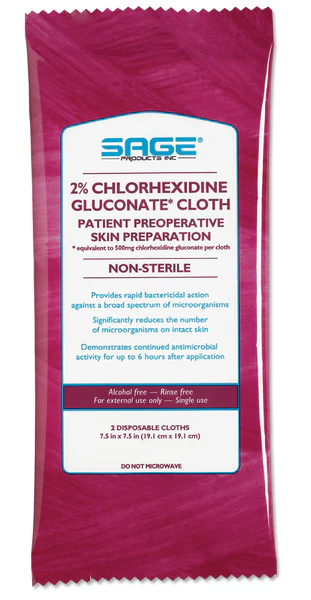
    In Sage Products, LLC v. Stewart, No. 2023-1603 (Fed. Cir. Apr. 15, 2025), the Federal Circuit affirmed the Patent Trial and Appeal Board’s (PTAB) finding that all challenged claims of Sage’s U.S. Patent Nos. 10,398,642 and 10,688,067 were unpatentable due to anticipation and obviousness. The ruling centered on whether a UK public assessment report (PAR) describing a product as “sterile” met the U.S. claim limitations requiring a “sterilized” composition. The court held that a skilled artisan would understand the regulatory meaning of “sterile” in the UK to include the concept of “sterilized” under U.S. patent law, thereby rendering the claims anticipated.

    Key Background

    Sage’s patents relate to sterilized chlorhexidine gluconate compositions used in antiseptic applicators. The PTAB instituted IPRs against multiple claims of these patents based on three grounds: (1) anticipation by the ChloraPrep PAR; (2) obviousness over the PAR and general knowledge; and (3) obviousness over the PAR in view of a U.S. publication (Degala).

    At issue was whether the PAR—an official regulatory document issued by the UK’s Medicines and Healthcare Products Regulatory Agency (MHRA)—disclosed a “sterilized” composition within the meaning of the claims.

    Key Prior Art and the “Sterile” vs. “Sterilized” Debate

    The PAR described a ChloraPrep product containing chlorhexidine gluconate and isopropyl alcohol for pre-operative skin disinfection, stating that the product is “sterile” and “sterile unless the seal is broken.” Importantly, the UK’s regulatory standard BS EN 556-1 defines “sterile” as having a sterility assurance level (SAL) of ≤10⁻⁶.

    The Board interpreted “sterilized” as requiring “a suitable sterilization process such that sterility can be validated,” and determined that a skilled artisan would equate the PAR’s “sterile” designation with this definition.

    Sage argued that this was a misreading, contending that even experts at the time misunderstood the ChloraPrep product to be sterile when it was not. Sage’s expert, Dr. Rutala, testified that the state of the art assumed ChloraPrep’s active antiseptic solution was not sterilized. However, the Board credited the testimony of BD’s expert, Dr. Dabbah, who explained that a skilled artisan with at least four years of experience in sterilization would understand that the UK labeling requirements effectively guaranteed terminal sterilization compliant with BS EN 556-1.

    The Federal Circuit’s Analysis

    The court upheld the PTAB’s factual findings under the substantial evidence standard:

    • Regulatory Understanding: The court found it “implausible” that a skilled artisan would be unaware of UK regulatory standards that governed the PAR’s use of the term “sterile.”
    • SAL and Composition Claims: The court affirmed that the PAR, read in light of BS EN 556-1, disclosed a sterilized composition with an SAL in the claimed range (10⁻³ to 10⁻⁹).
    • Dependent Claims: The court also upheld the Board’s findings that limitations such as a “sterilized colorant” were met, based on the overall characterization of the product as “sterile.”
    • Procedural Arguments: The court rejected Sage’s argument that the Board exceeded the scope of the IPR or improperly relied on extrinsic evidence. Expert testimony and references like Degala and Chiang were permissible to help interpret what the PAR disclosed to a skilled artisan.
    • Enablement: The court found no error in the Board’s reliance on other references to confirm that the methods of sterilization disclosed in the PAR were enabled.

    Takeaway

    This case underscores the importance of considering the regulatory context and the knowledge of a person of ordinary skill when interpreting foreign public documents during validity challenges. Here, the Federal Circuit signaled that official regulatory language, such as “sterile,” can carry weight under U.S. patent law when understood to meet the technical requirements of a claim—even when arising from a different jurisdiction.

    Moreover, this opinion reinforces that a patent challenger can use a combination of prior art and expert testimony to establish that a foreign document anticipates U.S. patent claims, especially when such a document reflects regulatory compliance with rigorous standards like BS EN 556-1.

    By Charles Gideon Korrell

  • Azurity Pharmaceuticals v. Alkem Labs: Prosecution Disclaimer and “Consisting Of” Language Bar Infringement Finding

    Azurity Pharmaceuticals v. Alkem Labs: Prosecution Disclaimer and “Consisting Of” Language Bar Infringement Finding

    In Azurity Pharmaceuticals, Inc. v. Alkem Laboratories Ltd., No. 23-1977 (Fed. Cir. Apr. 8, 2025), the Federal Circuit affirmed the District of Delaware’s ruling that Alkem’s Abbreviated New Drug Application (ANDA) product did not infringe Azurity’s U.S. Patent No. 10,959,948 (“’948 patent”) due to a clear and unmistakable prosecution disclaimer of propylene glycol.

    Background

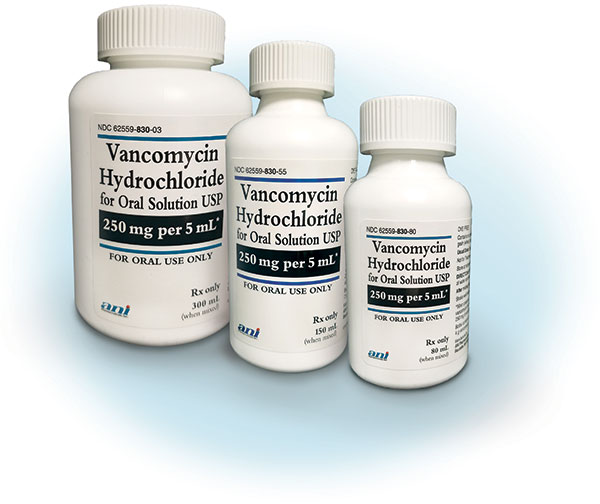
    Azurity’s ’948 patent claims drinkable, non-sterile liquid formulations of vancomycin, tailored to pediatric and geriatric patients. The asserted claims used a “consisting of” transition, listing specific ingredients but omitting propylene glycol. During prosecution, Azurity’s predecessor application had been repeatedly rejected over Palepu (U.S. Pat. App. Pub. No. 2016/0101147), which disclosed vancomycin formulations including propylene glycol.

    To overcome these rejections, Azurity amended its claims to include the “consisting of” transition and repeatedly emphasized the absence of propylene glycol. The examiner’s notice of allowance explicitly cited this absence as the basis for allowance. Although a later sibling application (not in the same line of priority) included a statement purporting to reserve the right to claim propylene glycol, the Federal Circuit found this late-stage statement irrelevant and ineffective to undo the earlier disclaimer.

    Key Legal Holdings

    1. Clear Prosecution Disclaimer
      The court held that Azurity “clearly and unmistakably” disclaimed propylene glycol to distinguish its claims from Palepu, citing Data Engine Techs. LLC v. Google LLC, 10 F.4th 1375 (Fed. Cir. 2021), and TriVascular, Inc. v. Samuels, 812 F.3d 1056 (Fed. Cir. 2016). The disclaimer applied broadly across all claim limitations due to Azurity’s sweeping and repeated statements.
    2. Effect of “Consisting Of” Language
      Use of the closed “consisting of” transition further limited the claims to exclude unlisted components like propylene glycol. Citing Norian Corp. v. Stryker Corp., 363 F.3d 1321 (Fed. Cir. 2004), and AFG Indus., Inc. v. Cardinal IG Co., 239 F.3d 1239 (Fed. Cir. 2001), the court emphasized that such transitions typically exclude any additional components.
    3. Ineffectiveness of Later Statement in Related Prosecution
      A disclaimer made in a parent application binds later continuations (Elkay Mfg. Co. v. Ebco Mfg. Co., 192 F.3d 973 (Fed. Cir. 1999)), but a later, unilateral attempt to retract that disclaimer in a grand-nephew application (filed in parallel) did not negate the clear disclaimer made during the original prosecution.
    4. Interpretation of Pretrial Stipulation
      Azurity’s reliance on a discovery stipulation—that flavoring agents may contain or omit propylene glycol—did not undo the prosecution disclaimer. The court, citing Akamai Techs., Inc. v. Limelight Networks, Inc., 805 F.3d 1368 (Fed. Cir. 2015), found the stipulation did not equate to a concession on infringement or override the prosecution record.
    5. Non-Infringement Finding Supported by ANDA Content
      Since Alkem’s ANDA product contains propylene glycol, and the patented formulation disclaimed that compound, the Federal Circuit affirmed the finding of non-infringement. The case underscores the principle, restated from Ferring B.V. v. Watson Labs., Inc.-Fla., 764 F.3d 1401 (Fed. Cir. 2014), that an ANDA’s defined composition controls the infringement analysis under Hatch-Waxman.

    Takeaways

    This decision reinforces the enduring power of prosecution disclaimer, especially when paired with the “consisting of” claim transition. Practitioners should be mindful that:

    • Statements made to overcome prior art will likely limit claim scope—even if arguably broader than necessary.
    • Subsequent clarifying or contradictory statements in sibling applications cannot override earlier disclaimers.
    • Closed claim language (“consisting of”) combined with clear disclaimer can preclude infringement where additional components are present.

    Careful claim drafting and prosecution strategy remain essential tools in preserving enforceable patent scope.

    By Charles Gideon Korrell