Tag: prior art
-

Netlist v. Micron: Federal Circuit Affirms PTAB Obviousness Ruling, Leaves Extra-Petition Prior Art Question Open
The Federal Circuit’s precedential decision in Netlist, Inc. v. Micron Technology, Inc., No. 24-1707 (Fed. Cir. Sept. 2, 2026), affirmed the Patent Trial and Appeal Board’s determination that all challenged claims of a computer-memory patent were obvious, while leaving unresolved an important question about how far the Board may rely on prior art that was…
-

Board of Regents v. Boston Scientific: Federal Circuit Reverses Jury Verdict on Anticipation and the Meaning of “Fiber”
The Federal Circuit’s decision in Board of Regents of the University of Texas System v. Boston Scientific Corp., Case Nos. 2024-2062 and 2024-2063 (Fed. Cir. July 27, 2026), reverses a patent-infringement judgment involving drug-eluting coronary stents and illustrates how a jury verdict cannot survive when the asserted distinctions from the prior art are absent from…
-
Ironburg v. Valve: Federal Circuit Clarifies How Parties Must Prove IPR Estoppel Under §315(e)
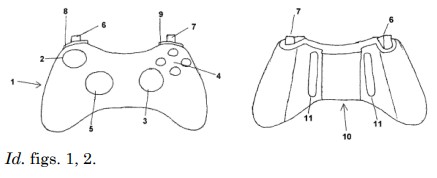
The Federal Circuit’s decision in Ironburg Inventions Ltd. v. Valve Corp., Case No. 2024-2088 (Fed. Cir. June 18, 2026), limits when a patent owner may use inter partes review estoppel to prevent an accused infringer from asserting prior-art invalidity grounds in district court. The court held that a reference is not necessarily discoverable merely because…
-

Definitive Holdings v. Powerteq: Federal Circuit Reinforces Broad Reach of the Pre-AIA On-Sale Bar
The Federal Circuit’s recent decision in Definitive Holdings, LLC v. Powerteq LLC, Case No. 24-1761 (Fed. Cir. Apr. 14, 2026), provides another reminder that pre-AIA § 102(b) remains a powerful invalidity tool, particularly when older commercial products can be reconstructed through circumstantial evidence, archived software, and corporate testimony. The case arose from technology relating to…
-

Merck Serono v. Hopewell Pharma Ventures: When “By Another” Really Means Everyone
The Federal Circuit’s decision in Merck Serono S.A. v. Hopewell Pharma Ventures, Inc., Nos. 2025-1210, -1211 (Fed. Cir. Oct. 30, 2025), delivers a clarifying—and unforgiving—interpretation of what it means for prior art to be “by another” under pre-AIA 35 U.S.C. § 102. The opinion reinforces a long-standing but often underappreciated principle: unless the inventive entity…
-
Ingenico Inc. v. IOENGINE, LLC: Public Availability of Prior Art Software Invalidates Patent Claims
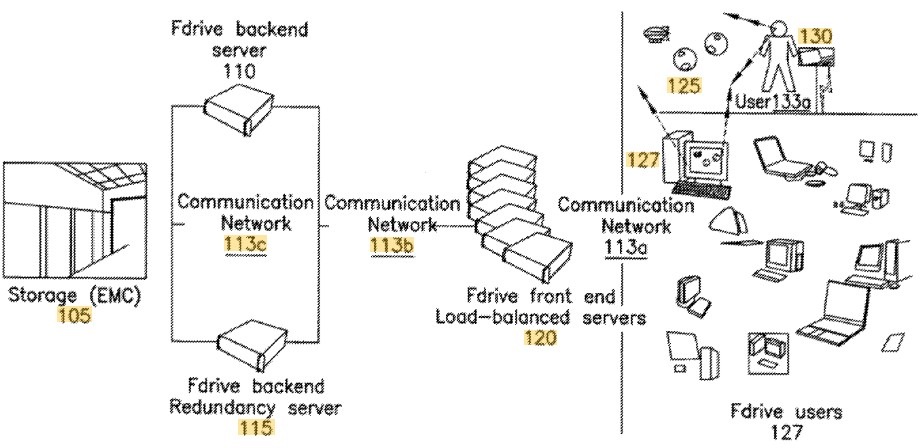
In a recent decision, Ingenico Inc. v. IOENGINE, LLC, the Federal Circuit upheld a jury’s finding that several claims of IOENGINE’s U.S. Patent Nos. 9,059,969 and 9,774,703 were invalid due to anticipation and obviousness by publicly available prior art. Specifically, the Court affirmed that a software application known as the “Firmware Upgrader,” part of M-Systems’…
-

Qualcomm v. Apple: Express Reliance on Applicant Admitted Prior Art Bars IPR Ground
In Qualcomm Inc. v. Apple Inc., Nos. 2023-1208, -1209 (Fed. Cir. Apr. 23, 2025), the Federal Circuit reversed the Patent Trial and Appeal Board’s (PTAB) post-remand decision, holding that the Board erred in allowing Apple’s inter partes review (IPR) ground to proceed based on a misinterpretation of 35 U.S.C. § 311(b). The ruling clarifies the…
-
In re Riggs: Clarification of 102(e) Prior Art:
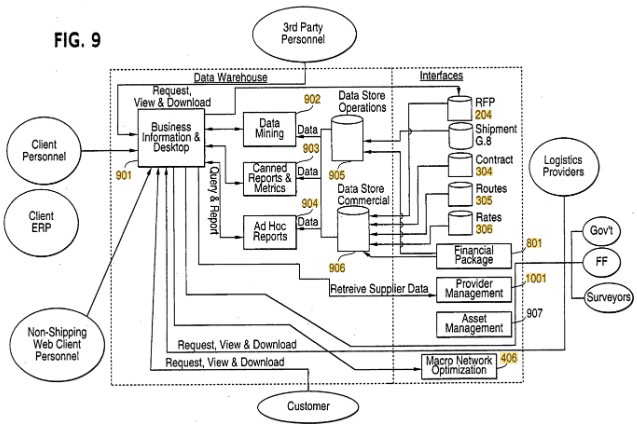
In its opinion, the Federal Circuit vacated and remanded a Patent Trial and Appeal Board (PTAB) decision in In re Riggs, No. 22-1945, clarifying the framework for determining whether a published U.S. patent application can rely on the filing date of a provisional application to qualify as prior art under pre-AIA 35 U.S.C. § 102(e).…
-
Federal Circuit Vacates PTAB Decision in CQV Co. v. Merck Patent GmbH, Raising Key Issues in Patent Infringement and Prior Art Analysis
The United States Court of Appeals for the Federal Circuit recently issued an opinion in CQV Co., Ltd. v. Merck Patent GmbH, vacating and remanding the Patent Trial and Appeal Board (PTAB) decision regarding U.S. Patent No. 10,647,861. The ruling focuses on key legal issues related to patent infringement, prior art determination, and procedural fairness…
-
Federal Circuit Weighs in on Gesture-Controlled Camera Patent Dispute
In a significant ruling on patent validity and inter partes review (IPR) jurisdiction, the Federal Circuit recently decided Apple Inc. v. Gesture Technology Partners, LLC, a case addressing the patentability of gesture-based camera control technology. The decision clarifies key issues surrounding the obviousness of patents, the scope of IPR proceedings, and the ability of the…