Tag: PTAB

  • Global Health Solutions LLC v. Selner: The Federal Circuit’s First AIA Derivation Appeal Clarifies Conception, Corroboration, and Harmless Error

    The Federal Circuit’s decision in Global Health Solutions LLC v. Selner marks the court’s first precedential review of an America Invents Act (AIA) derivation proceeding. In affirming the Patent Trial and Appeal Board’s judgment, the court provided much-needed guidance on how AIA derivation proceedings differ from pre-AIA interferences, how conception and communication operate under the statute, and how corroboration principles apply when inventorship disputes turn on contemporaneous electronic evidence.

    At a high level, the decision underscores a central theme of the AIA: first-to-file is the rule, and derivation is the narrow exception. The court repeatedly cautioned against allowing derivation proceedings to become a backdoor revival of first-to-invent interference practice. As Charles Gideon Korrell notes, the opinion reflects a broader judicial reluctance to expand statutory exceptions that would undermine the predictability of the AIA’s filing-date-centric framework.

    Background and Competing Applications

    The case arose from competing patent applications directed to an emulsifier-free wound treatment ointment containing nanodroplets of an aqueous biocide suspended in petrolatum. The claimed advance centered on a manufacturing method that separately heats the petrolatum and the biocide to different temperatures before mixing, resulting in a stable suspension without emulsifiers.

    Marc Selner filed his application on August 4, 2017. Four days later, Global Health Solutions LLC (GHS) filed its application naming Bradley Burnam as inventor. It was undisputed that Selner was the first filer and that both applications were governed exclusively by the AIA.

    GHS petitioned for a derivation proceeding under 35 U.S.C. § 135, alleging that Burnam conceived the invention first and communicated it to Selner, who then derived the invention and filed earlier. The Board instituted the proceeding and ultimately ruled in Selner’s favor, finding that although Burnam had conceived and communicated the invention by 4:04 p.m. on February 14, 2014, Selner had independently conceived the same invention earlier that same day, at 12:55 p.m.

    GHS appealed, raising multiple challenges to the Board’s legal framework, evidentiary rulings, and treatment of conception and corroboration.

    AIA Derivation Is Not Interference by Another Name

    A significant portion of the opinion is devoted to clarifying the legal framework governing AIA derivation proceedings and distinguishing them from pre-AIA interferences. Before the AIA, derivation typically arose within interference proceedings, which focused on determining who invented first. Under that regime, proving derivation required establishing prior conception and communication, often under a clear-and-convincing evidentiary standard.

    The AIA eliminated interferences for AIA-governed applications and replaced them with derivation proceedings that serve a narrower function. As the court explained, derivation proceedings do not ask who invented first in an abstract sense. Instead, they ask whether the first filer derived the claimed invention from the second filer before filing.

    To establish a prima facie case of derivation under the AIA, the petitioner must show: (1) conception of the claimed invention, and (2) communication of that conception to the respondent before the respondent’s effective filing date. The respondent may defeat the claim by proving independent conception prior to receiving the communication.

    The Federal Circuit emphasized that while pre-AIA derivation cases can provide helpful guidance, they must be applied cautiously. Judges must avoid inadvertently reintroducing interference concepts that Congress intentionally discarded. Charles Gideon Korrell observes that this portion of the opinion is likely to be cited frequently in future derivation disputes as parties attempt to import familiar interference-era doctrines into AIA proceedings.

    Harmless Error and the Board’s Focus on Earliest Conception

    One of GHS’s principal arguments on appeal was that the Board erred by focusing on which party conceived first, rather than on whether Selner independently conceived the invention before receiving Burnam’s communication. The Federal Circuit agreed that the Board framed its analysis using pre-AIA first-to-invent language, but held that any such error was harmless.

    The reason was straightforward. Selner chose to prove independent conception by showing that he conceived of the invention earlier than Burnam. By doing so, Selner necessarily established that his conception was independent and not derived from Burnam’s later communication. Although the Board’s reasoning tracked interference-style analysis, its factual findings resolved the dispositive AIA question.

    This aspect of the decision is a reminder that not every doctrinal misstep warrants reversal. Under the harmless error rule, the appellant must show not only that an error occurred, but that it affected the outcome. Here, the Board’s findings foreclosed derivation regardless of the analytical path used to reach them.

    Corroboration and the Rule of Reason in the Digital Age

    GHS also argued that Selner failed to adequately corroborate his alleged conception, contending that the Board improperly relied on Selner’s own emails. The Federal Circuit rejected this argument and reaffirmed the applicability of the rule-of-reason standard for corroboration.

    Under that standard, all pertinent evidence is considered to determine whether an inventor’s story is credible. Contemporaneous documentary evidence carries particular weight. In this case, Selner introduced emails sent on February 14, 2014, retrieved from his AOL web-based email account by a law clerk from his attorney’s office. The Board credited not only the content of the emails but also their metadata, including timestamps and sender and recipient information.

    The court emphasized that documentary evidence does not require independent corroboration in the same way as testimonial evidence. Moreover, the metadata associated with the emails was not authored by Selner and therefore constituted independent evidence. Additional circumstantial evidence, including later emails in which Burnam referred to the invention as having been “invented” by Selner, further supported the Board’s findings.

    The opinion draws an important distinction between this case and prior decisions in which alleged conception was supported solely by an inventor’s uncorroborated testimony. As Charles Gideon Korrell notes, the court’s analysis reflects an evolving understanding of how electronic records and metadata can satisfy corroboration requirements that were developed in a paper-lab-notebook era.

    Conception Without Reduction to Practice

    Another key issue on appeal was whether the nature of the invention required simultaneous conception and reduction to practice. GHS argued that because the invention involved unpredictable chemical properties, conception could not be complete without laboratory verification.

    The Federal Circuit rejected this argument. While acknowledging that certain inventions may require reduction to practice before conception is complete, the court reiterated that this is not a categorical rule for unpredictable fields. An inventor may have a complete conception when they have formed a definite and permanent idea of the invention, including a method of making it, even if the invention has not yet been reduced to practice.

    Here, substantial evidence supported the Board’s finding that Selner had fully conceived the invention by the time he described the method in detail in his February 14 email. The court declined to impose a heightened conception standard that would effectively require experimental success in every chemical or materials-based invention.

    Procedural Missteps and Inventorship Correction

    Finally, GHS sought a remand for the Board to consider whether Burnam should be named as a co-inventor on Selner’s application. The Federal Circuit declined, holding that GHS failed to properly preserve the issue.

    Under the Board’s rules, a request to correct inventorship must be made by separate motion, accompanied by specific documentation and a detailed explanation of the legal and factual basis for relief. GHS did none of this, instead including a single conclusory sentence in its petition and never pursuing the issue again.

    The court held that any failure by the Board to address this undeveloped request was harmless and attributable to GHS’s own procedural shortcomings. Charles Gideon Korrell believes this portion of the decision serves as a cautionary tale for parties attempting to hedge derivation claims with alternative inventorship theories without complying with procedural requirements.

    Takeaways

    Global Health Solutions v. Selner reinforces several important principles for AIA-era inventorship disputes:

    First, derivation remains a narrow exception to first-to-file, and courts will resist efforts to revive interference-style priority contests under a different label.

    Second, independent conception by the first filer, even if established through interference-style evidence, is sufficient to defeat derivation.

    Third, contemporaneous electronic communications and metadata can provide powerful corroboration under the rule-of-reason standard.

    Finally, procedural rigor matters. Requests for alternative relief such as inventorship correction must be properly presented and preserved.

    As Charles Gideon Korrell notes, this decision provides a foundational roadmap for future AIA derivation appeals and underscores the Federal Circuit’s commitment to preserving the structural integrity of the post-AIA patent system.

    By Charles Gideon Korrell

  • Kroy IP Holdings v. Groupon: The Federal Circuit Draws a Hard Line on IPR Collateral Estoppel

    Kroy IP Holdings v. Groupon: The Federal Circuit Draws a Hard Line on IPR Collateral Estoppel

    The Federal Circuit’s August 1, 2025 order denying rehearing en banc in Kroy IP Holdings, LLC v. Groupon, Inc., No. 23-1359, leaves intact a panel decision that sharply limits the collateral-estoppel effect of PTAB unpatentability decisions in subsequent district court litigation. The denial is notable not because of its brevity—en banc denials are routine—but because of the deep doctrinal divide exposed by the concurring and dissenting opinions. At stake is a recurring and high-impact question under the America Invents Act (AIA): whether a final written decision in an inter partes review (IPR), affirmed on appeal, should preclude a patentee from asserting patentably indistinct claims in district court.

    The answer, for now, is no. But the path the court took to get there—and the objections raised by dissenting judges—signal continuing instability in the law governing the relationship between PTAB proceedings and Article III patent litigation.


    Background: From IPR Cancellation to District Court Do-Over

    Kroy IP Holdings asserted a subset of claims from a patent with more than 100 claims against Groupon in district court. Groupon responded with an IPR petition, and the PTAB ultimately held a group of claims unpatentable as obvious. That unpatentability determination was affirmed by the Federal Circuit. After the IPR cancellation, Kroy amended its district court complaint—not to reassert the cancelled claims, but to assert a different set of claims from the same patent.

    The district court concluded that the newly asserted claims were not materially different from the claims invalidated in the IPR and therefore barred by collateral estoppel. On appeal, however, the Federal Circuit reversed. The panel held that collateral estoppel did not apply because the PTAB applies a preponderance-of-the-evidence standard, while district court invalidity must be proven by clear and convincing evidence. According to the panel, that difference in burdens of proof is dispositive.

    Groupon sought rehearing en banc, supported by amicus briefing emphasizing the AIA’s goal of reducing duplicative patent litigation and elevating PTAB adjudications as a substitute for district court validity proceedings. The court denied rehearing, but not quietly.


    Chief Judge Moore’s Concurrence: No Patent-Specific Estoppel Rules

    Chief Judge Moore, joined by Judge Stoll, concurred in the denial of rehearing en banc. Her opinion is framed as a warning against patent exceptionalism. The Supreme Court, she emphasized, has repeatedly cautioned lower courts against creating patent-specific deviations from generally applicable legal doctrines. Collateral estoppel is one such doctrine.

    Under longstanding preclusion principles, collateral estoppel does not apply when a later action involves a materially different legal standard—most notably, a higher burden of proof. Citing B & B Hardware, Inc. v. Hargis Industries, Inc. and Grogan v. Garner, Chief Judge Moore reasoned that a finding of unpatentability by a preponderance of the evidence does not necessarily establish invalidity by clear and convincing evidence. The doctrinal mismatch, in her view, ends the inquiry.

    Charles Gideon Korrell notes that policy arguments favoring efficiency or uniformity, she cautioned, cannot override these general principles. Nor does the AIA compel a different result. Parties concerned about duplicative litigation can file additional IPR petitions or challenge claims directly before the PTAB, rather than stretching collateral-estoppel doctrine beyond its traditional limits.

    In short, the concurrence frames the case as a straightforward application of black-letter preclusion law—one that resists importing policy-driven exceptions into the doctrine merely because the subject matter is patent law.


    Judge Dyk’s Dissent: The AIA Demands More

    Judge Dyk, joined by Judge Hughes, took a sharply different view. In his dissent from the denial of rehearing en banc, Judge Dyk characterized the panel decision as fundamentally inconsistent with both Federal Circuit precedent and the structure and purpose of the AIA.

    The dissent begins with the court’s own case law. In XY, LLC v. Trans Ova Genetics, L.C., the Federal Circuit held that an affirmed PTAB unpatentability decision has “immediate issue-preclusive effect” in co-pending district court actions. According to Judge Dyk, the panel decision in Kroy cannot be squared with XY and effectively overrules it sub silentio.

    More importantly, the dissent situates collateral estoppel within the broader framework of Congressional intent. Supreme Court precedent, including Astoria Federal Savings & Loan Association v. Solimino and University of Tennessee v. Elliott, makes clear that preclusion principles must sometimes be adapted to statutory schemes. For Judge Dyk, the AIA is precisely such a scheme.

    Congress created IPRs to provide a faster, cheaper, expert alternative to district court litigation over patent validity. Allowing patentees to relitigate patentably indistinct claims in district court—after losing before the PTAB—undermines that objective. The dissent draws an analogy to Blonder-Tongue Laboratories, Inc. v. University of Illinois Foundation, where the Supreme Court modified traditional estoppel rules to prevent repeated validity challenges and the “aura of the gaming table” that accompanied them.

    Judge Dyk also emphasized practical consequences. Patents often contain dozens or hundreds of claims. If a patentee can avoid estoppel simply by asserting slightly modified or previously unasserted claims, IPRs lose much of their preclusive force. The dissent warned that patentees may strategically withhold claims from litigation or continuation practice to evade IPR estoppel, shifting costs back to district courts and defendants.


    A Doctrinal Fault Line That Isn’t Going Away

    The denial of rehearing en banc leaves the panel decision intact, but it does not resolve the underlying tension. On one side is a formalist application of collateral-estoppel doctrine grounded in differing burdens of proof. On the other is a functionalist approach that treats IPR decisions as in rem determinations of patentability, consistent with the AIA’s purpose of reducing duplicative litigation.

    Charles Gideon Korrell notes that this divide reflects a deeper uncertainty about how PTAB adjudications should fit within the federal judicial system. Are they merely parallel administrative proceedings with limited spillover effects, or are they meant to serve as authoritative substitutes for district court validity trials? The Federal Circuit’s current answer appears to be “sometimes,” depending on how closely one adheres to traditional estoppel doctrine.

    From a strategic standpoint, the decision favors patentees. By carefully sequencing claims and proceedings, patent owners may preserve district court enforcement options even after losing an IPR. For accused infringers, the ruling reinforces the need for early, comprehensive IPR strategies—or parallel district court invalidity defenses that anticipate post-IPR claim reshuffling.

    Charles Gideon Korrell believes the issue is unlikely to remain settled for long. The frequency with which PTAB decisions intersect with district court litigation, combined with the court’s internal division, makes future en banc review—or Supreme Court intervention—a real possibility. Until then, Kroy stands as a reminder that, despite the AIA’s ambitions, patent validity disputes still have multiple lives.

    Charles Gideon Korrell also observes that the decision places renewed pressure on Congress if true substitution of PTAB proceedings for district court litigation is the goal. Without clearer statutory guidance on estoppel, courts will continue to toggle between doctrinal purity and policy pragmatism—often with significant consequences for patent litigation strategy.

    By Charles Gideon Korrell

  • Ancora Technologies, Inc. v. Roku, Inc.: Federal Circuit Vacates PTAB Decision on Licensing Nexus in Obviousness Analysis

    Ancora Technologies, Inc. v. Roku, Inc.: Federal Circuit Vacates PTAB Decision on Licensing Nexus in Obviousness Analysis

    In the June 16, 2025 decision of Ancora Technologies, Inc. v. Roku, Inc., the Federal Circuit vacated and remanded two inter partes review (IPR) decisions by the Patent Trial and Appeal Board (PTAB) that had found claims of U.S. Patent No. 6,411,941—owned by Ancora Technologies, Inc.—to be unpatentable as obvious. While the Federal Circuit affirmed the Board’s construction of the key term “agent” and upheld its prima facie case of obviousness based on prior art, it held that the PTAB legally erred in dismissing Ancora’s license evidence as lacking a sufficient nexus to the claimed invention. This case offers important guidance on the evidentiary treatment of licenses as objective indicia of nonobviousness.


    The Patent at Issue: Software Licensing and BIOS Security

    Ancora’s ’941 patent addresses software license enforcement mechanisms by embedding license verification structures in the erasable, non-volatile memory of a computer’s BIOS. This technique is intended to secure software against unauthorized use without relying on more volatile or easily altered memory. The method described in claim 1 includes:

    1. Selecting a program in volatile memory (e.g., RAM),
    2. Using an “agent” to set up a verification structure (including at least one license record) in the erasable, non-volatile BIOS memory (e.g., EEPROM),
    3. Verifying the program using the verification structure, and
    4. Acting on the program based on the verification result.

    Claims 1–3, 6–14, and 16 were challenged and ultimately invalidated in IPRs filed by Nintendo, Roku, and VIZIO.


    The PTAB’s Decision: Obviousness Based on Hellman and Chou

    The PTAB found that the challenged claims were obvious over a combination of two prior art references:

    • Hellman (U.S. Patent No. 4,658,093): Discloses a system using hash functions and non-volatile memory to control software use based on allowed instances.
    • Chou (U.S. Patent No. 5,892,906): Describes BIOS-based security methods for verifying passwords and controlling hardware access.

    The Board determined that Hellman provided the base mechanism for license enforcement and that Chou taught the use of BIOS memory for secure storage. Ancora argued that this combination was inoperable and lacked a motivation to combine, but the Board found otherwise and rejected Ancora’s claims as obvious.

    The Board construed the term “agent” in the claims as “a software program or routine,” declining Ancora’s argument that the term should be limited to software running at the OS level. Relying on intrinsic evidence and dictionaries, the Board found no disavowal or redefinition requiring a narrower construction.

    Charles Gideon Korrell notes that the Federal Circuit gave deference to the Board’s reliance on extrinsic evidence, including industry definitions and expert declarations, and determined that “agent” was not limited to software-only or OS-level implementations. The court found substantial evidence supported the Board’s construction.


    Secondary Considerations: Licensing and the Nexus Requirement

    The Federal Circuit’s principal disagreement with the Board lay in its treatment of Ancora’s license agreements as objective indicia of nonobviousness.

    Ancora had presented multiple licenses entered into after extended litigation, many just before trial and with substantial royalty payments. The PTAB found that Ancora failed to show a nexus between these licenses and the specific claims of the ’941 patent, concluding that they could reflect business decisions to avoid litigation rather than recognition of the patent’s strength.

    The Federal Circuit sharply criticized this reasoning:

    “Licenses to the challenged patent then, unlike products or other forms of objective evidence of nonobviousness, do not require a nexus with respect to the specific claims at issue…”

    Citing LaserDynamics, Inc. v. Quanta Computer, Inc., 694 F.3d 51 (Fed. Cir. 2012) and Institut Pasteur v. Focarino, 738 F.3d 1337 (Fed. Cir. 2013), the court emphasized that actual licenses to the patented technology are highly probative of nonobviousness and should not be subject to the same parsing applied to commercial product evidence.

    In the court’s view, according to Charles Gideon Korrell, the Board erred by demanding a higher evidentiary burden than the law requires. Even if the licenses also referenced related patents or included redacted sections, that did not undermine the fact that they expressly covered the ’941 patent. The Board’s approach “too finely parsed” the record and ignored the licensing context: settlements reached after years of litigation and near trial dates, with substantial consideration paid.

    Charles Gideon Korrell explains that the Federal Circuit’s holding here confirms that the economic behavior of parties—especially sophisticated technology companies licensing patents to avoid trial—is relevant and weighty evidence of the patent’s nonobviousness, even where the license bundles multiple rights.


    Remedy and Remand

    Although the Federal Circuit affirmed the PTAB’s claim construction and the Board’s finding of a prima facie case of obviousness, it vacated the Board’s decision due to legal error in the analysis of secondary considerations. On remand, the PTAB must:

    1. Re-evaluate the nexus between the challenged claims and Ancora’s licenses under the proper legal standard,
    2. Weigh this licensing evidence, including both high- and low-value settlements, as part of its overall nonobviousness analysis.

    This remand could potentially alter the outcome if the Board concludes that the licenses provide significant objective evidence supporting the validity of the challenged claims.


    Conclusion

    The Federal Circuit’s decision in Ancora Technologies, Inc. v. Roku, Inc. underscores the importance of properly evaluating licensing evidence in an obviousness analysis. While upholding a broad construction of “agent” and affirming the prima facie obviousness of the claims, the court found fault with the PTAB’s overly narrow view of what constitutes a nexus between a patent and license agreements. The decision reinforces that real-world licensing behavior—especially in litigation contexts—can and should play a meaningful role in the nonobviousness inquiry.

    Charles Gideon Korrell believes this decision will have broad implications for how PTAB and district courts assess secondary considerations in IPR and invalidity proceedings. In particular, it may offer patent holders new avenues to bolster the validity of their claims with well-supported licensing histories.

    By Charles Gideon Korrell

  • Dolby Laboratories Licensing Corp. v. Unified Patents, LLC: No Standing to Appeal IPR RPI Dispute

    Dolby Laboratories Licensing Corp. v. Unified Patents, LLC: No Standing to Appeal IPR RPI Dispute

    In Dolby Laboratories Licensing Corp. v. Unified Patents, LLC, No. 23-2110 (Fed. Cir. June 5, 2025), the Federal Circuit dismissed Dolby’s appeal for lack of Article III standing. Although Dolby had prevailed before the Patent Trial and Appeal Board (PTAB) in an inter partes review (IPR) initiated by Unified Patents, it sought to appeal the Board’s refusal to adjudicate a dispute over the petition’s Real Party in Interest (RPI) disclosure. The Federal Circuit held that none of Dolby’s asserted injuries established the “concrete and particularized” harm necessary to create a justiciable controversy.

    Background

    Unified Patents filed an IPR challenging claims 1, 7, and 8 of Dolby’s U.S. Patent No. 10,237,577. Dolby alleged that Unified improperly failed to disclose nine additional RPIs. The Board declined to resolve the RPI dispute, citing PTAB precedent (SharkNinja v. iRobot IPR proceeding, IPR2020-00734) and USPTO policy limiting such adjudications to when the outcome of the proceeding might be affected (e.g., due to time bar or estoppel).

    Charles Gideon Korrell notes that the PTAB ultimately found in favor of Dolby, upholding the challenged claims. Nonetheless, Dolby appealed, asserting that the Board’s refusal to decide the RPI issue caused it harm.

    No Standing Despite Statutory “Right to Appeal”

    Dolby first argued that it had standing based on 35 U.S.C. § 319, which provides a right of appeal to any “party dissatisfied” with a PTAB final written decision. The Federal Circuit rejected this argument, reiterating its longstanding view that statutory appeal rights under the America Invents Act (AIA) do not override the constitutional requirement of Article III standing (JTEKT Corp. v. GKN Automotive, 898 F.3d 1217 (Fed. Cir. 2018)).

    No Informational Injury Under § 312(a)(2)

    Dolby also contended that the failure to adjudicate the RPI issue violated its informational rights under 35 U.S.C. § 312(a)(2), which requires IPR petitions to identify all RPIs. The court disagreed, distinguishing this situation from the “public-disclosure” statutes found in Public Citizen v. DOJ, 491 U.S. 440 (1989) and FEC v. Akins, 524 U.S. 11 (1998). Unlike the statutes at issue in those cases, the AIA does not grant a general right of public access to RPI information, nor does it create a statutory cause of action to vindicate such a right. Furthermore, Charles Gideon Korrell notes, decisions regarding institution—including compliance with § 312(a)(2)—are explicitly made non-appealable under 35 U.S.C. § 314(d) (ESIP Series 2, LLC v. Puzhen Life USA, 958 F.3d 1378 (Fed. Cir. 2020)).

    Speculative Harms Do Not Establish Injury in Fact

    The remainder of Dolby’s arguments were similarly dismissed as speculative. The court found no credible evidence that:

    • Any of the alleged RPIs were violating Dolby license agreements (Apple Inc. v. Qualcomm Inc., 992 F.3d 1378 (Fed. Cir. 2021));
    • The administrative patent judges (APJs) had conflicts of interest;
    • Future estoppel rights would be compromised; or
    • Unified would alter its behavior if RPIs had to be disclosed.

    Without evidence of actual or imminent harm, the court held that Dolby failed to meet its burden under Lujan v. Defenders of Wildlife, 504 U.S. 555 (1992), and Spokeo, Inc. v. Robins, 578 U.S. 330 (2016).

    Key Takeaways

    • Statutory appeal rights under the AIA do not eliminate the requirement of Article III standing.
    • The Federal Circuit continues to take a narrow view of informational injuries, especially in the context of administrative patent proceedings.
    • Speculative future harms and procedural disagreements—without more—are not enough to sustain federal appellate jurisdiction.

    Charles Gideon Korrell sees this case serving as a reminder that even victorious IPR patent owners must demonstrate a cognizable injury to pursue appeals based on procedural grievances.

    By Charles Gideon Korrell

  • Sigray, Inc. v. Carl Zeiss X-Ray Microscopy, Inc.: Inherent Anticipation Requires Full Scope of the Claim

    Sigray, Inc. v. Carl Zeiss X-Ray Microscopy, Inc.: Inherent Anticipation Requires Full Scope of the Claim

    In a decision clarifying the boundaries between claim construction and factual findings of inherency, the Federal Circuit in Sigray, Inc. v. Carl Zeiss X-Ray Microscopy, Inc., No. 23-2211 (Fed. Cir. May 23, 2025), reversed the PTAB’s determination that certain claims of U.S. Patent No. 7,400,704 were not anticipated by the prior art. The court concluded that the Board had improperly narrowed the scope of the claims through implicit construction and that, under the correct claim scope, the prior art reference Jorgensen inherently disclosed the disputed limitation.

    Background

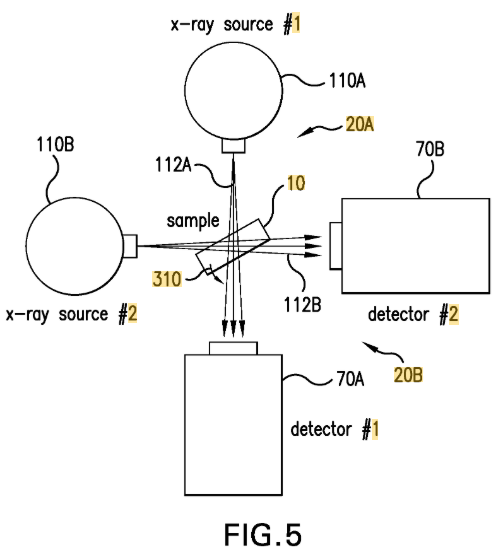
    Zeiss’s patent claims an X-ray imaging system incorporating “projection magnification,” with the key limitation being that the magnification of the projection stage is “between 1 and 10 times.” Sigray petitioned for inter partes review, arguing that a 1998 paper by Jorgensen disclosed all limitations of the claims, including this magnification range.

    The Board acknowledged that Jorgensen disclosed nearly all elements of the claims but found no anticipation because it concluded that the reference did not disclose “enough” beam divergence to result in the required projection magnification. Sigray appealed, arguing that this conclusion was based on an implicit and erroneous narrowing of the claim scope.

    Implicit Claim Construction

    The Federal Circuit found that the Board had implicitly construed the phrase “between 1 and 10 times” in a way that excluded very small—indeed undetectable—levels of magnification. The Board’s repeated focus on whether Jorgensen’s beam diverged “enough” and whether it created a “meaningful” amount of magnification revealed that it was assessing not just whether any magnification was present, but whether the magnification was perceptible or functionally significant.

    As the court explained, “[t]he Board’s use of the word ‘enough’ reflects that it considered a certain level of divergence as outside the claim. Narrowing the claim scope in this way is in fact claim construction.” The court emphasized that claim construction had occurred even though the Board disclaimed doing so—relying on its precedent in Google LLC v. EcoFactor, Inc., 92 F.4th 1049 (Fed. Cir. 2024), to look at the Board’s analysis and outcome rather than its labels.

    Inherent Disclosure and Physical Geometry

    After correcting the Board’s construction, the court held that Jorgensen inherently disclosed the disputed magnification limitation. Charles Gideon Korrell sees that the opinion stresses that under the geometric optics formula (M = (Ls + Ld)/Ls), any system with a diverging X-ray beam and a nonzero sample-to-detector distance (Ld > 0) necessarily results in magnification greater than 1.

    Since perfect collimation—i.e., zero divergence—is physically impossible in real-world systems, the court found that Jorgensen’s setup, which necessarily included some divergence, inherently satisfied the “between 1 and 10 times” magnification requirement. As stated in the opinion: “Here, it is undisputed that Jorgenson’s X-ray beams are not completely parallel and naturally must result in some magnification. That miniscule amount of magnification disclosed by the prior art definitionally achieves a magnification within the claimed range of 1 to 10.”

    Charles Gideon Korrell notes that the court relied heavily on SmithKline Beecham Corp. v. Apotex Corp., 403 F.3d 1331 (Fed. Cir. 2005), in concluding that inherent anticipation does not require recognition or intention by the prior art. Rather, it is sufficient that the claimed feature necessarily results from practicing the prior art reference, regardless of whether it was appreciated at the time.

    Reversal and Remand

    • Claims 1, 3, and 4: Reversed. The court found that these claims were inherently anticipated by Jorgensen.
    • Claims 2, 5, and 6: Vacated and remanded. Sigray had argued these claims were obvious, not anticipated, so the Board must evaluate obviousness in light of the Federal Circuit’s clarified claim scope.

    Takeaway

    Charles Gideon Korrell thinks that this decision illustrates the Federal Circuit’s firm stance on the plain meaning of claim terms. The phrase “between 1 and 10 times” includes any magnification over 1, no matter how small, and the Board erred by requiring a “meaningful” or “detectable” amount. The ruling reinforces the principle from SmithKline that inherent disclosure encompasses all inevitable consequences of prior art, even if imperceptible.

    It also underscores how implicit claim construction—especially when it narrows the scope based on technical judgments about magnitude or significance—can fundamentally alter the outcome of IPR proceedings. Courts and the PTAB alike must be careful not to impose unstated thresholds that conflict with the express language of the claims.

    Finally, Charles Gideon Korrell believes that the opinion serves as a reminder that physical realities of system design (such as the impossibility of true parallel beams) can be decisive in proving inherent anticipation. The court’s analysis—rooted in the inevitability of divergence and magnification in Jorgensen’s geometry—shows that anticipation can rest not only on what’s disclosed, but also on what must unavoidably occur.

    By Charles Gideon Korrell

  • Regents of the University of California v. Broad Institute: Federal Circuit Faults PTAB for Conflating Conception and Reduction to Practice Standards in CRISPR Interference

    Regents of the University of California v. Broad Institute: Federal Circuit Faults PTAB for Conflating Conception and Reduction to Practice Standards in CRISPR Interference

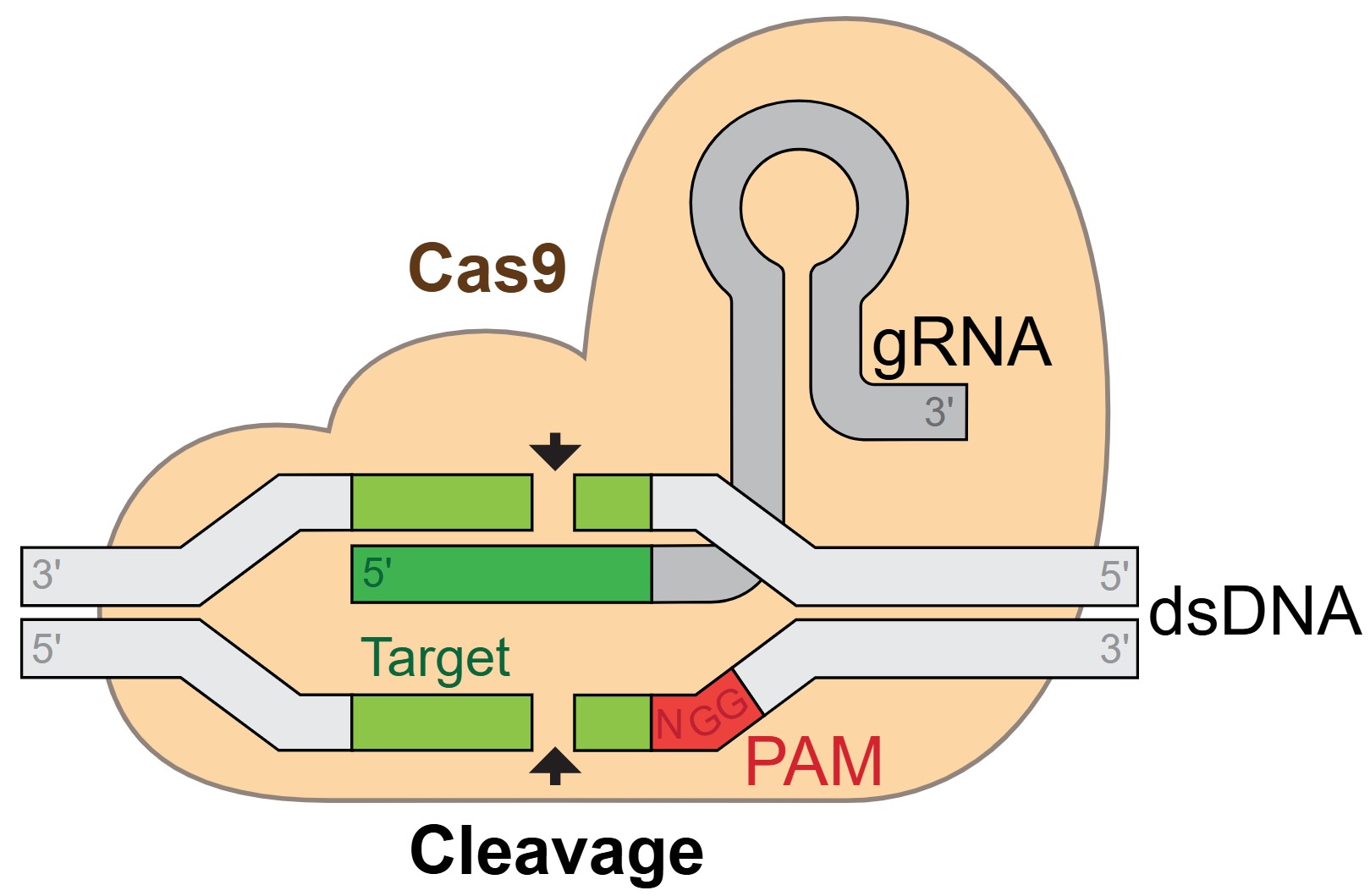
    In a closely watched battle over the origins of one of the most transformative technologies in modern biology, the Federal Circuit has partially reversed a PTAB ruling in Regents of the University of California v. Broad Institute, Inc., No. 22-1653 (Fed. Cir. May 12, 2025). The dispute centers on who first invented the use of CRISPR-Cas9 systems with single-guide RNA (sgRNA) to edit DNA in eukaryotic cells—a breakthrough that has revolutionized gene editing and spurred enormous commercial and scientific interest.

    The Federal Circuit vacated the PTAB’s finding that the Broad Institute had priority over the University of California, University of Vienna, and Emmanuelle Charpentier (collectively, the “Regents”), holding that the Board applied the wrong legal standard for conception. While affirming the PTAB’s determination that the Regents’ provisional applications lacked adequate written description, the Court remanded for further proceedings on conception.


    Background: A Decade-Long Dispute Over CRISPR Dominance

    This interference proceeding is the latest chapter in a long and contentious legal saga between two groups of academic researchers. The Regents’ team, scientists, directed by Emmanuelle Charpentier, Jennifer Doudna, and Martin Jinek, published a seminal 2012 paper demonstrating that a CRISPR-Cas9 system could be programmed using a chimeric sgRNA to cut DNA in a test tube. The Broad team, led by Feng Zhang at MIT and the Broad Institute, was the first to obtain patents for using CRISPR-Cas9 in eukaryotic cells, including human cells, after submitting expedited applications to the USPTO.

    The potential commercial implications of these patents are immense. CRISPR technologies are foundational in developing gene therapies, agricultural tools, and synthetic biology applications. The 2020 Nobel Prize in Chemistry was awarded to Doudna and Charpentier for their discovery, but the patent rights remained under dispute. This case, involving Interference No. 106,115, marks the second interference declared between the parties and focuses specifically on claims involving the use of a single-guide CRISPR-Cas9 system in eukaryotic cells.


    Federal Circuit: PTAB Misapplied the Legal Standard for Conception

    The Federal Circuit found that the PTAB improperly required the Regents’ scientists to know their invention would work in eukaryotic cells in order to establish conception. This, the Court held, conflated the distinct legal standards for conception and reduction to practice.

    Citing Burroughs Wellcome Co. v. Barr Labs, Inc., 40 F.3d 1223 (Fed. Cir. 1994), the panel emphasized that an inventor need only have a “definite and permanent idea” of the complete invention. Certainty of success or experimental proof is not required at the conception stage.

    The Court also held that:

    • The PTAB placed undue weight on contemporaneous expressions of doubt by the Regents’ scientists, without analyzing whether these doubts led to substantive changes in their design;
    • The Board erred by failing to consider whether others—using the Regents’ published design and routine methods—were able to achieve successful editing in eukaryotic cells, which would support the argument that the invention required only ordinary skill to reduce to practice;
    • The PTAB wrongly disregarded the use of “routine techniques” in the field as a key factor in assessing whether conception had been achieved.

    The Court remanded the case for further findings under the proper legal framework, which will allow the Regents to reargue their priority claim based on their early 2012 planning and public disclosures.


    Written Description: Affirmed Due to Unpredictability in the Field

    The Court affirmed the PTAB’s determination that the Regents’ first (P1) and second (P2) provisional applications lacked adequate written description under 35 U.S.C. § 112. The claims at issue involved an sgRNA-guided CRISPR-Cas9 system functioning in a eukaryotic cell.

    Given the acknowledged unpredictability in adapting prokaryotic systems to eukaryotes, the Court agreed with the PTAB that the P1 application did not sufficiently convey possession of an operative embodiment. The Board reasonably found that the application lacked specific instructions or empirical evidence demonstrating success or feasibility, particularly in light of the complexity of the technology.

    Although the Court reaffirmed that a working example is not required, it found the Regents’ disclosure wanting because it failed to bridge the gap between concept and implementation in eukaryotic systems.


    Broad’s Cross-Appeal: Dismissed as Moot

    Broad’s cross-appeal challenged the PTAB’s construction of “guide RNA” as being limited to a single-molecule configuration. However, the Court dismissed the appeal as moot because the Board had denied Broad’s related motions on independent procedural grounds that Broad did not challenge on appeal. Thus, even if the claim construction were reversed, it would not alter the outcome of those rulings.


    Takeaways

    This decision breathes new life into the Regents’ claims of priority in the eukaryotic CRISPR space and signals the Federal Circuit’s continued insistence on correctly distinguishing between conception and reduction to practice. Some key takeaways:

    • The Court reaffirmed that certainty of success is not required for conception. Inventors need only have a definite and permanent idea of the invention that a person of ordinary skill can reduce to practice.
    • In unpredictable arts like biotechnology, written description demands more. Disclosure must demonstrate possession, not just hypothesis, particularly when transitioning between biological systems.
    • Experimental success by third parties using routine methods is relevant to whether an invention was complete at the time of conception.
    • Procedural missteps can be fatal. Broad’s failure to adequately support its claim construction-based motions before the PTAB rendered its cross-appeal ineffectual.

    As this high-stakes dispute continues to unfold, the next round at the PTAB may prove decisive in determining who truly owns the foundational CRISPR patent rights in eukaryotic systems.

    By Charles Gideon Korrell

  • In re Kostic: Broadened Reissue Claims Rejected Due to Statutory Bar

    In re Kostic: Broadened Reissue Claims Rejected Due to Statutory Bar

    In In re Kostic, the Federal Circuit recently reinforced the statutory bar against broadening reissue applications filed beyond the two-year limit, emphasizing that claims must be construed based on their actual language rather than an inventor’s subjective intent.

    Background:
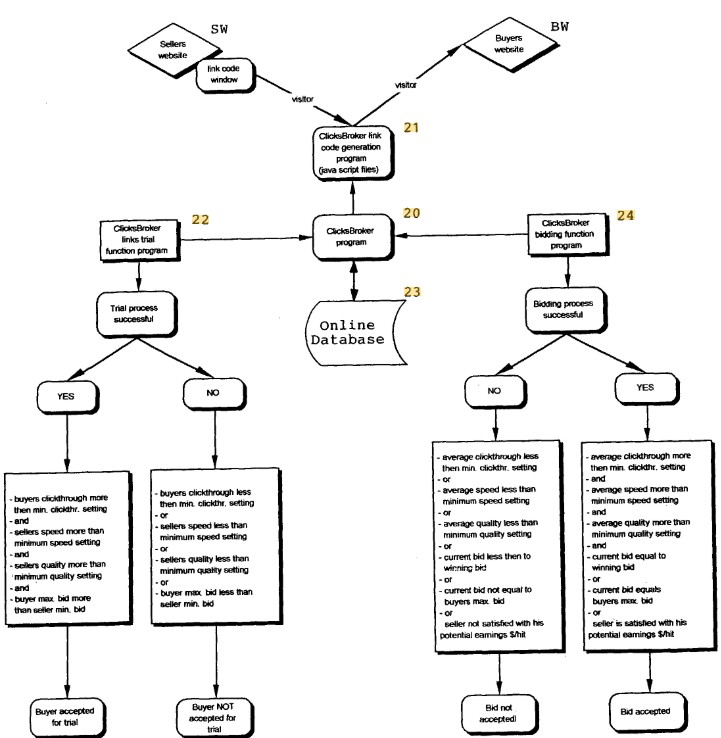
    Appellants Kostic and Vandevelde sought reissue of U.S. Patent No. 8,494,950, covering methods for buying and selling click-through internet traffic via an intermediary website. Original dependent claim 3 allowed a direct traffic exchange without a trial process but explicitly depended on independent claim 1, which required a trial process. Arguing that original claim 3 was invalid under 35 U.S.C. § 112 for inconsistency, appellants attempted to rewrite it in independent form, providing optional pathways either with or without a trial process.

    Federal Circuit Decision:
    The Federal Circuit affirmed the PTAB’s rejection, holding the reissue claim was impermissibly broader than the original. The Court applied the principle established in Medtronic, Inc. v. Guidant Corp. that any claim containing at least one conceivable process not infringing the original claims is broader in scope.

    Key Points of Law:

    • Claim Construction: The Court clarified that the determination of claim scope for broadening reissues under 35 U.S.C. § 251(d) depends strictly on the claims as originally written, rather than on the patentees’ intended scope or subjective understanding. Citing Chef America, Inc. v. Lamb-Weston, Inc. and Superior Fireplace Co. v. Majestic Prods. Co., the Court underscored the importance of objective claim interpretation.
    • Broadened Scope Analysis: Reissue claim 3 introduced optional pathways (with or without a trial process), whereas original claims mandated a trial process. Thus, the reissue claim was broader, capturing methods that would not infringe original claims. Since this broadened claim was sought beyond the two-year statutory limit, it violated 35 U.S.C. § 251(d).

    Implications:
    This decision reiterates the importance of careful drafting and review during patent prosecution. Inventors and practitioners must ensure that dependent claims clearly align with independent claims and avoid ambiguous constructions. Once the two-year period for broadening reissues passes, any attempts to retroactively broaden claims are statutorily barred, emphasizing the critical nature of claim precision at the outset.

    Conclusion:
    In re Kostic serves as a reminder of the rigorous statutory limitations surrounding reissue applications. Patent holders must rely on the explicit language of their claims rather than intentions or interpretations developed post-issuance. Clarity in original claim drafting remains paramount.

    By Charles Gideon Korrell

  • Qualcomm v. Apple: Express Reliance on Applicant Admitted Prior Art Bars IPR Ground

    Qualcomm v. Apple: Express Reliance on Applicant Admitted Prior Art Bars IPR Ground

    In Qualcomm Inc. v. Apple Inc., Nos. 2023-1208, -1209 (Fed. Cir. Apr. 23, 2025), the Federal Circuit reversed the Patent Trial and Appeal Board’s (PTAB) post-remand decision, holding that the Board erred in allowing Apple’s inter partes review (IPR) ground to proceed based on a misinterpretation of 35 U.S.C. § 311(b). The ruling clarifies the limits on how applicant admitted prior art (AAPA) can be used in IPR petitions and underscores that the “basis” of a ground must consist solely of patents or printed publications.

    Background

    Apple filed two IPR petitions challenging claims of Qualcomm’s U.S. Patent No. 8,063,674, which relates to integrated circuits using multiple power supplies. Each petition included two obviousness grounds under § 103. At issue was “Ground 2,” which relied on AAPA (specifically, Figure 1 and text of the ’674 patent) in view of a published patent application (Majcherczak) and, for some claims, the Matthews patent.

    PTAB originally found Apple’s use of AAPA permissible, treating it as prior art under § 311(b). Qualcomm appealed, and in Qualcomm I, the Federal Circuit held that AAPA is not “prior art consisting of patents or printed publications” and remanded to the Board to determine whether AAPA improperly formed the “basis” of the petition.

    On remand, the Board, applying PTO guidance, adopted an “in combination” rule: AAPA used alongside at least one qualifying patent or printed publication does not form the basis of a ground under § 311(b). It upheld Ground 2 and invalidated the challenged claims.

    The Federal Circuit’s Decision

    Judge Reyna, writing for a unanimous panel, reversed. The court held that:

    1. Reviewability Not Barred by § 314(d): Apple argued that Qualcomm’s challenge was a barred appeal of the PTAB’s institution decision. The court disagreed, finding Qualcomm’s arguments targeted the final written decision, not the institution itself. Citing SAS Inst. v. Iancu and Cuozzo, the court emphasized that § 314(d) does not bar judicial review of questions about how the agency conducts an IPR once it is instituted.
    2. PTAB Misinterpreted § 311(b): The court found the “in combination” rule—allowing AAPA to escape classification as a “basis” when paired with other art—contravened the plain meaning of the statute. AAPA is not a qualifying patent or publication and cannot form any part of the basis of an IPR ground. Reliance on AAPA to supply missing claim limitations may be permissible for obviousness analysis, but not if it constitutes part of the “basis” for the challenge.
    3. Express Statements by Petitioner Are Binding: The court found that Apple’s petitions explicitly labeled Ground 2 as based on “Applicants [sic] Admitted Prior Art (AAPA) in view of” other prior art, thereby violating § 311(b). Because petitioners are masters of their petitions, express characterizations like this are binding. The Board erred in disregarding these express admissions and allowing the ground to proceed.

    Takeaways

    • Express language matters. Petitioners must carefully draft IPR petitions and avoid designating AAPA as part of the “basis” under § 311(b), even if combined with qualifying references.
    • AAPA’s role is limited. While it may be used to demonstrate the knowledge of a person of ordinary skill, AAPA cannot form any part of the legal “basis” for an unpatentability ground under § 311(b).
    • Board discretion is not absolute. Even under the America Invents Act’s streamlined IPR process, statutory boundaries like § 311(b) remain enforceable and reviewable.

    This decision is a key reminder for IPR practitioners: precision in petition drafting is essential, and the statutory language must be honored, even when PTAB or PTO guidance suggests more flexible interpretations.

  • Sage Products, LLC v. Stewart: “Sterile” Label in UK Document Found to Anticipate U.S. “Sterilized” Patent Claims

    Sage Products, LLC v. Stewart: “Sterile” Label in UK Document Found to Anticipate U.S. “Sterilized” Patent Claims

    In Sage Products, LLC v. Stewart, No. 2023-1603 (Fed. Cir. Apr. 15, 2025), the Federal Circuit affirmed the Patent Trial and Appeal Board’s (PTAB) finding that all challenged claims of Sage’s U.S. Patent Nos. 10,398,642 and 10,688,067 were unpatentable due to anticipation and obviousness. The ruling centered on whether a UK public assessment report (PAR) describing a product as “sterile” met the U.S. claim limitations requiring a “sterilized” composition. The court held that a skilled artisan would understand the regulatory meaning of “sterile” in the UK to include the concept of “sterilized” under U.S. patent law, thereby rendering the claims anticipated.

    Key Background

    Sage’s patents relate to sterilized chlorhexidine gluconate compositions used in antiseptic applicators. The PTAB instituted IPRs against multiple claims of these patents based on three grounds: (1) anticipation by the ChloraPrep PAR; (2) obviousness over the PAR and general knowledge; and (3) obviousness over the PAR in view of a U.S. publication (Degala).

    At issue was whether the PAR—an official regulatory document issued by the UK’s Medicines and Healthcare Products Regulatory Agency (MHRA)—disclosed a “sterilized” composition within the meaning of the claims.

    Key Prior Art and the “Sterile” vs. “Sterilized” Debate

    The PAR described a ChloraPrep product containing chlorhexidine gluconate and isopropyl alcohol for pre-operative skin disinfection, stating that the product is “sterile” and “sterile unless the seal is broken.” Importantly, the UK’s regulatory standard BS EN 556-1 defines “sterile” as having a sterility assurance level (SAL) of ≤10⁻⁶.

    The Board interpreted “sterilized” as requiring “a suitable sterilization process such that sterility can be validated,” and determined that a skilled artisan would equate the PAR’s “sterile” designation with this definition.

    Sage argued that this was a misreading, contending that even experts at the time misunderstood the ChloraPrep product to be sterile when it was not. Sage’s expert, Dr. Rutala, testified that the state of the art assumed ChloraPrep’s active antiseptic solution was not sterilized. However, the Board credited the testimony of BD’s expert, Dr. Dabbah, who explained that a skilled artisan with at least four years of experience in sterilization would understand that the UK labeling requirements effectively guaranteed terminal sterilization compliant with BS EN 556-1.

    The Federal Circuit’s Analysis

    The court upheld the PTAB’s factual findings under the substantial evidence standard:

    • Regulatory Understanding: The court found it “implausible” that a skilled artisan would be unaware of UK regulatory standards that governed the PAR’s use of the term “sterile.”
    • SAL and Composition Claims: The court affirmed that the PAR, read in light of BS EN 556-1, disclosed a sterilized composition with an SAL in the claimed range (10⁻³ to 10⁻⁹).
    • Dependent Claims: The court also upheld the Board’s findings that limitations such as a “sterilized colorant” were met, based on the overall characterization of the product as “sterile.”
    • Procedural Arguments: The court rejected Sage’s argument that the Board exceeded the scope of the IPR or improperly relied on extrinsic evidence. Expert testimony and references like Degala and Chiang were permissible to help interpret what the PAR disclosed to a skilled artisan.
    • Enablement: The court found no error in the Board’s reliance on other references to confirm that the methods of sterilization disclosed in the PAR were enabled.

    Takeaway

    This case underscores the importance of considering the regulatory context and the knowledge of a person of ordinary skill when interpreting foreign public documents during validity challenges. Here, the Federal Circuit signaled that official regulatory language, such as “sterile,” can carry weight under U.S. patent law when understood to meet the technical requirements of a claim—even when arising from a different jurisdiction.

    Moreover, this opinion reinforces that a patent challenger can use a combination of prior art and expert testimony to establish that a foreign document anticipates U.S. patent claims, especially when such a document reflects regulatory compliance with rigorous standards like BS EN 556-1.

    By Charles Gideon Korrell

  • In re Riggs: Clarification of 102(e) Prior Art:

    In re Riggs: Clarification of 102(e) Prior Art:


    In its opinion, the Federal Circuit vacated and remanded a Patent Trial and Appeal Board (PTAB) decision in In re Riggs, No. 22-1945, clarifying the framework for determining whether a published U.S. patent application can rely on the filing date of a provisional application to qualify as prior art under pre-AIA 35 U.S.C. § 102(e).

    This decision not only refines the application of Dynamic Drinkware and Amgen, but also serves as a warning: it’s not enough for one claim of a reference to be supported by a provisional application. The actual disclosure relied on for anticipation or obviousness must also be supported.

    Background

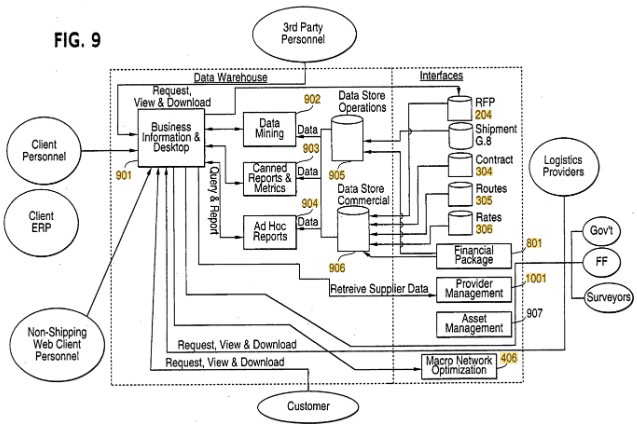
    The applicants in Riggs sought coverage for a modular logistics system integrating databases, purchasing, scheduling, tracking, and financial modules across multiple carriers and shippers. The examiner rejected several claims as anticipated or obvious over a 2002 published application by Lettich (which claimed priority to a 2000 provisional).

    The Board initially sided with the applicants but, following a request for rehearing by the examiner and a long procedural history (including district court and prior Federal Circuit proceedings), reversed course—holding Lettich was valid prior art. The key question became: could Lettich’s publication date be backdated to its provisional filing?

    Issue Preclusion: Board’s Authority to Hear Examiner’s Rehearing Request

    Appellants first challenged whether the PTAB acted “ultra vires” in reconsidering its original decision at the examiner’s request. The Federal Circuit rejected this challenge based on issue preclusion. In an earlier appeal (Odyssey Logistics, 959 F.3d 1104), the same party had litigated the Board’s jurisdiction. Because the issues were fully litigated and decided, the Court held the appellants were estopped from relitigating them.

    Backdating: What It Takes to Backdate a Reference to Its Provisional

    The crux of the appeal centered on whether Lettich’s published application could claim the benefit of its 2000 provisional and thus qualify as § 102(e) prior art.

    The Board had applied a bright-line rule: if at least one claim in the non-provisional is supported by the provisional, then the entire disclosure of the published application gets the benefit of the provisional filing date.

    The Federal Circuit rejected that.

    “To claim priority to the provisional filing date, the portion of the application relied on by the examiner as prior art must be supported by the provisional application.”

    In other words, it’s not enough that one claim is supported—the actual paragraphs or features cited in the prior art rejection must themselves be traceable to the provisional. The Court emphasized that written description support under § 112 must exist both for (1) at least one claim, and (2) the specific disclosures relied on in the rejection.

    Practical Implications

    For patent practitioners and in-house teams:

    • When asserting prior art based on a published U.S. application, verify that the actual subject matter relied on in your rejection has § 112 support in the provisional—not just the claims.
    • Ensure provisional applications contain robust disclosures that can support downstream claim language and specification content.
    • In litigation and IPRs, this decision may offer new ammunition to challenge a reference’s entitlement to its provisional date.

    For business leaders:

    • This ruling reinforces the importance of drafting high-quality provisional applications from the outset. Skimping on detail can weaken your company’s applications or defenses.
    • Companies assessing FTO or IP validity should look carefully at the actual disclosure timeline—not just the priority claim.

    Looking Ahead

    In re Riggs sends a clear message that precision in provisional drafting matters more than ever, and that reliance on PTAB rehearings—once thought settled—can reemerge years later under the right procedural framework.

    This area of law remains dynamic, particularly for companies working in logistics, SaaS, and modular system design, where provisional filings are common and often relied upon for competitive edge.

    By Charles Gideon Korrell